
Last updated November 4, 2026
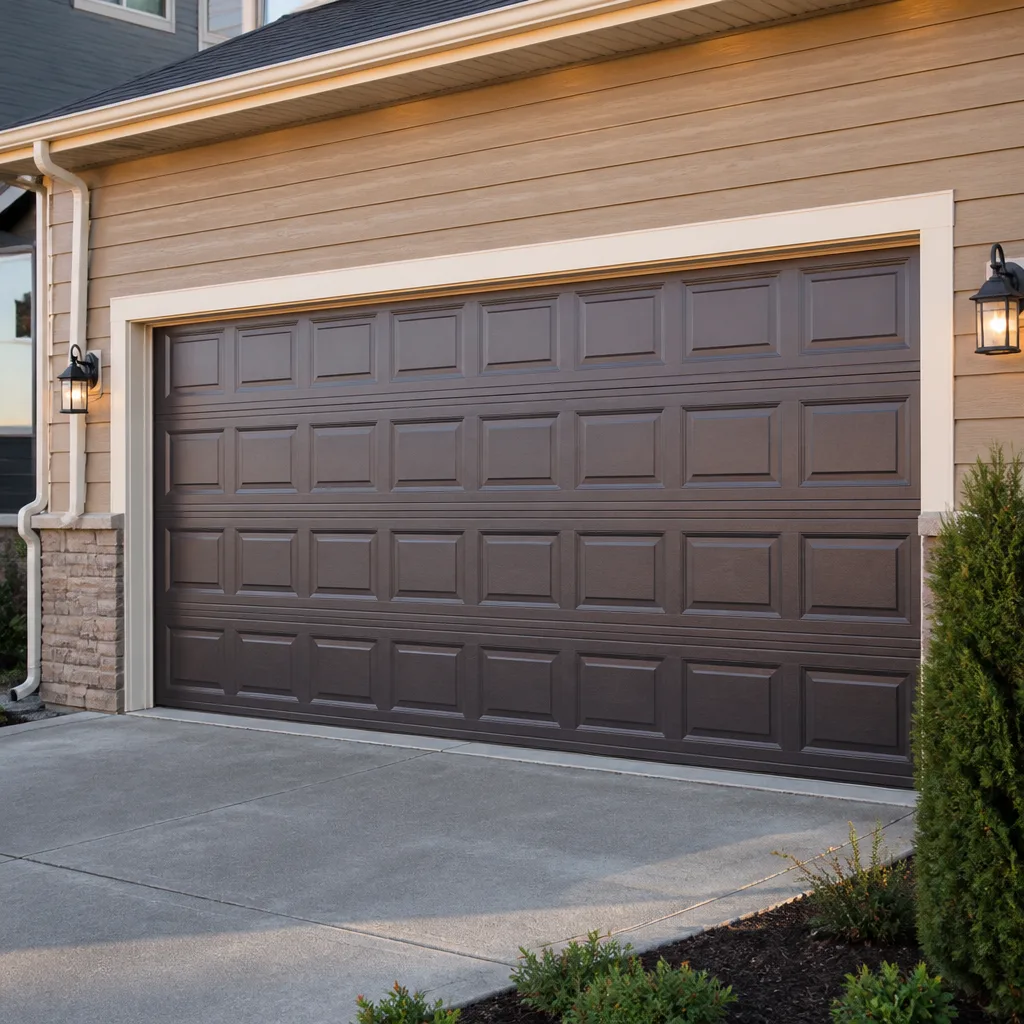 Raised-panel steel
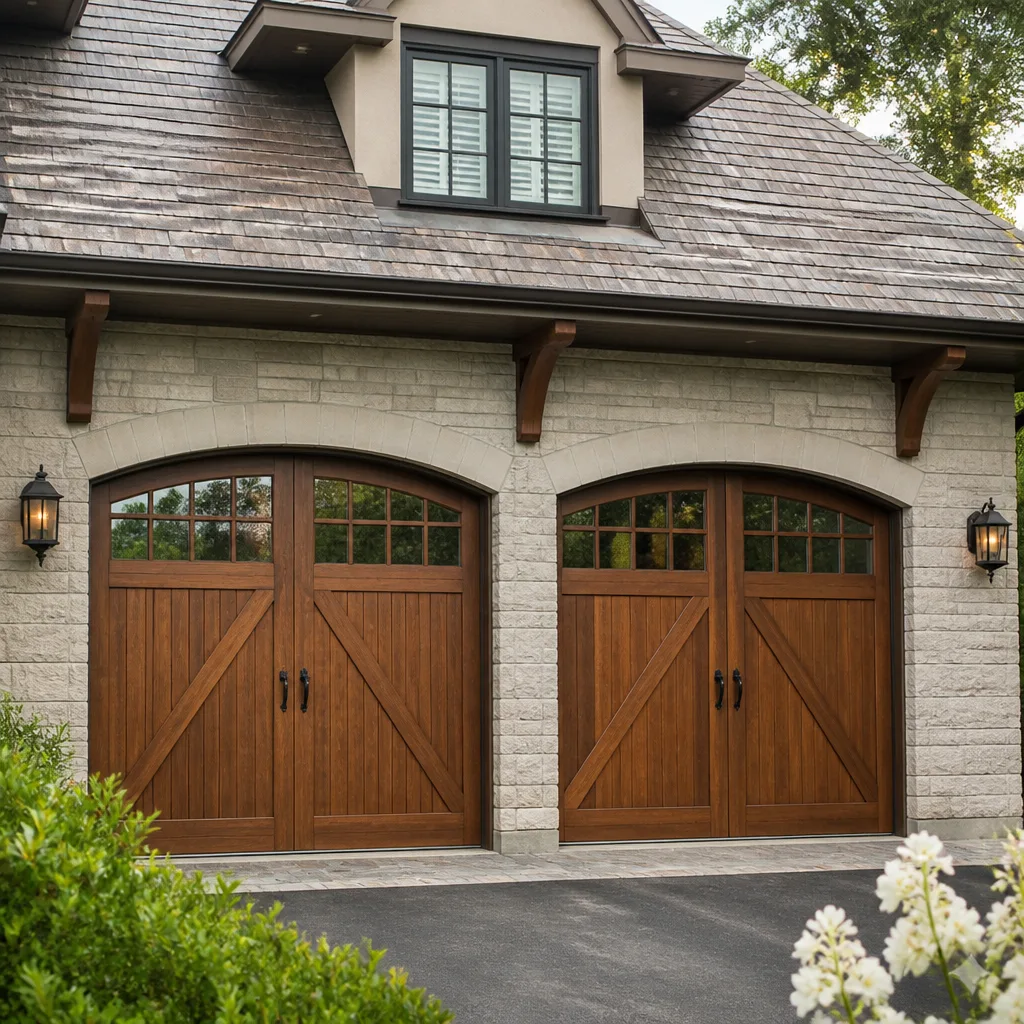 Carriage house
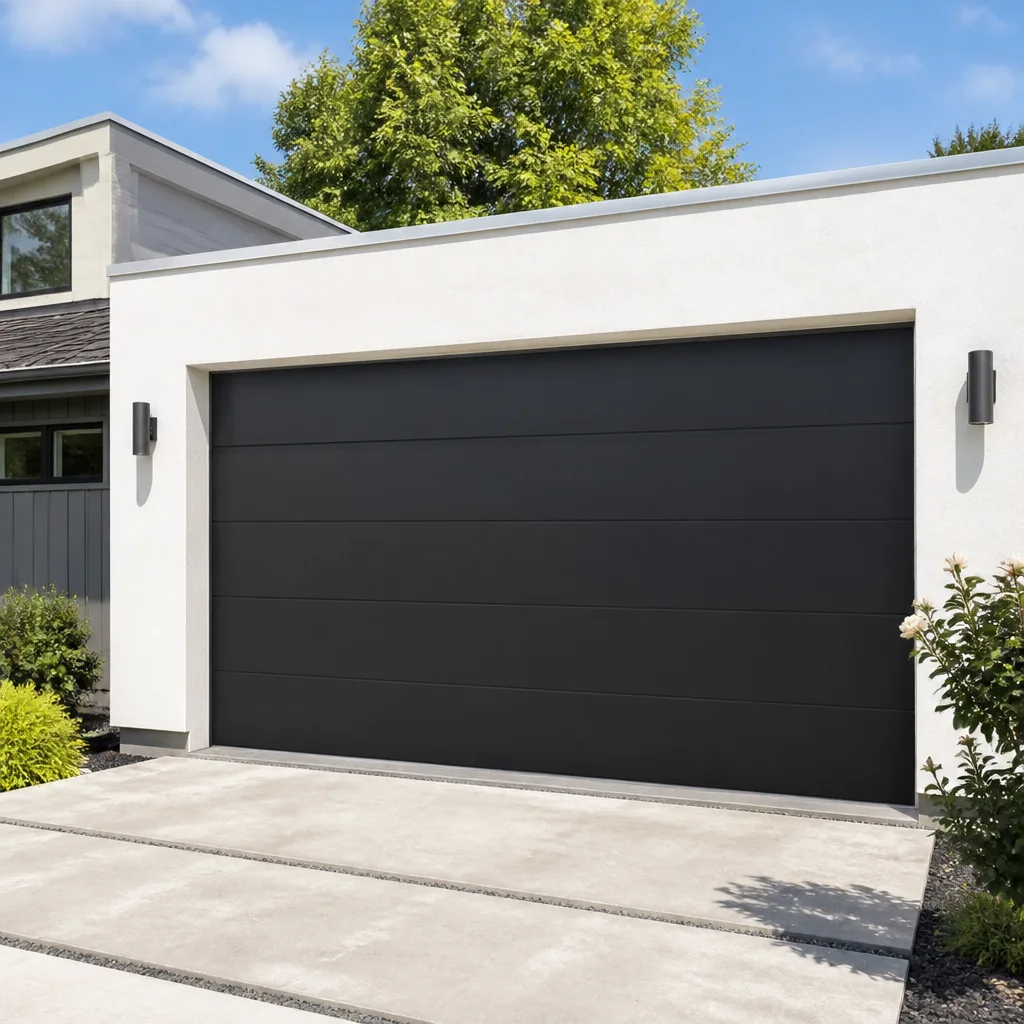 Modern flush
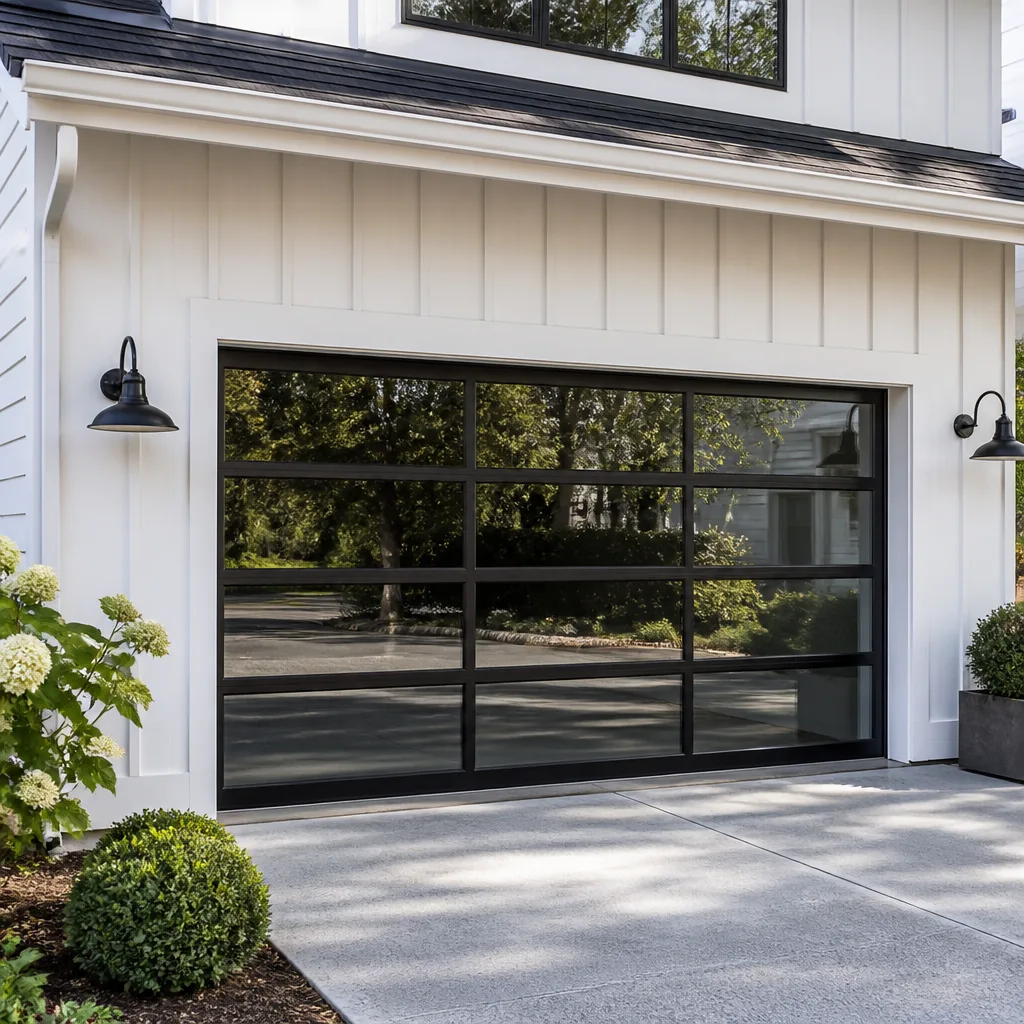 Full-view glass
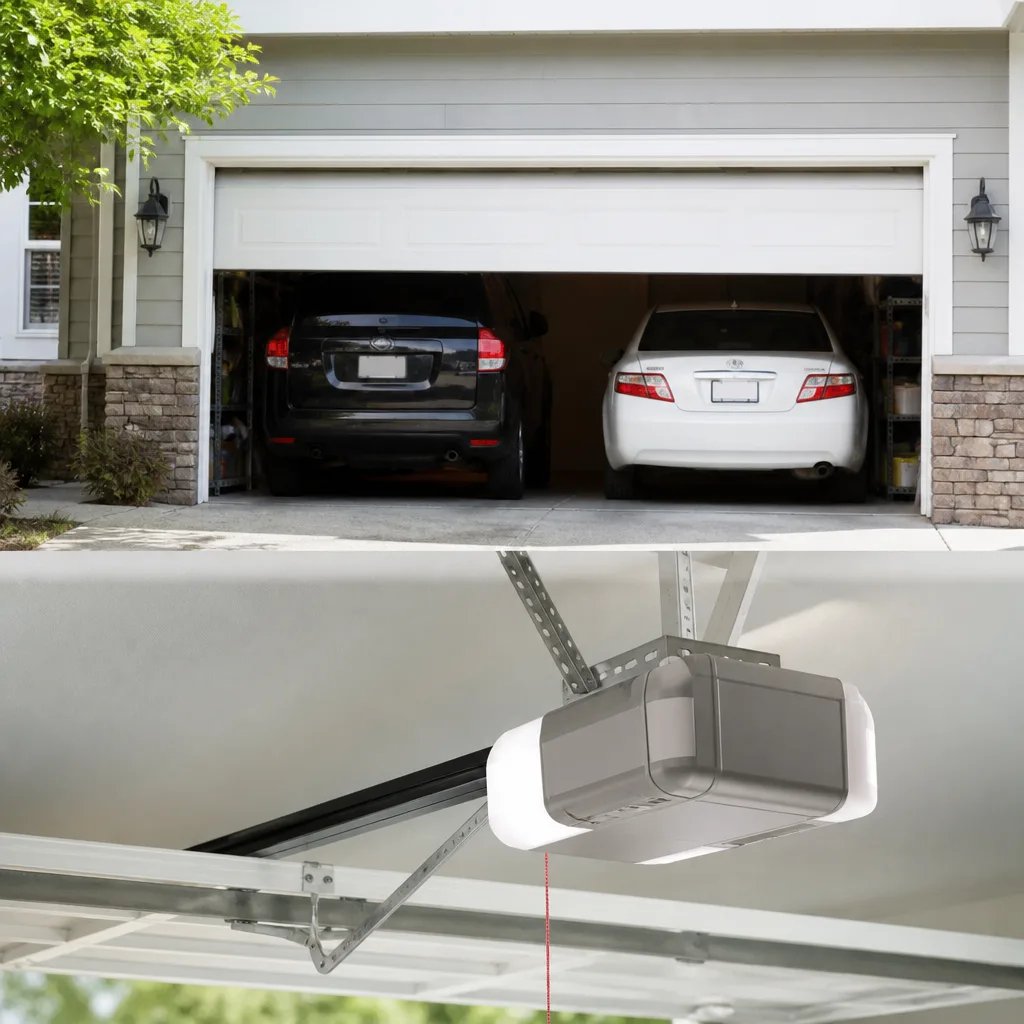 LiftMaster openers
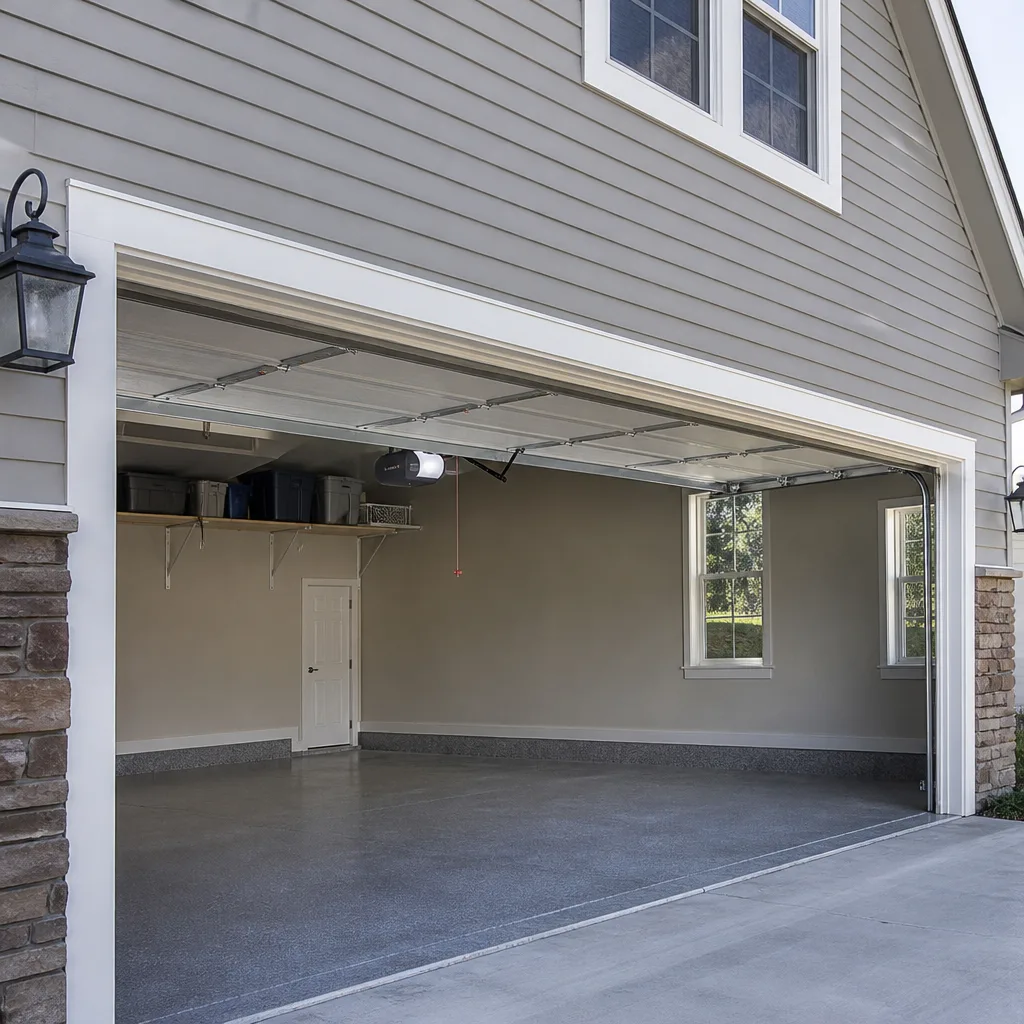 Chamberlain openers
Full 25-point door and opener safety check with every visit - springs, cables, rollers, tracks, and your LiftMaster or Chamberlain opener included
You get a price before we start. It does not change when the truck arrives.
Get your free estimateGarage Door Warning Signs: A Chino Hills Homeowner’s Reference Guide
Most people treat a garage door like a light switch: it should work every time, and when it doesn’t, something is “broken.” But a garage door is actually closer to a car. It sends signals for weeks or months before a breakdown. A hesitation here, a new sound there, a slight sag on one side. In Chino Hills, where summer heat pushes into the triple digits and UV exposure is relentless, these signals show up in patterns we see over and over. If you learn to read them now, you’ll spend a few hundred dollars on a targeted repair instead of a few thousand on an emergency replacement. This guide maps the symptoms, explains the mechanics behind them, and gives you a clear timeline for when to act.
Quick Answer
The most common garage door warning signs fall into four categories: sounds that shouldn’t be there (grinding, popping, squealing), behavior changes (hesitation, uneven movement, reversing unexpectedly), visual clues (frayed cables, cracked panels, rust on springs), and opener signals (lights blinking, motor running longer than usual). In Chino Hills specifically, heat-expanded rollers and UV-damaged remotes are frequent culprits. A door that moves unevenly or has visible cable damage is a safety issue: stop using it and call a professional. A door that’s just noisy should be scheduled within a few weeks.
Table of Contents
- Symptom-to-Cause Reference Table
- What Different Garage Door Sounds Actually Mean
- Behavior Changes That Predict a Breakdown
- Visual Warning Signs: What to Look For
- Chino Hills Climate Stress: Heat, Sun, and Dust
- The Urgency Framework: Monitor, Schedule, or Stop
- Why Intermittent Problems Are Often More Urgent Than Consistent Ones
- Cosmetic vs. Safety-Critical: How to Tell the Difference
- Opener-Specific Warning Signs
- Common Mistakes to Avoid
- When to Call a Professional
- Frequently Asked Questions
Symptom-to-Cause Reference Table
Before we dig into each category, here’s the quick-reference map we use in our own heads when diagnosing a door. This is the pattern-recognition shortcut that turns “something’s wrong” into “here’s the likely fix.”
| Symptom | Most Probable Cause | Urgency |
|---|---|---|
| Door hesitates 2-3 seconds before moving | Worn opener gear, failing capacitor, or misaligned safety sensors | Schedule within 30 days |
| Loud pop or bang, then door won’t lift | Broken torsion spring | Stop use immediately |
| Grinding or metallic scraping | Worn rollers or bent track | Schedule within 2 weeks |
| Squealing or high-pitched whine | Dry bearings, worn rollers, or opener belt tension | Monitor; schedule if persistent |
| Door reverses before hitting the floor | Misaligned safety sensors or excessive down-force setting | Schedule within 2 weeks |
| Door sags to one side when open | Worn extension or torsion spring (uneven tension) | Stop use immediately |
| Visible fraying on cables | Worn cable strands, often from a failing spring | Stop use immediately |
| Opener motor runs but door doesn’t move | Stripped gear, broken drive coupler, or disengaged emergency release | Schedule within 30 days |
| Door bounces or shudders when closing | Loose track hardware or damaged panel hinge | Schedule within 2 weeks |
What Different Garage Door Sounds Actually Mean
Garage doors make noise. That’s normal. But the specific character of the noise tells you a lot about what’s failing. Here’s what we listen for when a Chino Hills homeowner calls us about a “weird sound.”
Grinding or metallic scraping
This almost always points to rollers. Garage door rollers have ball bearings inside, and over time the bearings wear flat or the roller shaft bends from repeated heat expansion and contraction. A grinding noise means metal is meeting metal instead of rolling smoothly. Left alone, a failed roller can jam in the track, which puts uneven strain on the door panel and sometimes bends the track itself.
Loud pop or bang
A sharp pop followed by a door that won’t lift is the signature of a broken torsion spring. Springs counterbalance the weight of the door, and when one snaps, the door becomes suddenly heavy. This is not a DIY repair. The stored tension in a torsion spring is dangerous, and the repair requires specific winding bars and a methodical process. If you hear a pop and the door won’t move, call a professional who works with springs every day. Garage door repair for broken springs is routine work for a specialist, but it’s not something to attempt with a pair of pliers.
Squealing or high-pitched whine
Squealing usually comes from dry bearing surfaces. It’s often more annoying than urgent, but it’s worth tracking. If the sound gets worse over a few weeks or changes pitch, a roller or hinge is degrading. On opener systems, a whine from the motor head can mean the drive gear is wearing, especially on older Chain-drive models.
Rumbling or vibration
A deep rumble that shakes the track usually means the door is out of balance. One spring may have weakened more than the other, or a cable may be slightly loose. An unbalanced door puts strain on the opener motor, which is designed to move a balanced door, not lift dead weight. This shortens opener life significantly.
Behavior Changes That Predict a Breakdown
Sounds are one thing. Behavior is another. These are the signs we hear about most often: the door still moves, but it doesn’t move the same way it used to.
Hesitation before lifting
A door that pauses two or three seconds before the motor kicks in is telling you something specific. In our experience, the three most common causes are a failing start capacitor in the opener, a worn drive gear, or a door that’s slightly out of balance and resisting the opener’s initial pull. The capacitor is the cheapest fix and a common one in Chino Hills because capacitors are sensitive to sustained heat. A door that hesitates will get worse, not better.
Uneven movement or sagging
If one side of the door lifts faster than the other, or if the door sits visibly lower on one side when partway open, the spring tension is no longer equal. This can happen when one spring weakens or when a cable stretches. The danger here is that an uneven door can derail, and a derailed door is a serious safety hazard. Stop using the door until a technician can inspect it.
Reversing before it reaches the floor
A door that starts to close and then reverses as if it hit something usually means the safety sensors near the floor are misaligned. Dust, vibration, or a bumped sensor bracket can knock them out of alignment. Sometimes the issue is the down-force limit setting on the opener, which is set too high. Either way, the fix is usually a service call, not a new door.
Lurching or stopping mid-travel
A door that moves in jerks and starts, or stops halfway and sits there, often has a track obstruction or a roller binding at a specific point. The consistent stopping point is your clue: if it always stops in the same spot, the problem is at that spot. Look for a bent section of track or a roller that’s frozen.
Visual Warning Signs: What to Look For
You don’t need to be a technician to spot visual problems. A monthly visual check takes 30 seconds and catches things before they become emergencies.
- Check the cables. The cables on each side of the door should be smooth and taut. If you see frayed strands, kinks, or rust, the cable is failing. A cable that snaps while the door is in motion can send the door crashing down. This is a stop-use-now situation.
- Look at the springs. Torsion springs sit on a bar above the door. Look for separation: a broken spring has a visible gap in the coil. If the spring looks rusty or you see a gap, call a professional. Extension springs along the sides should have containment cables running through them; if those are missing, the spring can become a projectile if it breaks.
- Inspect the rollers. Rollers sit inside the track on each side. Nylon rollers degrade slowly, and you’ll usually see cracking before they fail completely. Metal rollers rust and then seize. Either one casts uneven force on the door.
- Check the panels. Look for cracks, dents, or separation at the panel joints. Panel damage won’t usually stop a door immediately, but it weakens the structure over time, and in Chino Hills sun damage accelerates it.
- Watch the track alignment. The track should be straight and evenly spaced from the door. A track that’s pulled away from the wall or pinched in one spot will cause binding.
Chino Hills Climate Stress: Heat, Sun, and Dust
Chino Hills has a particular climate profile that shapes how garage doors age here. If you’ve lived here through a few summers, you know the pattern: long stretches of 90°F-plus days, intense direct sun, low humidity, and fine dust that works its way into everything. We see three warning signs tied directly to this climate more often than anything else.
UV-cracked panels
The sun in Chino Hills is harsh on door materials. Steel panels fade, wood panels crack, and fiberglass becomes brittle. A door that faces south or west gets the worst of it. Cracks start small and spread along the panel edges. The practical issue is that a cracked panel eventually lets heat and dust into the garage, and a badly cracked panel can split further from the vibration of normal use.
Heat-expanded rollers
Rollers expand in sustained heat. When they cool at night, they contract. Repeated expansion and contraction degrades the bearing surfaces faster than mechanical wear alone. The result is rollers that start grinding and seizing earlier than you’d expect. We’ve replaced rollers in Chino Hills that looked ten years old after five, purely from thermal cycling.
Sun-degraded remote controls
This is a small one but surprisingly common. Remotes left on the visor or dash of a car parked in the Chino Hills sun overheat and the plastic casings warp. The buttons get soft, then stop responding. If your remote works in the morning but not after a hot afternoon, the sun has done its work. A replacement remote is a quick fix.
Fine dust in the tracks
The Chino Hills area does not get the salt air or marine corrosion of a coastal city, but it does get dust. Fine dust settles in track channels and mixes with the grease on rollers, creating a paste that hardens and binds. A track that’s never cleaned will start to feel sticky. Cleaning the track and wiping down rollers is a maintenance step that extends their life noticeably here.
The Urgency Framework: Monitor, Schedule, or Stop
Not every warning sign needs an immediate service call. Some things genuinely are cosmetic, and spending money to fix them is optional. The trick is knowing which category a symptom falls into. Here’s the decision framework we use, and the one we recommend to homeowners in Chino Hills.
Monitor: watch and wait
- Mild squealing that comes and goes
- Remote range slowly decreasing
- Small cosmetic cracks in a panel
- Minor surface rust on hardware
These are signs to track, not act on immediately. Take a photo or a short video every couple of weeks. If the symptom stays the same, keep monitoring. If it changes, move it up the list.
Schedule: call within 30 days
- Door hesitates before lifting
- Grinding noise that’s consistent
- Door reverses before it closes
- Opener motor runs longer than it used to
- Visible wear on rollers
These are mechanical failures in progress. They won’t fix themselves, and they’ll cost more later than they do now. Scheduling a service call within a month catches the issue while it’s still a small repair.
Stop use immediately
- Frayed or kinked cables
- Broken spring (visible gap or loud pop already happened)
- Door sagging to one side when open
- Door derailed from the track
- Any visible crack or break in a hinge or bracket
These are safety failures. A door in this condition can fall. Keep people and cars away from the door, disconnect the opener from power if you can do so safely, and call a professional. For Chino Hills homeowners, garage door opener repair and cable work should come from a technician who sees this exact failure pattern regularly.
Why Intermittent Problems Are Often More Urgent Than Consistent Ones
This is the counterintuitive part, and it’s the thing most homeowners get wrong. A door that consistently makes a grinding noise is predictable. You know the roller is worn, you know the timeline, and you can schedule around it. A door that “usually works fine” but sometimes doesn’t is a bigger problem, not a smaller one.
Intermittent failure means the component is on the edge of its operating range. It works when conditions are cool, or when the door is balanced just right, or when the opener has enough power on the first cycle of the day. It fails when heat expands a part, or when dust shifts in the track, or when the voltage sags slightly. The system is compensating for a failing part, and it’s compensating less and less effectively.
Think of it like a check-engine light that flickers. The flickering light doesn’t mean the problem is mild. It means the sensor is right at the failure threshold. The same applies to a garage door that works 9 times out of 10. That tenth time might be the time the door refuses to open with your car inside, and you’re now late for work and calling for emergency service. In Chino Hills, the hottest days are when intermittent heat-related failures become consistent ones.
The “usually works” test
- How often does the symptom appear? If it’s more than once a week, the part is degrading quickly.
- Does it correlate with heat, cold, or humidity? In Chino Hills, heat correlation points to rollers, capacitors, and remote electronics.
- Is the failure getting closer together? If the gaps between failures are shrinking, schedule a service call now.
If a door is not working as designed, the responsible move is to diagnose it, not to hope the window of functionality widens. The window never widens on its own.
Cosmetic vs. Safety-Critical: How to Tell the Difference
Some things on a garage door look alarming but are harmless. Other things look small and are dangerous. Here’s how to sort one from the other.
Cosmetic: mostly about appearance
- Faded or chalky paint on a steel door
- Small dents that don’t affect panel structure
- Surface rust around the bottom seal
- Peeling weatherstrip
None of these will stop the door or make it unsafe. They’re about curb appeal and, in some cases, insulation. You can ignore them or address them on your own timeline.
Safety-critical: about structural integrity and tension
- Fraying or kinked lifting cables
- Visible damage to a spring
- Cracks through a panel joint
- Bent or damaged track
- Loose or missing hinge bolts
- A door that visibly shifts or twists when moving
The fundamental principle is this: anything that holds weight, guides movement, or stores tension is safety-critical. Anything that only affects appearance is cosmetic. When you’re not sure, a professional inspection costs you a visit, while guessing wrong costs you a door, a car, or worse.
Opener-Specific Warning Signs
The opener is the motorized brain of the system, and it’s also the part most homeowners interact with daily. Openers from LiftMaster, Chamberlain, Genie, and Craftsman are common in Chino Hills homes, and each has its own failure patterns. Here’s what to watch for on the opener itself, separate from the door.
Lights flashing when the opener won’t run
Flashing lights on a LiftMaster or Chamberlain opener usually indicate a sensor problem. The opener thinks something is in the path of the door and refuses to operate. The fix is often as simple as realigning the sensors or clearing debris from the sensor lenses.
Motor runs but the door doesn’t move
On a Genie or Craftsman opener, a motor that spins without moving the door usually means a stripped gear or a disconnected drive. The emergency release cord may have been pulled, or the drive gear has worn smooth. This is a repairable condition, and it typically doesn’t require a new door, though some older openers are worth replacing rather than repairing.
Opener works from the wall panel but not the remote
This is a good news scenario: the opener’s motor and drive are fine. The issue is in the remote, the remote’s batteries, or the opener’s receiver. Remotes left in sun-baked cars in Chino Hills die earlier than you’d expect. A replacement remote for your specific brand gets you back to normal in minutes.
Opener reverses or stops more frequently in the afternoon
Heat impacts openers too. A motor that overheats may trip its thermal protection and refuse to run until it cools down. If your opener gives up in the late afternoon after a hot Chino Hills day but works fine in the morning, it’s being pushed beyond its thermal limits. That’s a sign the motor windings are degrading.
We service opener repairs as a distinct specialty, not an add-on to door work. When a homeowner’s opener is acting up, we diagnose it as its own system. Some openers are worth repairing, and some are better replaced. We’ll tell you which one actually makes sense for your setup, whether that’s a Chamberlain or a LiftMaster, a Genie or a Craftsman.
Common Mistakes to Avoid
These are the errors we see Chino Hills homeowners make most often. Some are understandable, some are expensive, and all of them are avoidable with the right information.
- Ignoring a new sound because “it still works.” A grinding roller doesn’t stop the door until it does, and by then it’s usually taken the track with it. A sound is an early warning, not a random event.
- Lubricating the wrong parts. Spraying lubricant into the track or onto the rollers can attract dust and make binding worse, not better. Garage door lubrication is selective: springs, hinges, and bearing surfaces, not tracks.
- Pulling the emergency release while the door is open. If the springs are weak, a door released while open can drop suddenly. Always disconnect with the door in the closed position.
- Replacing the opener when the door is the problem. An opener motor working against an unbalanced door will fail prematurely, and replacing the opener without balancing the door sets up the next failure. Diagnose the door first, then the opener.
- Waiting until a Saturday to address a weekday symptom. If the door shows a warning sign on a Wednesday, call then. We answer 24/7 and dispatch fast from 7am to 7pm, Sunday through Friday. Waiting until the door fully fails turns a scheduled repair into an urgent one.
- Assuming a new door is needed when a repair will do. We hear this often: a homeowner assumes a loud door means replacement. Many times the door itself is solid and a roller, cable, or spring repair brings it back. We’ll tell you honestly which direction makes sense.
When to Call a Professional
You should call a professional when the door shows any sign from the “schedule” or “stop” categories above, or when you’re not sure which category a symptom belongs in. The assessment itself is the point: you’re not committing to a repair by asking. You’re getting an accurate picture of the problem.
Call when a cable looks frayed, when a spring looks separated or makes a popping sound, when the door sags to one side, when the opener runs without moving the door, or when the door reverses unpredictably. These are all conditions with real safety stakes. The tension in a garage door spring is concentrated energy, and it deserves respect.
Pinecrest Garage Door offers free estimates in Chino Hills. We work with the brands already installed in your home, whatever they are, and we repair from a broken spring to a full new door. Call (877) 376-0803 for a free estimate. We answer 24/7. Fast dispatch from 7am to 7pm, Sunday through Friday.
Frequently Asked Questions
Garage door spring replacement in Chino Hills typically runs from $180 to $340 per spring, and a matched pair is almost always recommended because both springs wear at the same rate, so replacing one leaves the other near failure. Call (877) 376-0803 for an exact quote. Estimates are free.
Yes, a garage door opener that stopped working is usually repairable. The fault is typically in the drive gear, the start capacitor, or the safety sensor circuit, and our technicians service openers from LiftMaster, Chamberlain, Genie, and Craftsman. Call (877) 376-0803 and describe the symptom, and we’ll help you decide whether a repair call makes sense.
The price we quote is the price you agree to before any work begins. We do the diagnosis, we explain the options, and we put the cost in writing. We don’t start work until you’ve approved the written estimate.
We carry the most common repair parts in our service vehicles: springs, cables, rollers, hinges, and opener components. When a repair needs a less common part, we source it and schedule the follow-up so you’re never left with a non-functioning door longer than necessary.
In Chino Hills, the most common problem we see is heat-related wear: rollers that have degraded from repeated thermal cycling and openers that have been stressed by lifting an unbalanced door. The climate here accelerates component wear, and many calls we receive start as a grinding noise that’s been going on for weeks.
A professional inspection once a year is a reasonable interval for most Chino Hills homes. The inspection checks spring tension, cable condition, roller wear, track alignment, and opener function, and it catches problems before they become failures. A door that’s already showing symptoms should be inspected sooner than that.
The Bottom Line
Garage doors don’t fail suddenly. They fail slowly, and they tell you about it along the way. The hesitation, the grinding noise, the sagging panel, the remote that only works in the morning: these are not quirks. They’re diagnostic signals. In Chino Hills, heat and sun turn these signals into failures faster than they would in a milder climate, which makes it even more important to act on them promptly. Learn the patterns, check the door monthly, and when you see a sign that’s in the “schedule” or “stop” category, make the call. From a broken spring to a full new door, the repair is almost always cheaper and simpler than the collapse. Pinecrest Garage Door has served Chino Hills since 2018.
Written by the team at Pinecrest Garage Door, serving Chino Hills since 2018.
Styles & brands we work with
- Raised-panel steel
- Carriage house
- Modern flush
- Full-view glass
- LiftMaster openers
- Chamberlain openers
See the difference
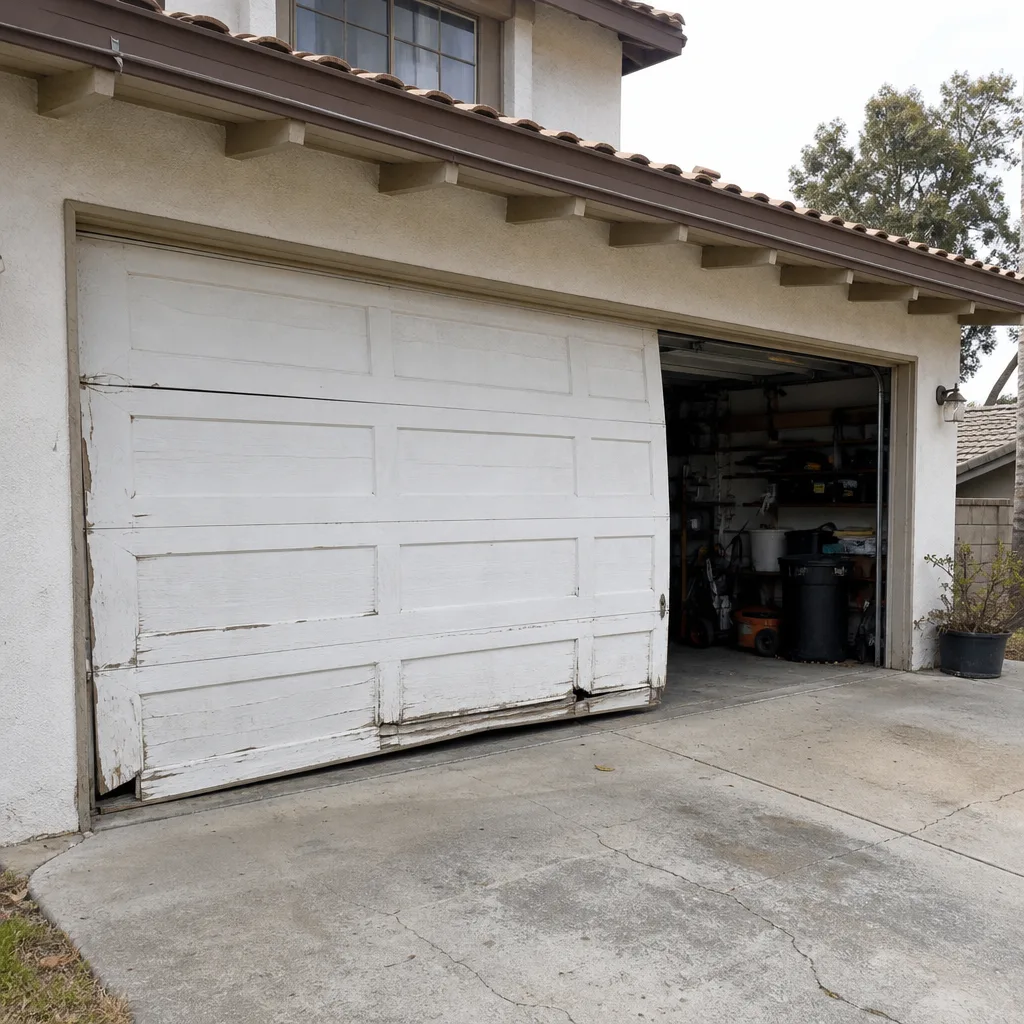 Before
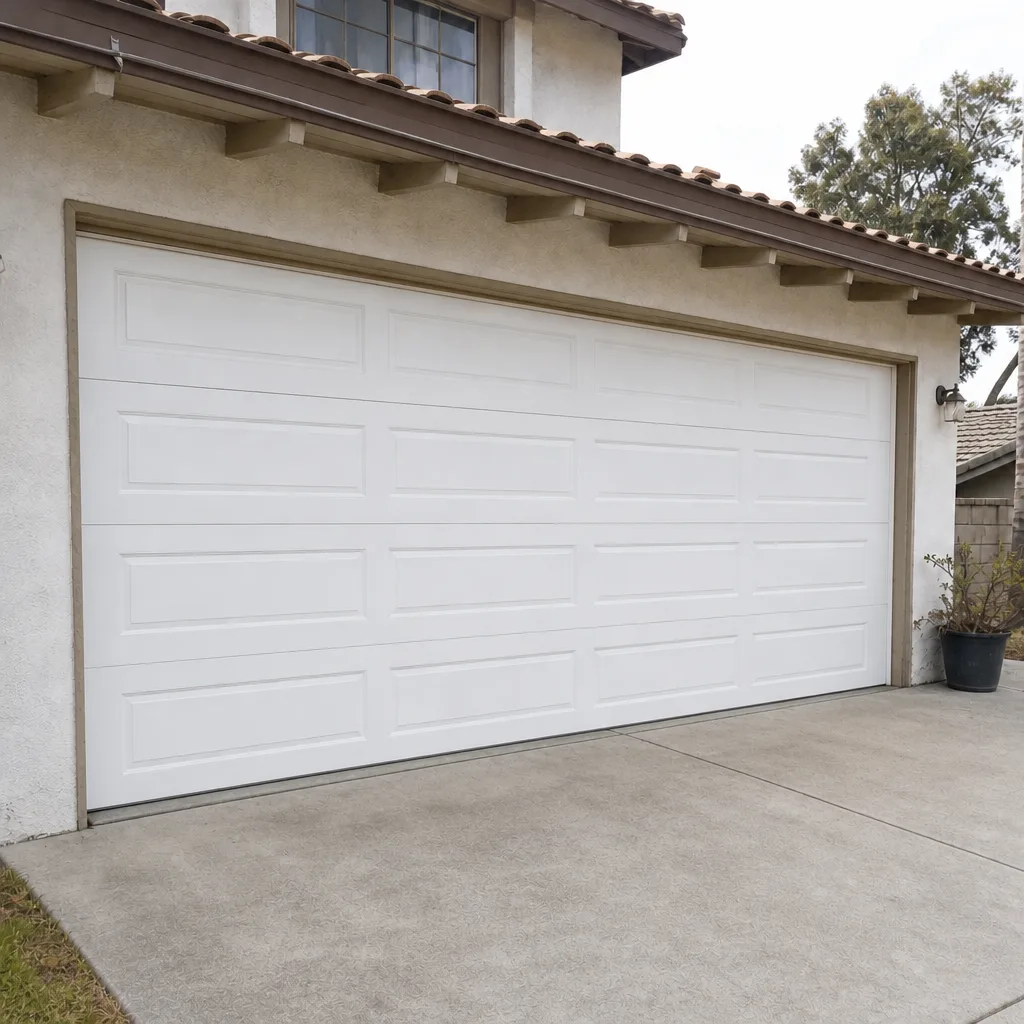 After
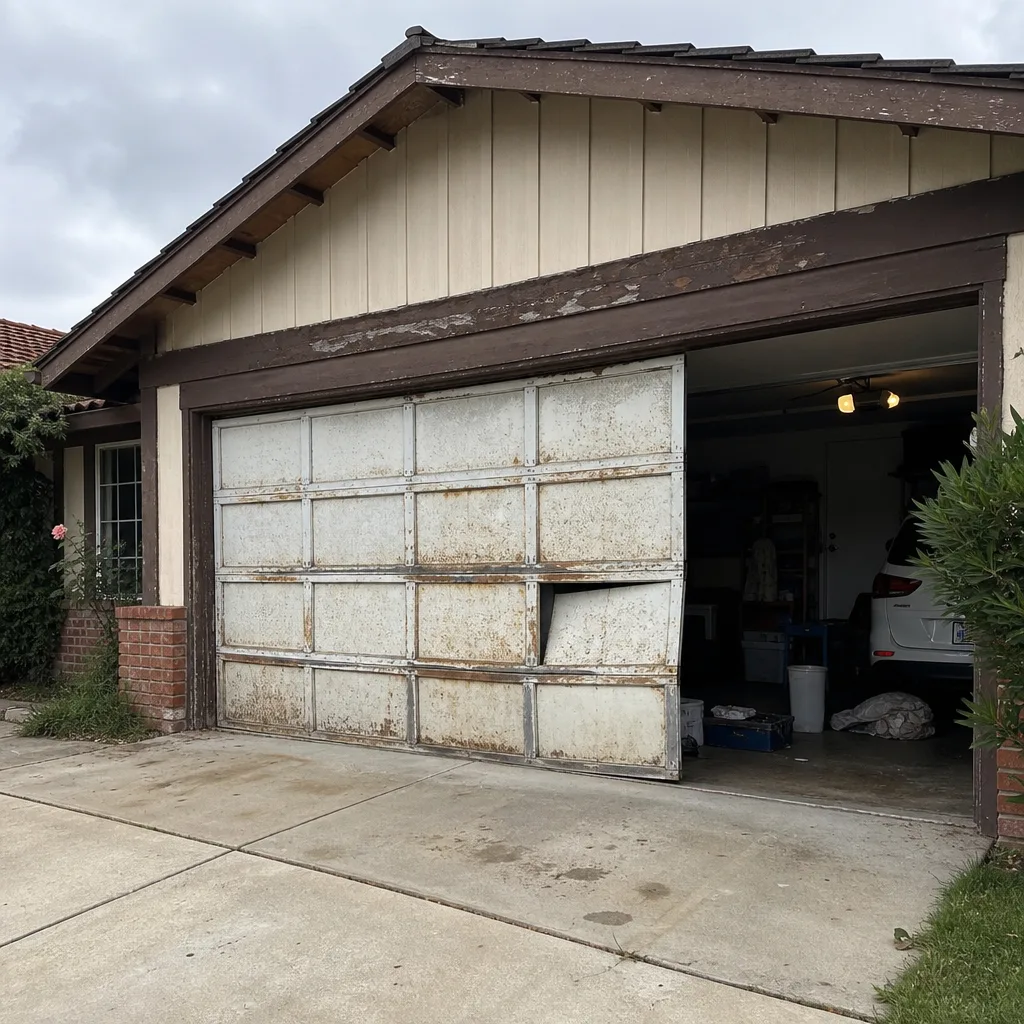 Before
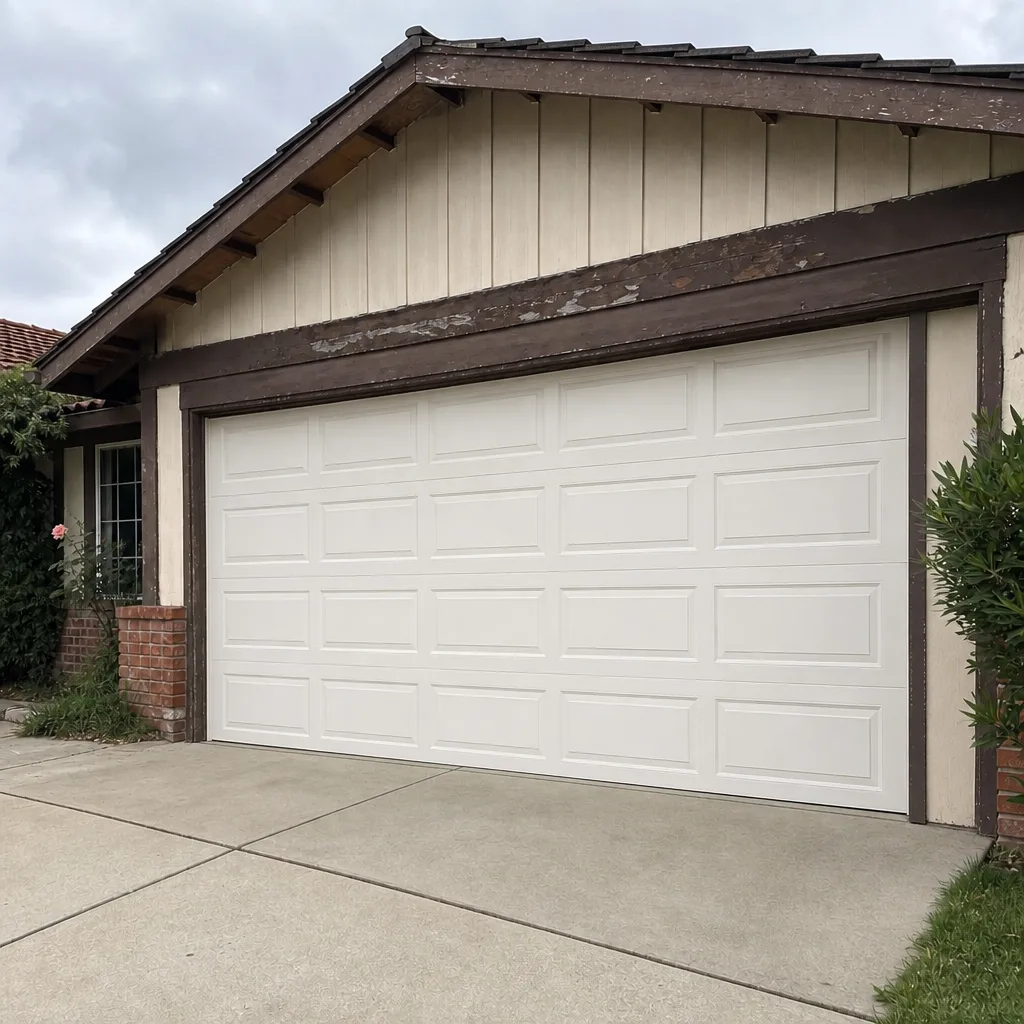 After
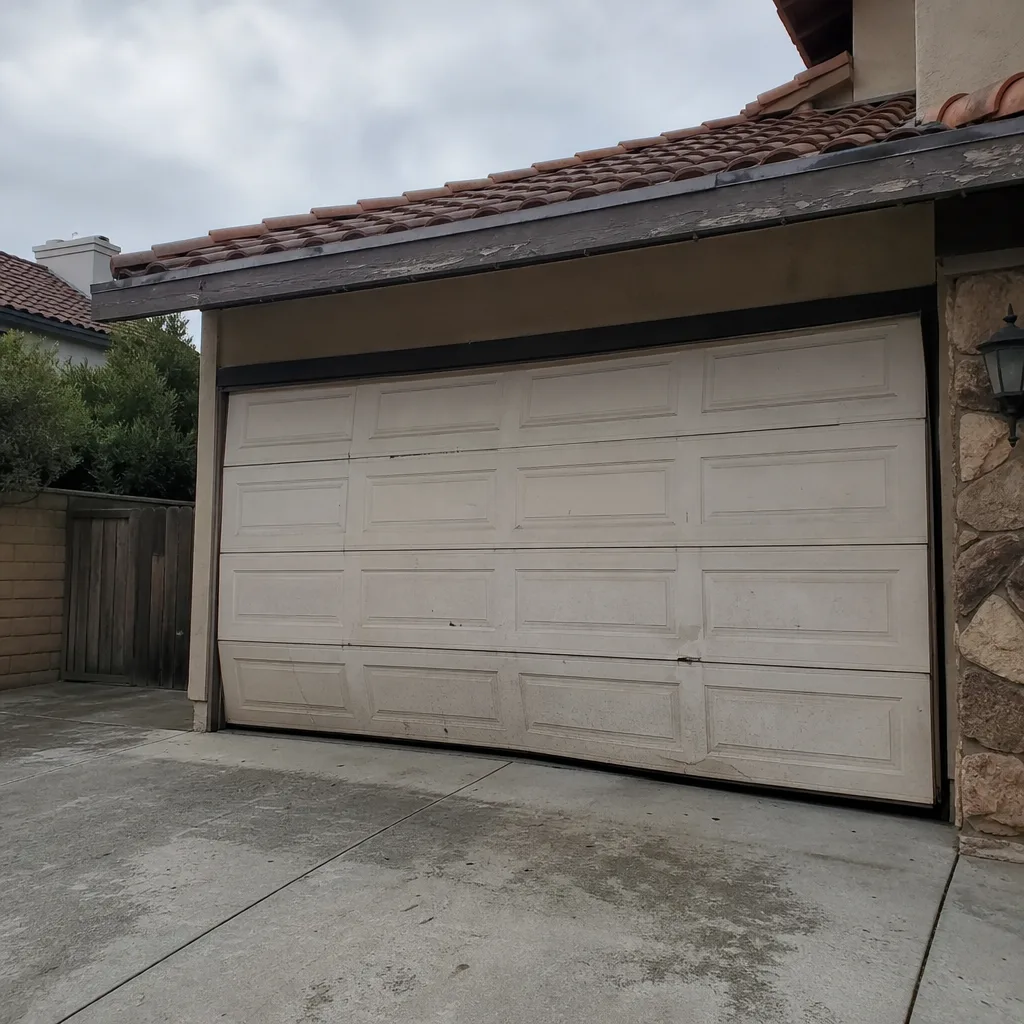 Before
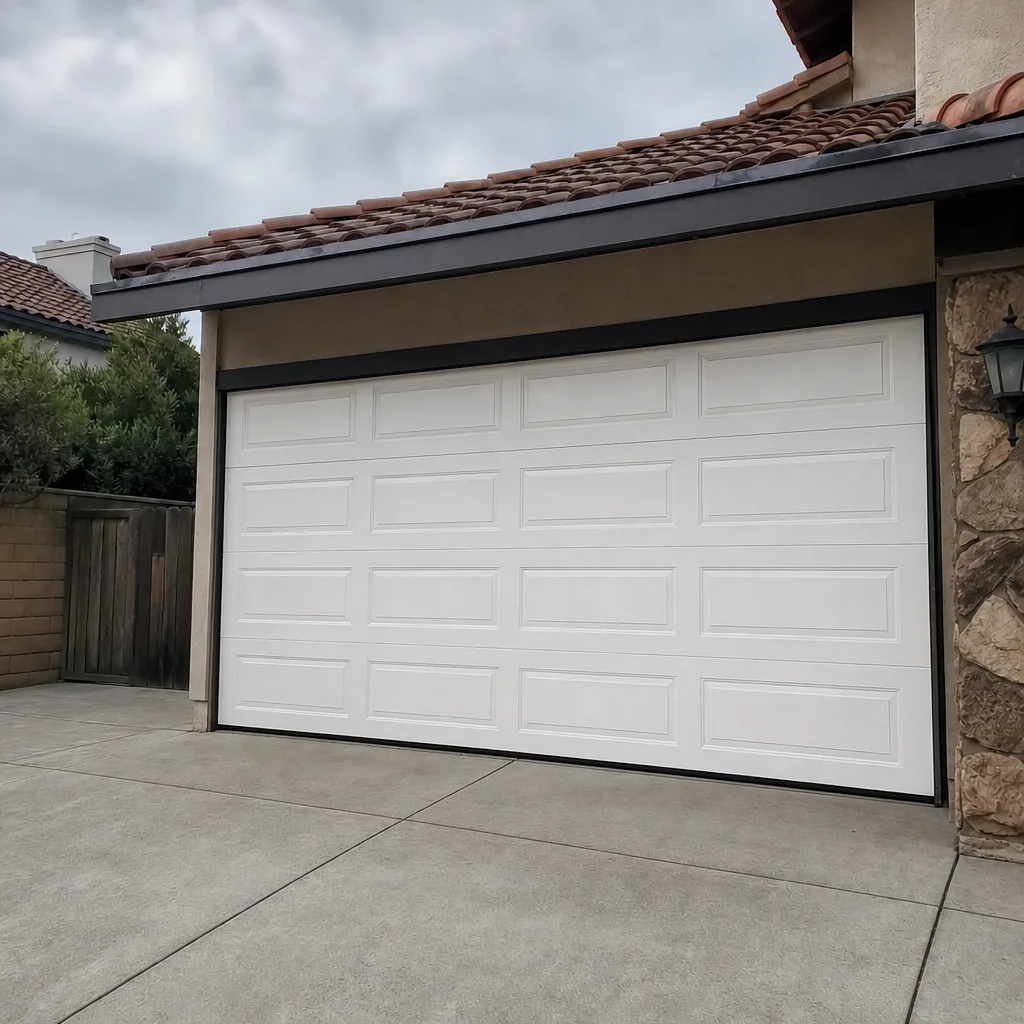 After