
Last updated November 4, 2026
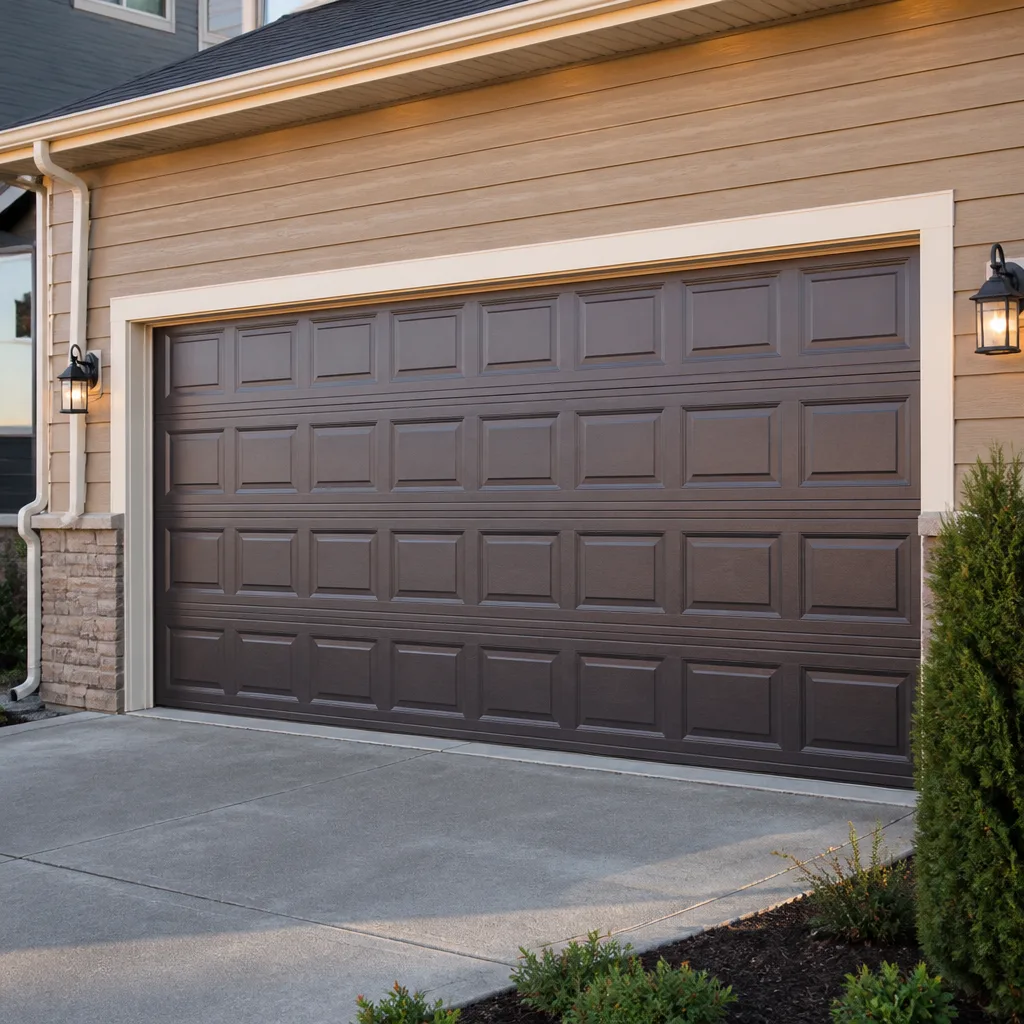 Raised-panel steel
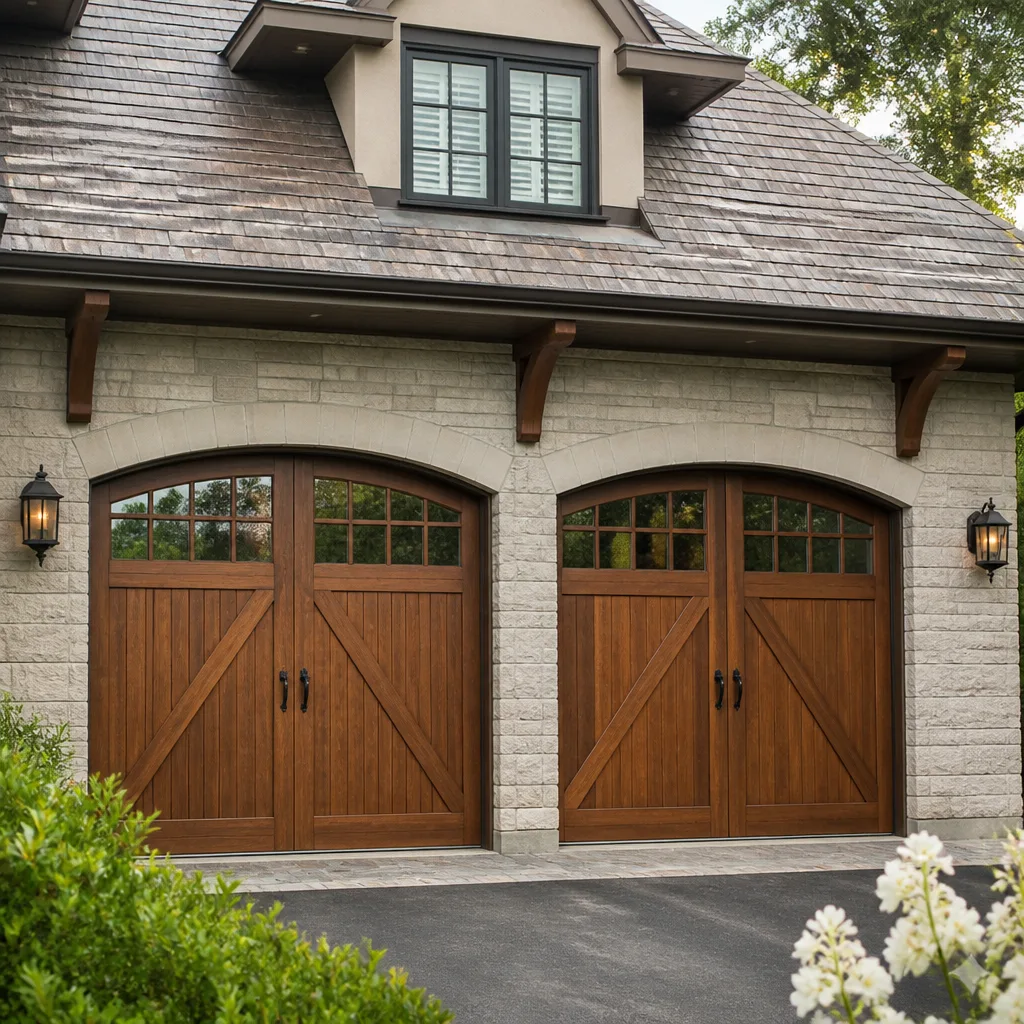 Carriage house
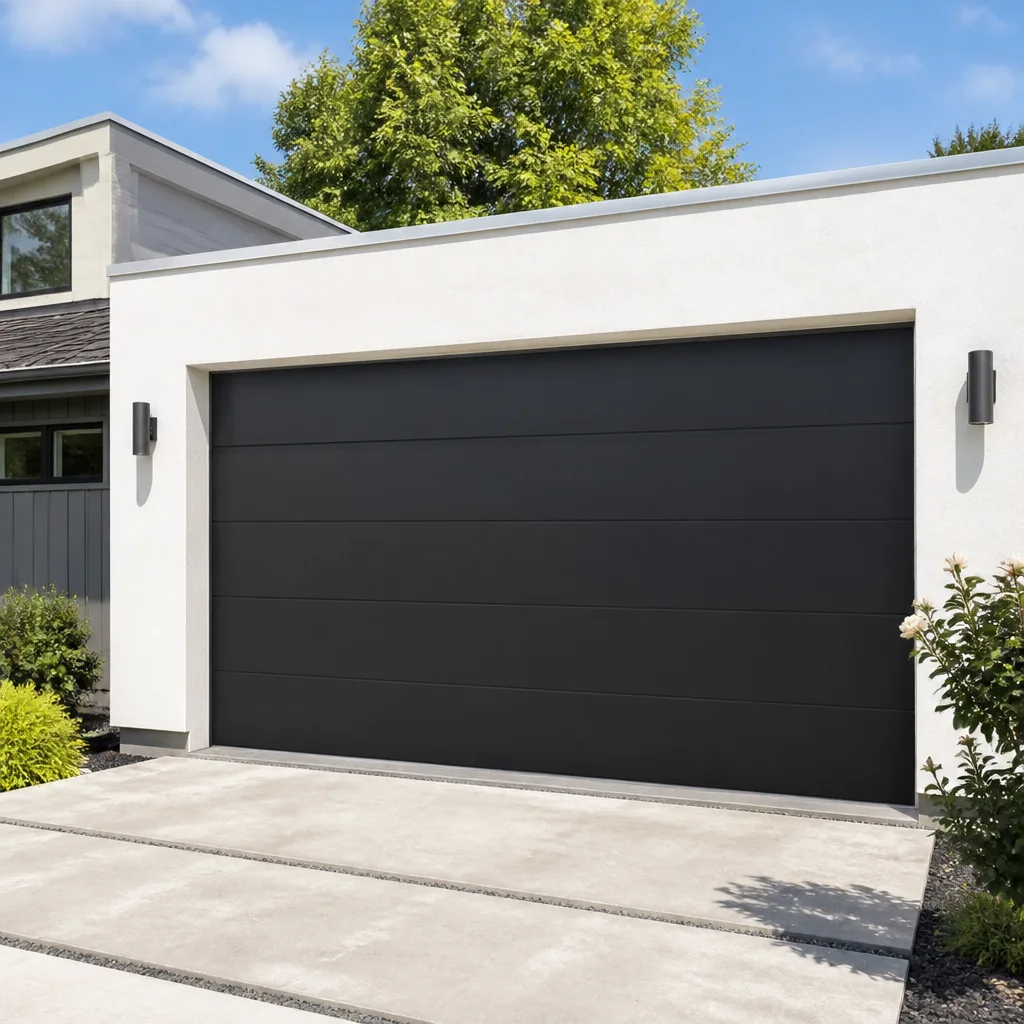 Modern flush
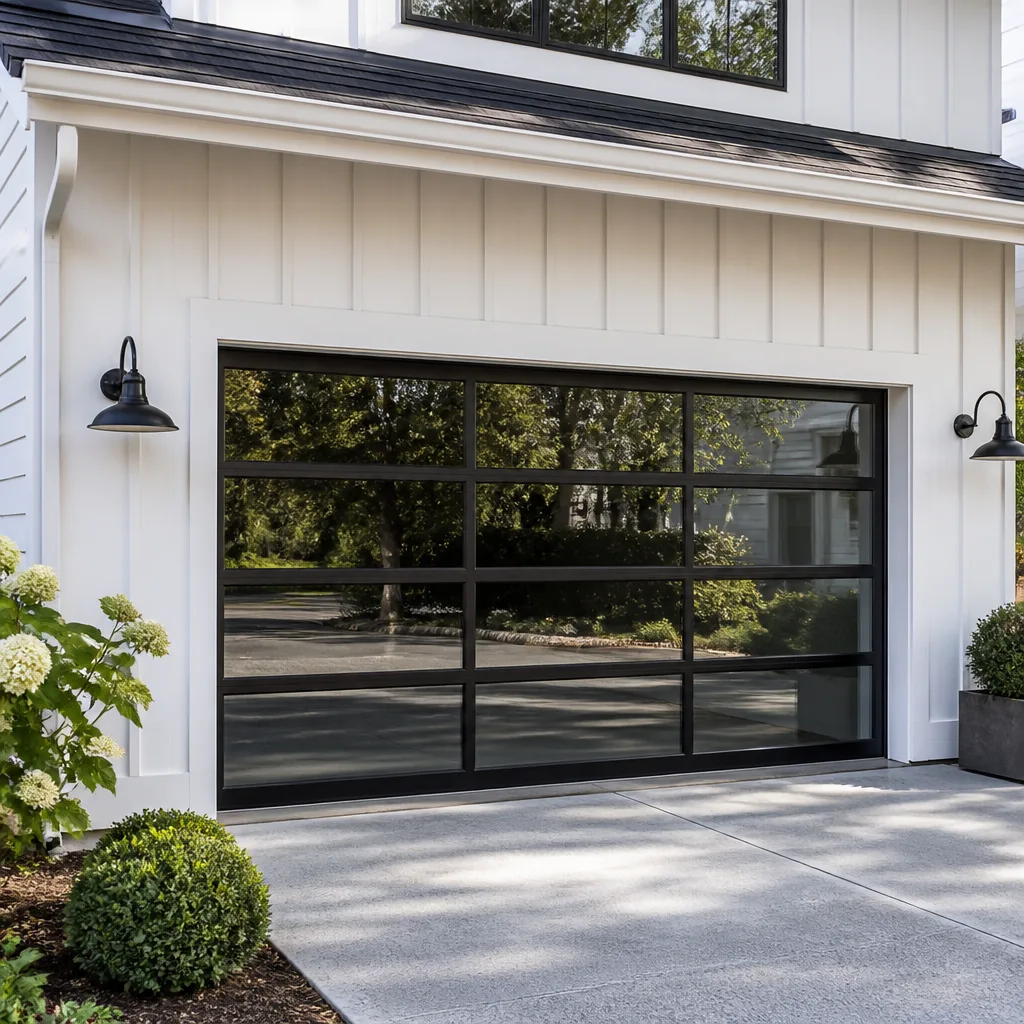 Full-view glass
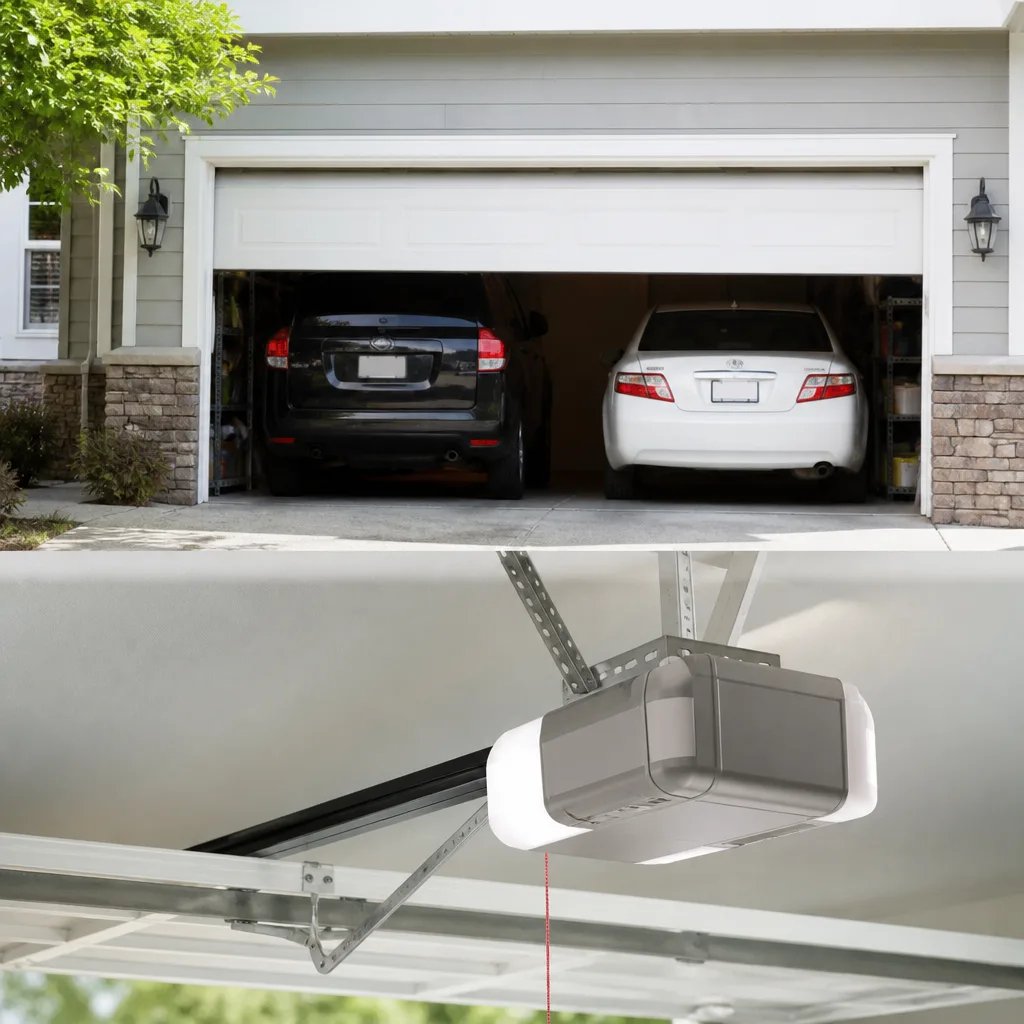 LiftMaster openers
 Chamberlain openers
Full 25-point door and opener safety check with every visit - springs, cables, rollers, tracks, and your LiftMaster or Chamberlain opener included
You get a price before we start. It does not change when the truck arrives.
Get your free estimateSeasonal Garage Door Care for Chino Hills: Year-Round Homeowner’s Guide
October in Chino Hills isn’t “fall maintenance season” in the traditional sense. It’s the tail end of fire season and the period when months of heat stress finally show up as cracked weatherstripping, stiff rollers, and springs that are one cold night away from breaking. Most national garage door maintenance guides assume four equal seasons with a harsh winter you need to prep for. That template doesn’t fit Chino Hills, and following it means you’ll spend time on tasks that don’t matter here while skipping the ones that do. This guide maps garage door care to the actual climate calendar of Chino Hills: brutal summer heat, a real fire-season window, and mild winters that still create enough thermal variation to shift spring tension.
Quick Answer
For Chino Hills homeowners, seasonal garage door care means a pre-summer inspection in May to prepare for 90-100°F heat, a fire-season check of your bottom seal and weatherstripping in September and October, and a spring-and-cable inspection during the mild December-to-February window. Skip the generic four-season template. Focus on heat stress, ember intrusion, and the thermal cycling that weakens springs even when winters never freeze.
Styles & brands we work with
- Raised-panel steel
- Carriage house
- Modern flush
- Full-view glass
- LiftMaster openers
- Chamberlain openers
Table of Contents
- Month-by-Month Task Calendar for Chino Hills
- Pre-Summer Prep: What to Do Before June Heat Sets In
- Fire Season Considerations for Your Garage Door
- Post-Summer Inspection: What Actually Degrades After 90-100°F Days
- Why December to February Is the Best Window for Spring and Cable Inspection
- Lubrication in a Dry Climate: What Works, What Doesn’t
- Common Mistakes to Avoid
- When to Call a Professional
Month-by-Month Task Calendar for Chino Hills
Chino Hills doesn’t have four equal seasons. It has a long hot stretch from June through October, a brief and mild winter from December through February, and transition months in between. Here’s how the year actually breaks down for your garage door, and what each window demands.
January – February: Spring and Cable Inspection Window
This is the best time of year in Chino Hills to have your springs and cables inspected. The air is cool but not freezing, which means your garage door components are under moderate tension without the thermal expansion summer brings. A technician can read spring fatigue more accurately now than in July. We recommend having a professional check torsion spring balance, cable condition, and drum wear during this window. It’s also the slowest month for garage door companies, which often means faster scheduling.
March – April: Track Alignment and Roller Check
Spring in Chino Hills brings mild mornings and warmer afternoons. That temperature swing makes metal tracks expand and contract slightly, which can loosen bolts over time. Rollers also start wearing faster as usage picks up. This is the right time to:
- Listen for grinding or squeaking during operation.
- Check track bolts for visible looseness.
- Inspect roller wheels for flat spots or wobble.
- Test the balance of the door by disconnecting the opener and lifting manually.
May: Full Pre-Summer Inspection
May is the month to take summer seriously. Before the first heat spike, inspect weatherstripping, opener motor function, panel condition, and hardware tightness. We cover this in depth below, but the short version: do this before mid-June.
June – September: Heat Monitoring
During the hottest months, your job is mostly observation. Listen for new noises. Watch for slow operation. Check whether the door reverses properly. Heat doesn’t just cause new problems, it accelerates existing ones, and a roller that was slightly worn in April can be shot by August. You’re not doing heavy maintenance now; you’re catching problems early.
October: Fire Season Seal Check
October is when Santa Ana winds pick up and fire risk peaks. Your garage door’s bottom seal and perimeter weatherstripping are the first line of defense against ember intrusion. Inspect them now, not in July when you’re thinking about heat. Replace anything cracked, gapped, or compressed flat.
November – December: Opener and Safety Reversal Test
As Chino Hills cools into the mild winter window, test your opener’s safety reversal system and force settings. Cold mornings make materials slightly stiffer, and an opener that worked fine in September might now struggle with the extra resistance. This is also the time to check battery backup units if your opener has one.
Pre-Summer Prep: What to Do Before June Heat Sets In
Chino Hills regularly sees sustained 90-100°F stretches from June through September. That heat does specific things to garage door components, and you want to address them before they become problems. The thermal load on a garage door in direct sun is substantial: metal panels expand, weatherstripping bakes, and opener motors work harder when ambient temperatures climb. Here’s your pre-summer checklist.
- Inspect and replace weatherstripping. The bottom seal on your garage door takes direct sun exposure reflecting off your driveway. In Chino Hills, that means it gets cooked from above and below. If it’s cracked, flat, or pulling away from the retainer channel, replace it before June. A bad bottom seal lets heat in during summer and doesn’t seal against embers during fire season.
- Check your opener’s thermal behavior. Garage door openers in hot garages can trip their thermal overload protection, which shuts the motor down until it cools. This happens more often with older units. During May, run your opener several times in a row and watch for stalling or refusal to run. If it trips once, it’ll trip more in August. That’s a signal to have the opener evaluated for possible replacement or adjustment.
- Look at panel fit and expansion gaps. Steel and aluminum panels expand in heat. If your door was installed in cool weather with tight tolerances, summer expansion can create binding or scraping at the section joints. Run the door manually and listen for friction points. A door that scrapes now will scrape worse in July.
- Lubricate moving parts with the right product. Use a garage door-specific lubricant, not WD-40. We cover this more below, but apply lubricant to rollers, hinges, springs, and the opener chain or screw drive before summer heat thickens whatever is in there.
- Test balance under tension. Disconnect the opener and lift the door by hand. It should stay open about three to four feet off the ground without drifting up or down. If it falls, the springs are wearing out and need replacement before the heat cycle puts more stress on them.
Pre-summer prep matters in Chino Hills because you’re not protecting against cold. You’re protecting against a long thermal stress period that can turn a marginal spring into a broken one, and a tired opener into a dead one, usually at the worst possible time.
Fire Season Considerations for Your Garage Door
Chino Hills sits in a fire-prone region, and Santa Ana wind events typically run from September through November with occasional spikes into December. For your garage door, the concern isn’t the flame front itself. It’s ember intrusion, the small burning pieces that get driven into gaps and openings by high winds. A garage door that doesn’t seal properly is an ember entry point, and anything stored in your garage becomes fuel.
The single most important fire-season task is checking your bottom seal. The flexible rubber or vinyl strip along the bottom edge of your door should contact the garage floor evenly across the full width with no visible gaps. In Chino Hills, heat and dry air degrade this seal faster than it would in a more humid climate, and a seal that was fine in spring can be split by October. Run a flashlight along the inside bottom edge at night and look for light gaps. If you see light, wind can drive embers through that same gap.
Perimeter weatherstripping matters as well, particularly on the sides and top of the door. When the door is closed, the weatherstripping should compress slightly against the frame. If it’s hardened, cracked, or pulling loose at the corners, replace it before Santa Ana season peaks. Many Chino Hills homes have doors that face the canyon, and that orientation gets the strongest wind loading. Side seals on a windward-facing door wear faster than on a sheltered one.
Products that help: bottom seals that are specifically rated for fire resistance are available for most door types and often install into a standard retainer channel. Brush seals can supplement bottom seals on uneven floors where a standard bulb seal doesn’t make full contact. And while no garage door is fireproof in a wind-driven event, a door that closes tight, seals well, and has intact panels keeps embers out far better than one with gaps and cracks. If you’re unsure whether your seals are doing their job, a professional inspection costs nothing when bundled with a garage door repair visit.
Post-Summer Inspection: What Actually Degrades After 90-100°F Days
By late September in Chino Hills, your garage door has spent three-plus months in punishing heat. Certain components degrade in predictable ways, and a post-summer inspection should target them specifically. In our experience working on doors across Chino Hills, here’s what we most often find after the summer heat cycle.
Weatherstripping and Seals
This is the most common post-summer failure. The combination of UV exposure, reflected heat from driveways, and zero humidity turns flexible rubber into brittle plastic. Bottom seals crack at the fold lines first. Side seals harden and pull away from the frame. If your seal looks flat, cracked, or shiny-hard rather than soft and pliable, it is no longer sealing. Replace it in October before fire season winds arrive.
Rollers
Steel rollers with unlubricated bearings wear faster in heat because the metal expands and tolerances tighten. Nylon rollers hold up better but still degrade. The symptom of heat-worn rollers is a door that jerks or vibrates during operation, especially in the upper track section. Rollers should be replaced when you can see visible flat spots, when the wheel is obviously out of round, or when you hear grinding that lubrication doesn’t fix.
Springs
Torsion springs have a cycle life: a typical spring is rated for 10,000 cycles, and every open-and-close uses one cycle. Heat doesn’t directly break springs, but it does accelerate metal fatigue because the spring is cycling under higher thermal expansion. A spring that was near the end of its life in May is often broken by September or October. Listen for a loud bang from the garage, and look for a visible gap in the spring if your door suddenly will not open. Spring replacement is not DIY work. The tension involved is dangerous, and this is a job for a trained technician.
Opener Motors and Circuit Boards
Heat is hard on electronics. Opener motherboards expand and contract with temperature swings, and a garage that hits 110°F inside during an August afternoon is cooking whatever circuit board sits in the opener housing. Symptoms of heat-damaged openers include intermittent operation, failure to respond to remotes, and unexpected reversal. This is exactly the kind of problem that points to garage door opener repair rather than a door-side fix.
Panel Paint and Finish
Ten years of Chino Hills sun will fade paint and oxidize steel panels. This doesn’t affect function, but it does affect your home’s curb appeal, and it’s more noticeable on south-facing doors. If your panels are chalky or the paint is flaking, the door itself may still have years of life. But if panels are warping, cracking at the seams, or showing rust at the bottom edge where irrigation sprinklers hit them, you’re entering replacement territory. We install Chino Hills-appropriate doors from manufacturers like Amarr and Wayne Dalton, and we’ll tell you honestly whether repair or replacement makes more sense.
Why December to February Is the Best Window for Spring and Cable Inspection
Chino Hills winters are mild. You don’t deal with freeze-thaw cycles, ice, or snow load. But winter still matters for your garage door, and it’s actually the best time of year to have your springs and cables inspected. Here’s why.
First, thermal contraction is real even in mild winters. When overnight lows drop into the 30s and daytime highs stay in the 50s and 60s, metal components contract slightly. That contraction shifts the tension in your springs and the position of your cables in their drums. A spring that was balanced in September when it was 95°F out is under slightly different tension in January. That difference is usually small, but it’s enough to reveal marginal springs that are near the end of their cycle life. A spring that has done 9,000 cycles will behave differently at 40°F than at 95°F, and a good technician can read that difference.
Second, cables wear at the drum. The steel cable that wraps around the drum on each side of the door rubs against the drum surface on every cycle. Over time, individual strands fray. Cold weather makes steel slightly more brittle, so a cable that was frayed but holding in October can snap in January. Checking cables during the winter window means you catch fraying before it turns into a dropped door, which is both dangerous and expensive.
Third, winter is the low season for garage door work across Chino Hills. Fewer emergency calls means better scheduling. If you want a thorough inspection without waiting days for an opening, December through February is when you’re most likely to get fast service. And if a spring or cable does need replacement, parts availability is typically better when technicians aren’t running emergency calls all day.
The point is not that winter is dangerous for your garage door in Chino Hills. It’s that winter gives you a clean diagnostic window. Your door is under moderate conditions, not heat stress, and problems are easier to identify before summer puts everything under load again.
Lubrication in a Dry Climate: What Works, What Doesn’t
Chino Hills is dry. That matters for lubrication because the products that work in humid climates don’t always behave the same way here. Dust is also a factor: Chino Hills sits inland, and the dry air means fine dust hangs around longer and works its way into moving parts.
The right product is a garage door-specific lubricant, typically a lithium-based spray or a silicone-based product designed for door hardware. In our experience, spray lithium grease works well on metal-to-metal contact points like hinges, rollers, and springs. Silicone spray works better on nylon rollers and on opener rails. What you should not use is WD-40, which is a solvent and water displacer, not a lasting lubricant. It strips existing lubrication and leaves parts drier than they were.
Where to Lubricate
- Rollers: A quick shot at the bearing, not on the wheel surface. Nylon rollers don’t need much; steel rollers need more.
- Hinges: The pivot points where hinge halves move against each other.
- Springs: Torsion springs need a light coating to prevent rust and reduce friction between coils. Extension springs benefit as well.
- Opener rail: If you have a screw-drive opener, use the lubricant specified by the manufacturer. Chain-drive openers need light oil on the chain, not grease. Belt-drive openers generally don’t need lubrication.
- Locks and handles: A dry lock that won’t turn is common in Chino Hills, and a quick shot of graphite or silicone fixes it.
How Often
In Chino Hills, twice a year is right for most homes: once in May before summer heat, and once in October after the heat breaks. If your door faces south or gets direct sun all afternoon, you may want to lubricate every four months because heat accelerates lubricant breakdown. The tell is noise: a properly lubricated door is quiet. When you start hearing squeaks or grinding that you didn’t hear a month ago, lubrication is overdue.
Dust is a real issue here. If you lubricate too heavily, the lubricant attracts dust and turns into a grinding paste. This is especially true on exposed hinges and rollers. A light coat is better than a heavy one, and it’s better to lubricate more often than to overdo it once.
Common Mistakes to Avoid
- Following a national-chain maintenance calendar. Those guides assume a harsh winter and a humid summer. Chino Hills heat stress and fire-season sealing are what actually matter here, and you’re wasting time and money prepping for cold weather that never comes.
- Lubricating with WD-40. WD-40 is not a lubricant. It strips existing lubrication and leaves metal parts vulnerable to the dry Chino Hills climate. Use a proper garage door lubricant.
- Ignoring a noisy door because it still works. Noise is the earliest warning sign of wear. A squeak you ignore in May is a broken roller in August and a damaged track by October. Address noise when you first hear it.
- Replacing only one spring when a pair fails. Springs are a matched set designed to work together. Replacing one means the older spring is still near the end of its life, and you’ll be back for the other one soon. Always replace both when spring replacement is needed.
- Waiting for fire season to check seals. By the time the Santa Anas are blowing, the seal has been degraded all summer. Check and replace weatherstripping in September, before the first red-flag warning, not after.
- Skipping the safety reversal test. Your opener’s safety reversal system is the thing that keeps a closing door from injuring a child or pet. Test it monthly by placing a roll of paper towels under the door and confirming the door reverses on contact. It takes five seconds and it saves lives.
- Assuming a tilted or sagging door is a cosmetic issue. A door that’s out of level or visibly sagging on one side is telling you something structural is wrong: a failing spring, a bent track, or a panel that’s losing integrity. Cosmetic problems don’t cause sagging. Structural ones do.
When to Call a Professional
Some garage door maintenance is safely DIY: visual inspections, lubrication, weatherstripping replacement at ground level, and safety reversal testing. Other tasks require a professional, both because they involve dangerous tension loads and because diagnosing them accurately takes experience. Call a pro when your door breaks a spring, when a cable is frayed or snapped, when your opener won’t respond to remotes or trips its thermal protection repeatedly, when the door is visibly out of level, or when you hear grinding from the motor unit itself. Torsion springs are under hundreds of pounds of tension and can cause serious injury if mishandled. Cables wrapped around drums can snap and recoil unpredictably. These are not DIY jobs, and no amount of YouTube research changes that. Pinecrest Garage Door offers free estimates in Chino Hills. Call (877) 376-0803. We answer 24/7. Fast dispatch from 7am to 7pm, Sunday through Friday.
See the difference
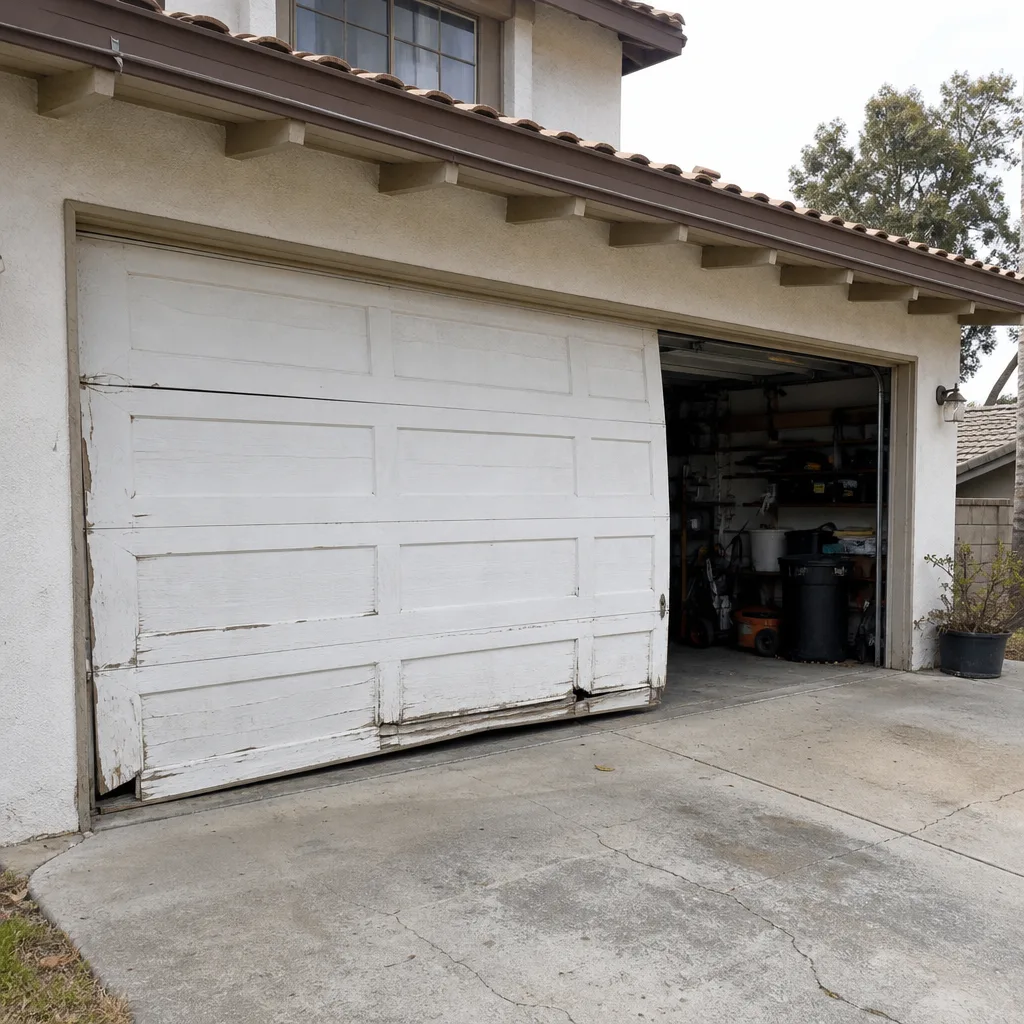 Before
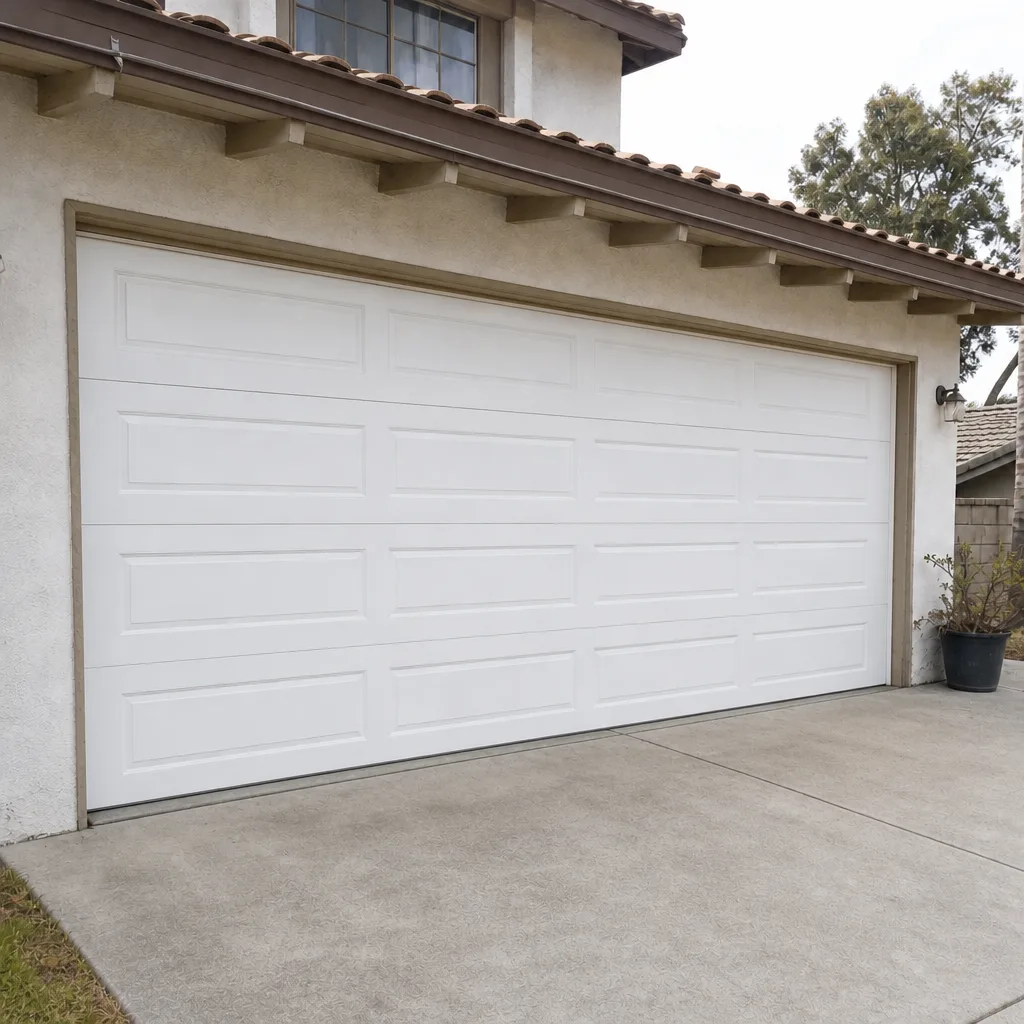 After
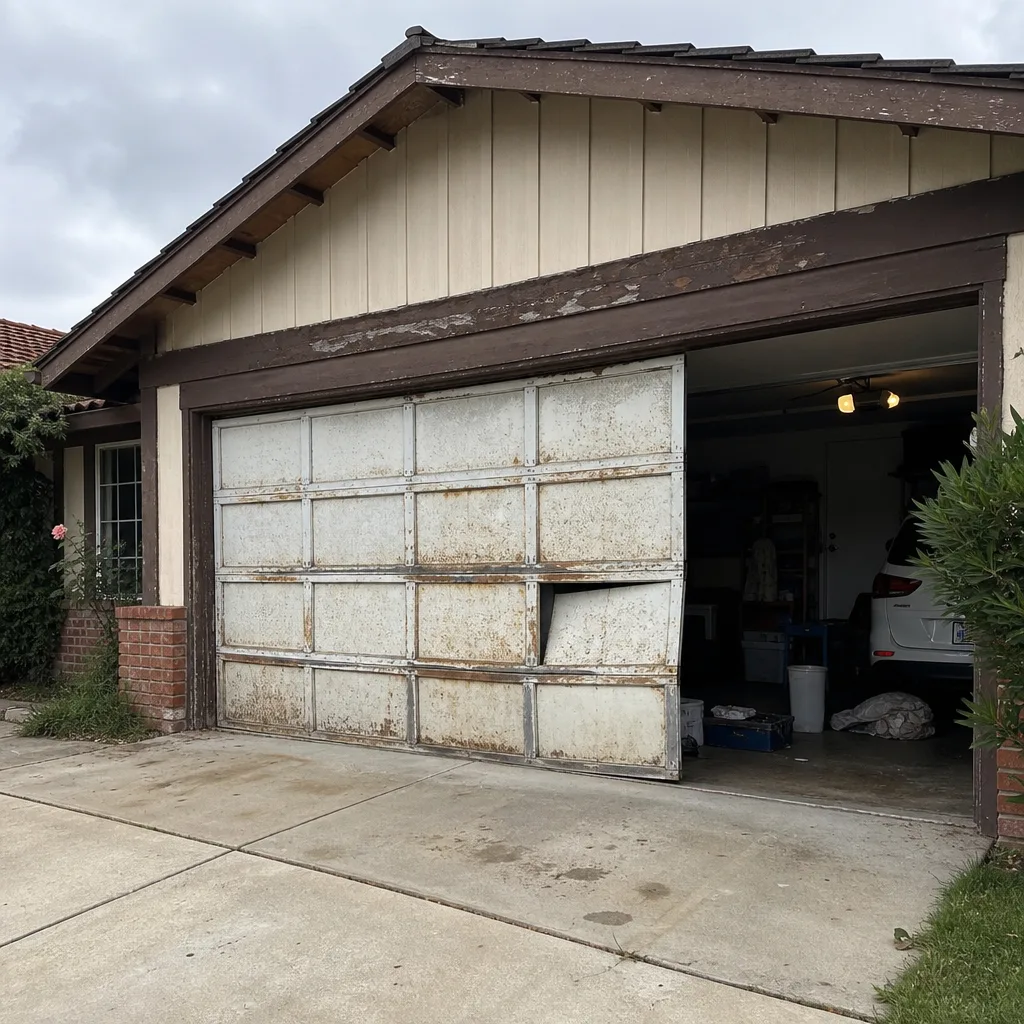 Before
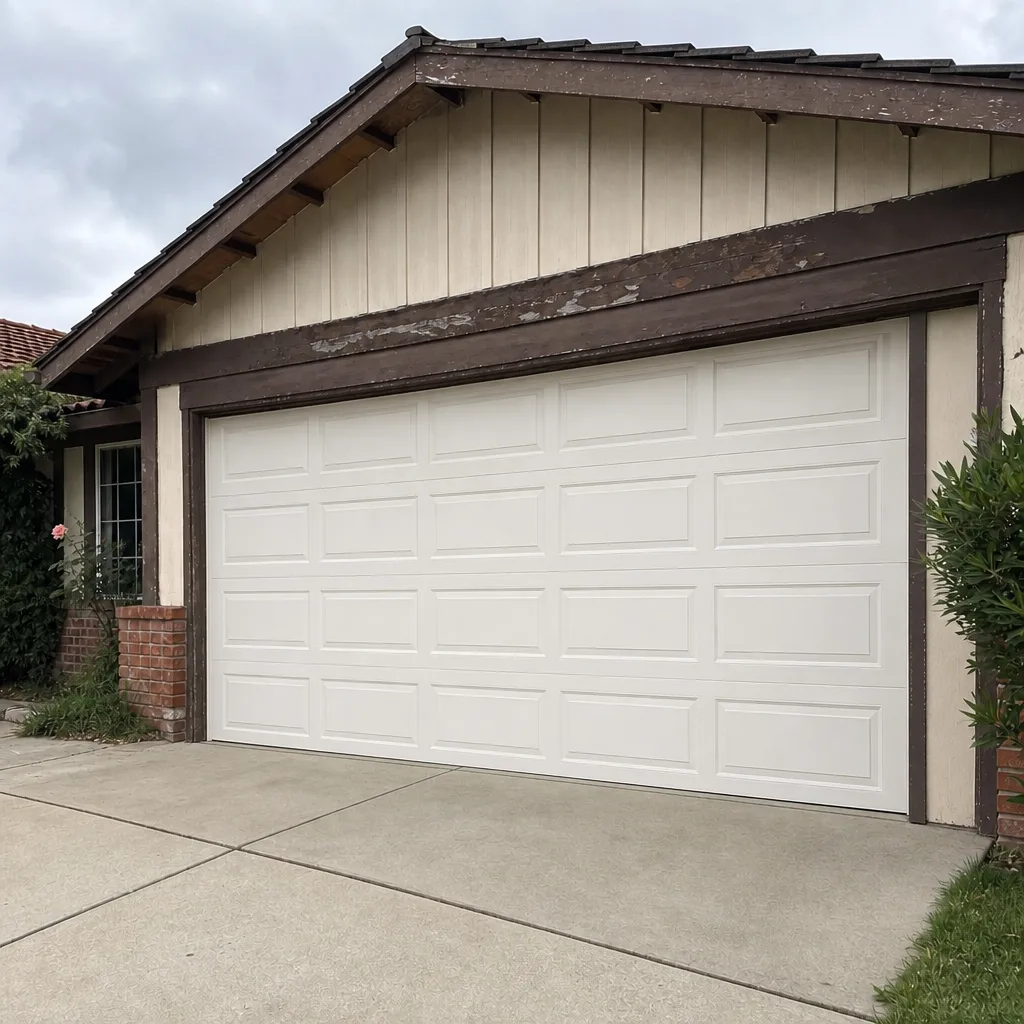 After
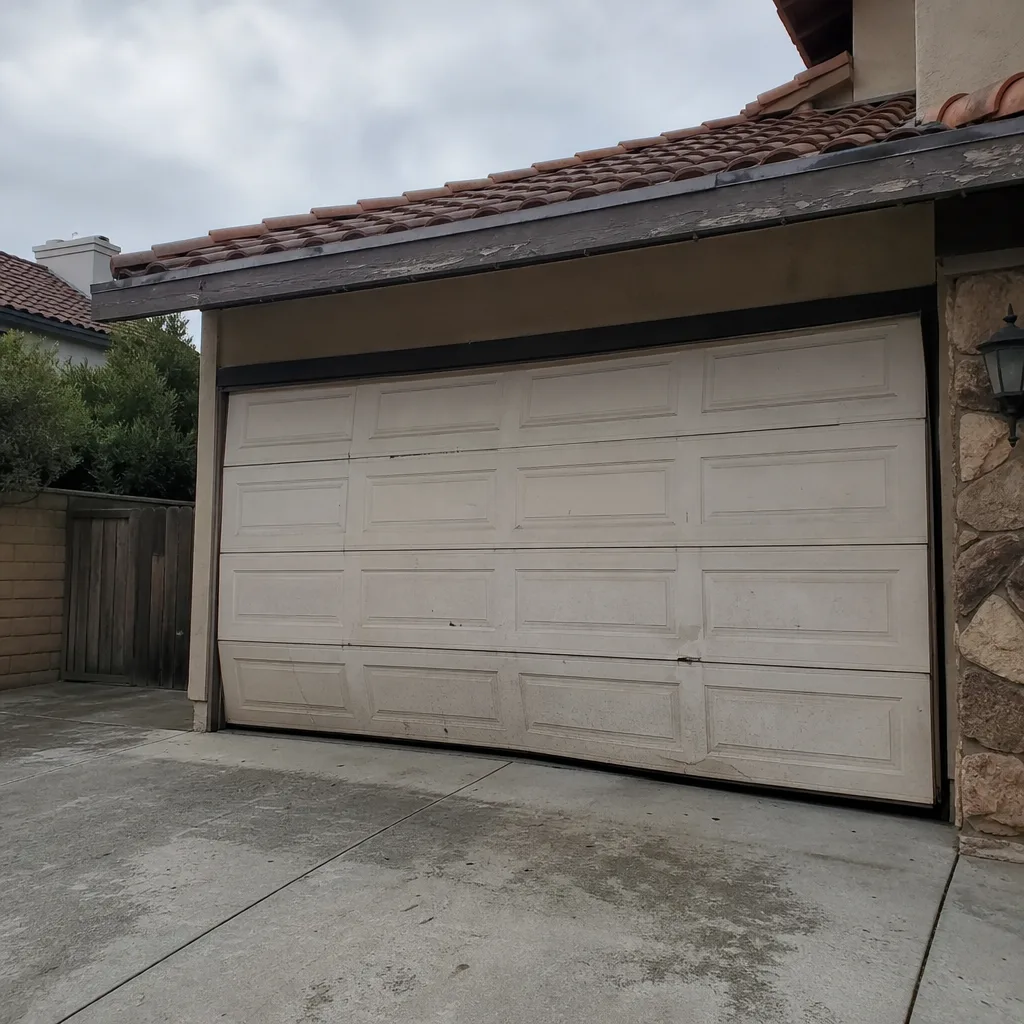 Before
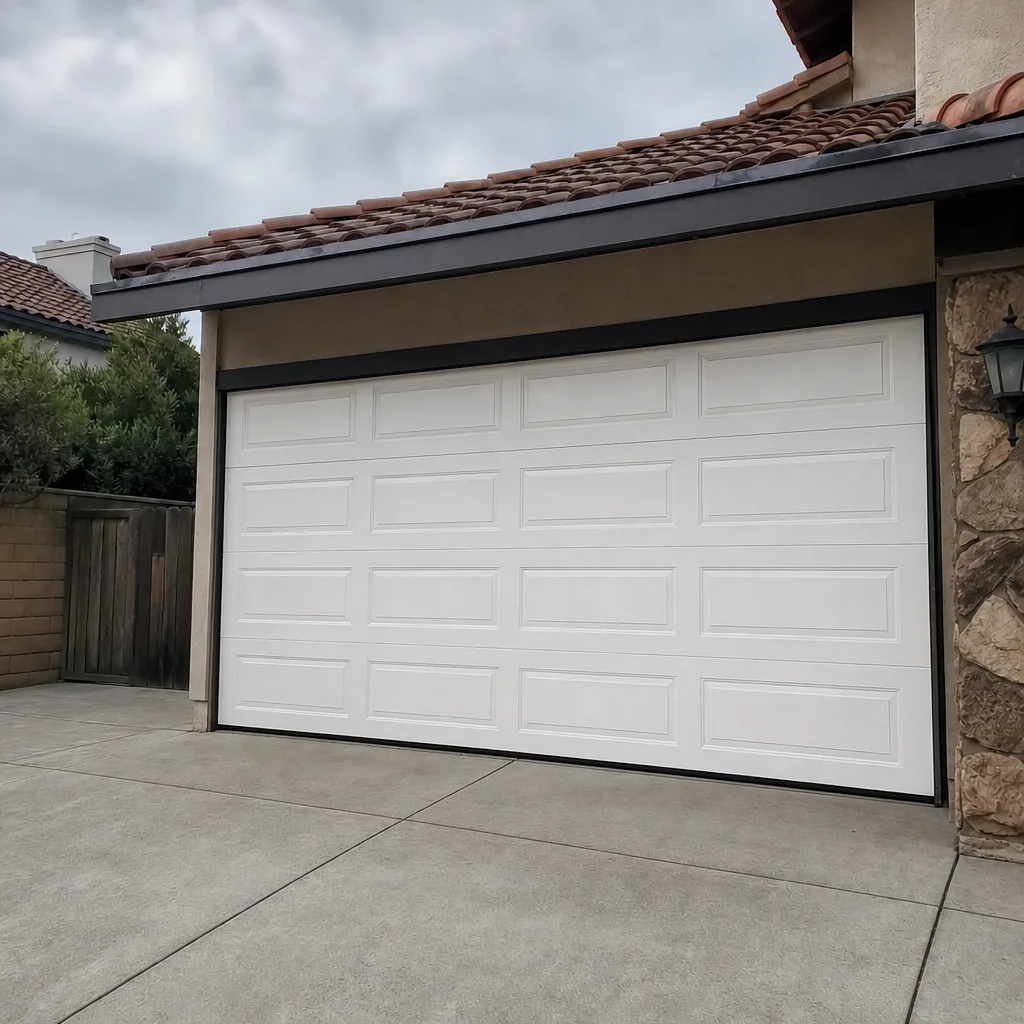 After
Frequently Asked Questions
Twice a year is right for most Chino Hills homes: once in May before summer heat peaks, and once in October after the heat breaks and before fire season winds arrive. The May visit focuses on heat preparation, and the October visit focuses on post-summer wear and seal integrity. Homes with south-facing doors or heavy daily use may benefit from a third check in February during the spring-and-cable inspection window.
Heat doesn’t directly break springs, but it accelerates metal fatigue. Torsion springs are rated for a specific number of cycles, and every cycle under high thermal expansion puts slightly more stress on the metal. A spring that’s near the end of its rated life in May often fails during the August-September heat stretch in Chino Hills. That’s why pre-summer inspection matters.
Early fall, before Santa Ana winds peak. September and October are ideal because summer heat has already done its damage and you want fresh seals in place before ember-driven wind events. Replacing weatherstripping in October also gives the new seal a mild winter to settle before next summer’s heat cycle.
Yes, lubrication is one of the few maintenance tasks that’s safely DIY for most homeowners. Use a garage door-specific lubricant, never WD-40. Apply a light coat to rollers, hinges, springs, and the opener rail twice a year. Heavy application in Chino Hills dust turns into abrasive paste, so keep it thin and reapply regularly.
No special fire-rated door is required by code for standard residential garages in Chino Hills. What matters is proper sealing: an intact bottom seal and tight perimeter weatherstripping keep wind-driven embers out. If your seals are split, hardened, or gapped, replace them before fire season. That’s the single most impactful thing you can do for ember protection.
Repair makes sense when the door structure is sound and the problem is a replaceable component: springs, rollers, cables, weatherstripping, or opener. Replacement makes sense when panels are warped, rusted through at the bottom, or structurally compromised, when the door is no longer balanced even with new springs, or when you want to change materials or insulation. We install all major brands including Amarr, Wayne Dalton, and Raynor, and we’ll tell you straight whether a repair buys you years or just delays the inevitable. Call (877) 376-0803 for a free estimate and an honest recommendation.
The Bottom Line
Chino Hills garage doors face a different set of seasonal stresses than doors in most of the country. Heat is the primary threat, fire season is the secondary one, and winter is actually your friend for inspection and maintenance. Follow this calendar: May pre-summer prep, September fire-season seal check, October post-summer inspection, and December-through-February spring and cable evaluation. Lubricate twice a year with the right product. Test your safety reversal system monthly. And when you’re dealing with springs, cables, or opener electronics, call a professional. Pinecrest Garage Door knows the brands you already own, and we’re happy to help you keep them running. Call (877) 376-0803. We answer 24/7. Fast dispatch from 7am to 7pm, Sunday through Friday.
Written by the team at Pinecrest Garage Door, serving Chino Hills since 2018.