
Last updated November 4, 2026
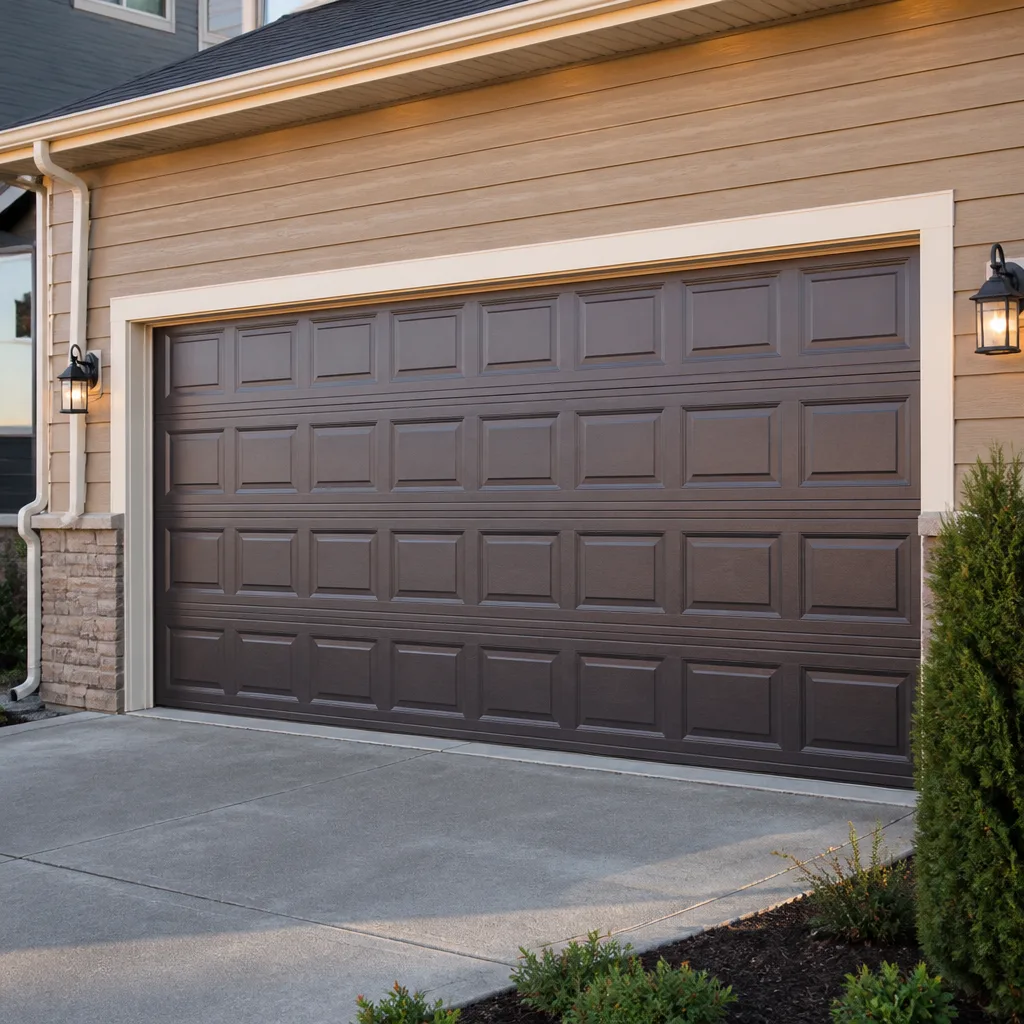 Raised-panel steel
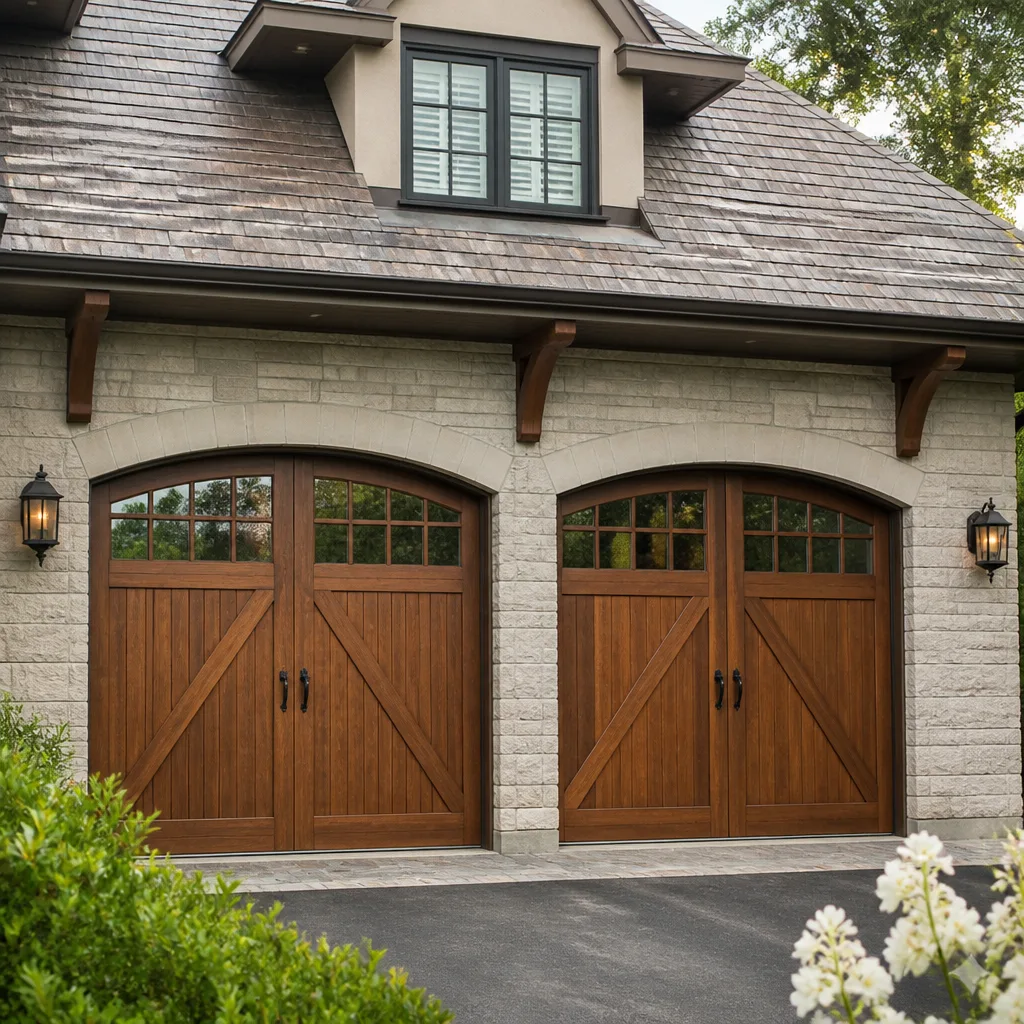 Carriage house
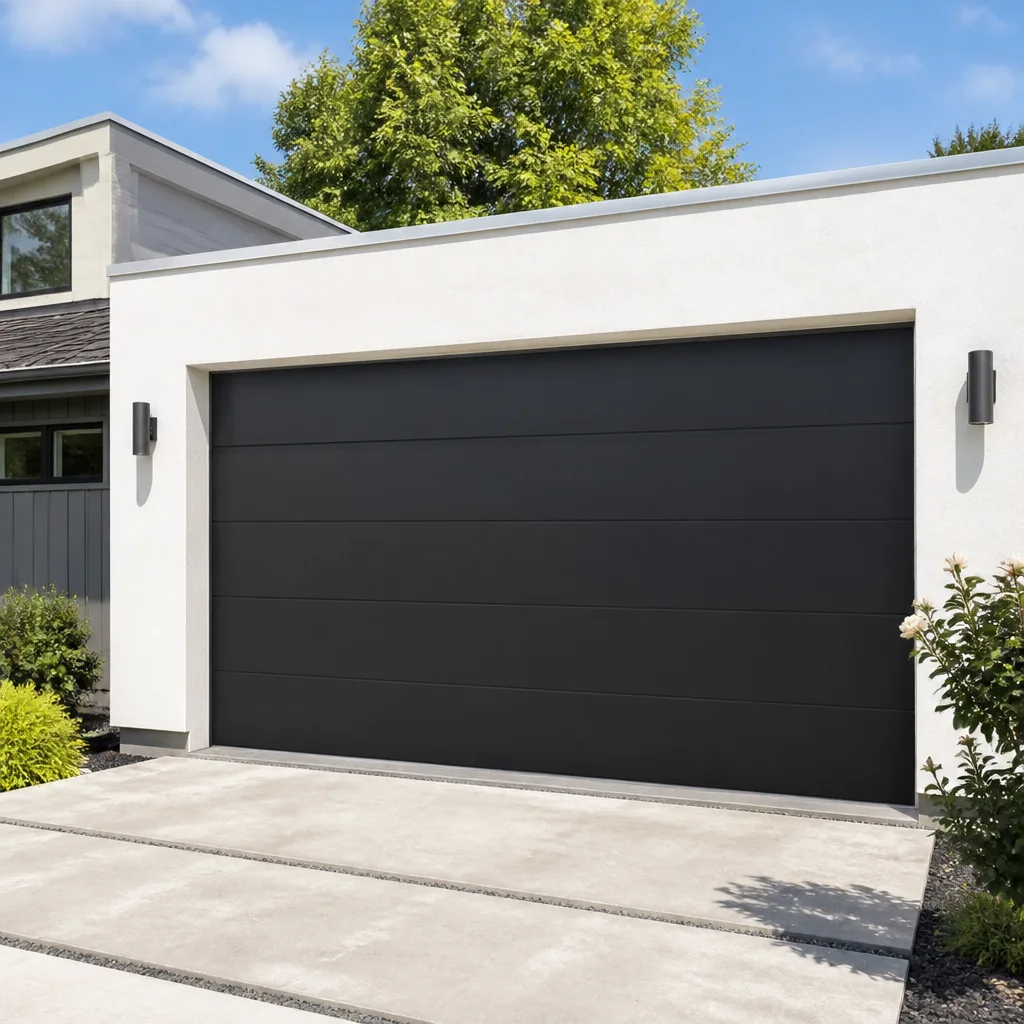 Modern flush
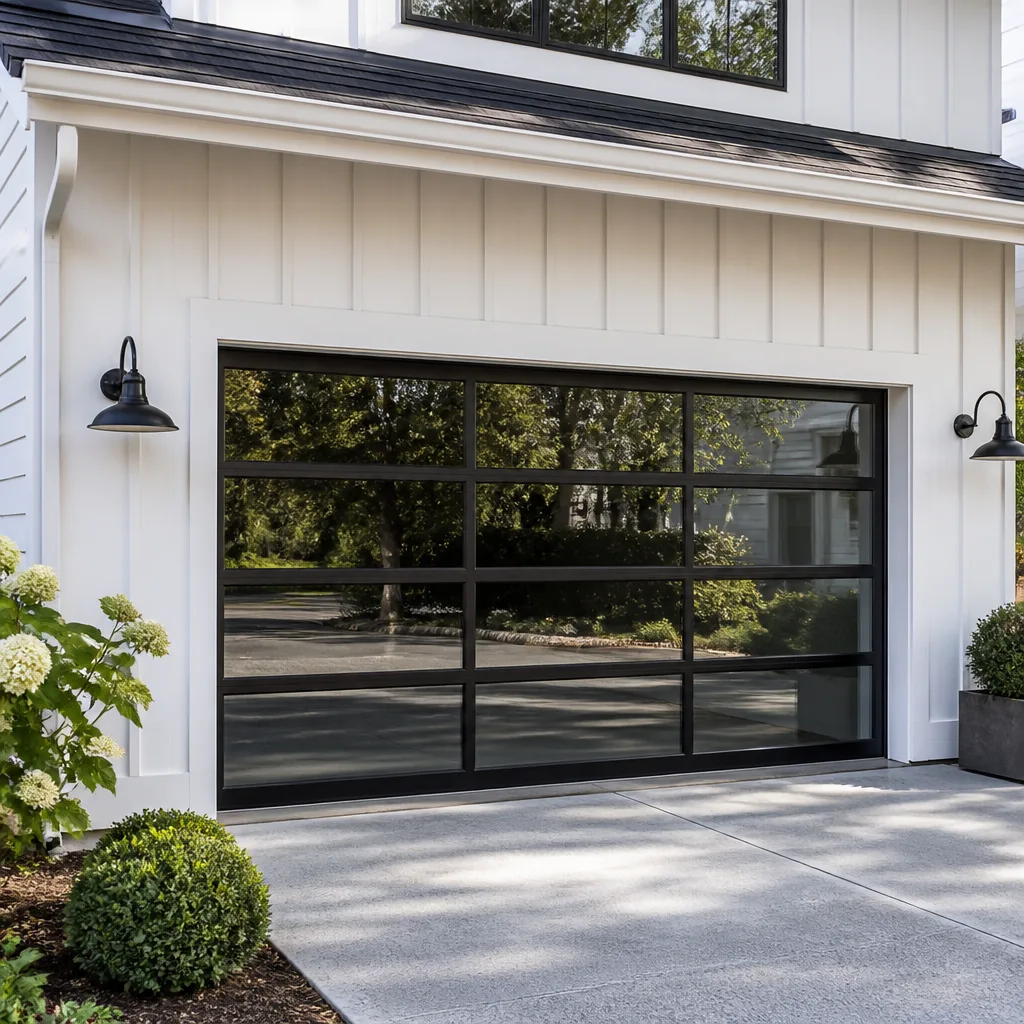 Full-view glass
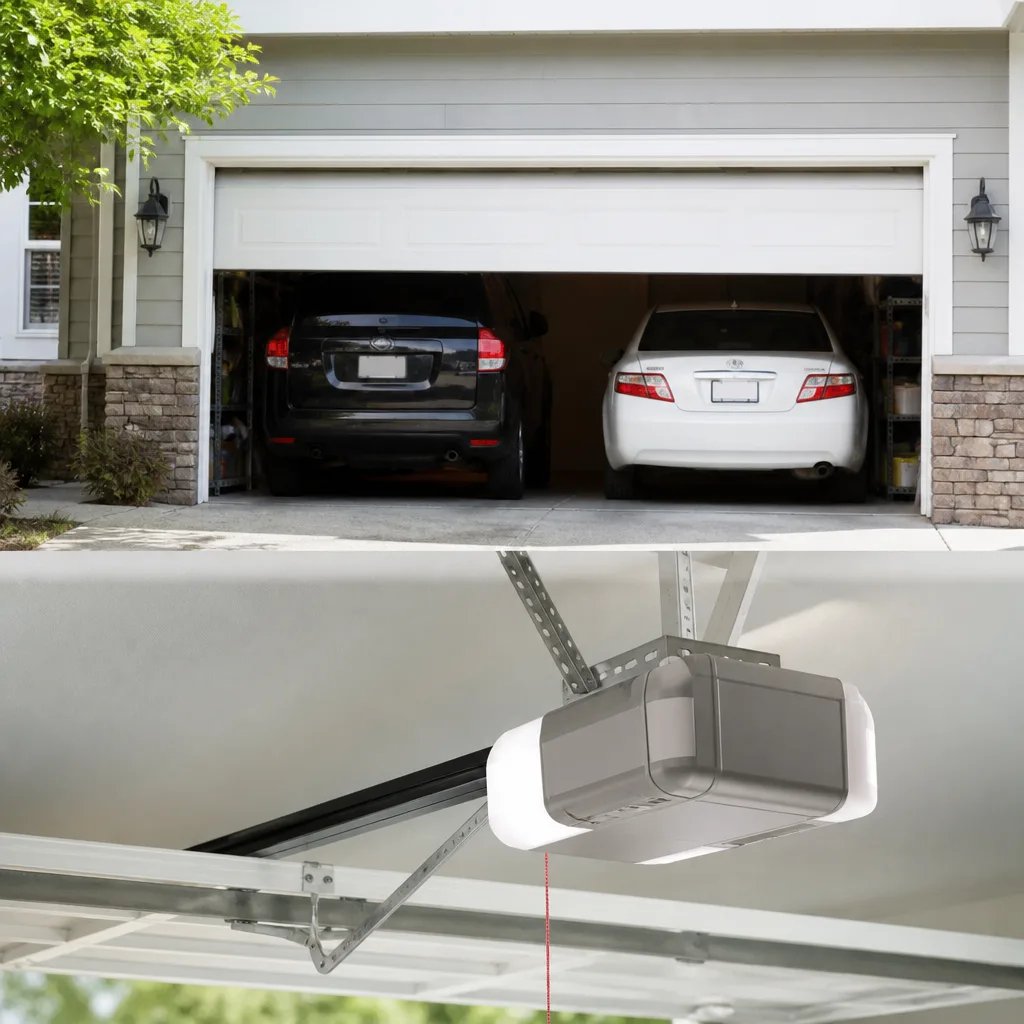 LiftMaster openers
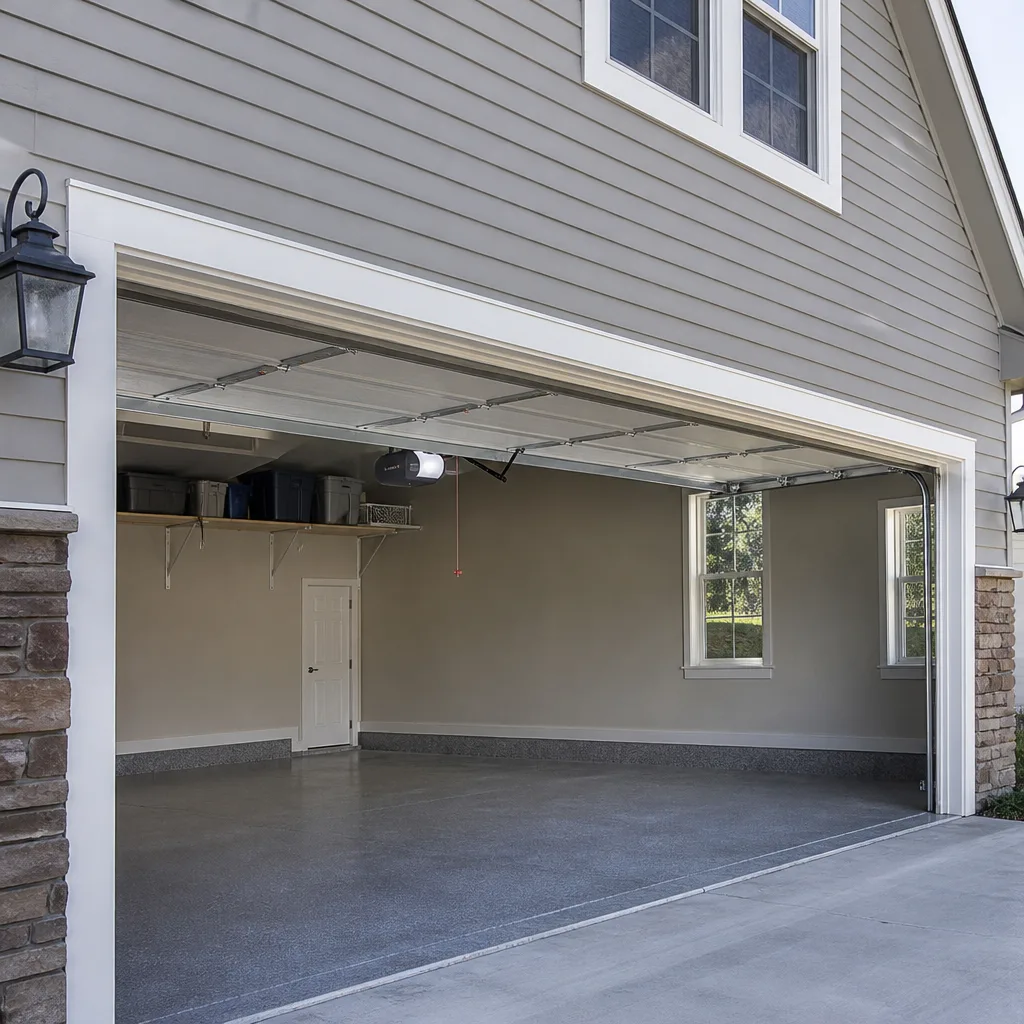 Chamberlain openers
Full 25-point door and opener safety check with every visit - springs, cables, rollers, tracks, and your LiftMaster or Chamberlain opener included
You get a price before we start. It does not change when the truck arrives.
Get your free estimateGarage Door Emergency Preparedness Guide for Chino Hills Homes
Most Chino Hills homeowners think of their garage door as a convenience until it won’t open during a power outage or after a quake, and then they realize it’s the only practical way to get a vehicle out. The truth is the majority of people have never once pulled the manual release cord on their opener, which means when the power fails at night or the motor dies, they’re not sure what to do. This guide walks through the three emergency scenarios that actually happen in Chino Hills – grid outages, earthquakes, and wildfire smoke events – and shows you what to check now, what to keep on hand, and how to operate your door without power. If you’re a homeowner in Chino Hills, the next time the lights go out should not be the first time you’ve thought about this.
Quick Answer
Garage door emergency preparedness in Chino Hills means three things: knowing how to pull the manual release on your specific opener, keeping the right physical tools inside the garage so you can lift or lock the door without electricity, and addressing the two local realities that cause most failures here – brief grid outages and earthquake movement that can shift the track. A battery backup opener or a small generator solves most outage problems, but neither helps if the door came off its track during a quake. The single most important prepared step is practicing the manual release on a normal afternoon, before you ever need it.
Styles & brands we work with
- Raised-panel steel
- Carriage house
- Modern flush
- Full-view glass
- LiftMaster openers
- Chamberlain openers
Table of Contents
- How Power Outages Actually Play Out in Chino Hills
- How to Operate the Manual Release on Your Opener
- Earthquake Damage: What to Check Before You Operate the Door
- Wildfire Smoke and Ember Sealing for Garage Doors
- Battery Backup vs. Generator: What Makes Sense Here
- What to Keep in the Garage for Door Emergencies
- Common Mistakes to Avoid
- When to Call a Professional
How Power Outages Actually Play Out in Chino Hills
Chino Hills sits in a part of Southern California where grid outages come in two main forms: scheduled public safety power shutoffs during high-wind fire weather, and unplanned outages from heat-strained infrastructure or equipment failures. During the 2019 PSPS events, many Chino Hills homeowners learned in real time that a sectional garage door does not open itself – if the opener motor has no power and you have never pulled the manual release, the car stays where it is. Outages here rarely last days, but they often last long enough to disrupt a morning commute, an evening errand, or a medical appointment.
The failure mode in an outage is almost always the same: the motor stops responding, the wall button clicks with no result, and the homeowner realizes the opener was the only way they knew to move the door. The door itself is usually fine. The springs, track, and panels have not failed – the motor simply has no power. That is the least serious garage door emergency you can have, and it is also the one most people are not prepared for because they have never used the emergency release.
We have seen this play out across Chino Hills enough times to know the fix is not complicated. The issue is always that the person standing in the dark garage does not know which cord to pull, how hard to pull it, or what to do after the door is disconnected from the motor. If you prepare for nothing else on this page, prepare for the next scheduled outage by practicing the manual release once. We cover the steps below for the opener brands most common in this area, including Genie, LiftMaster, Chamberlain, and Craftsman.
One more local detail worth knowing: because Chino Hills is built on hillside terrain – the name is not a decoration – some garages are set below grade or accessed by steep driveways. When the power fails and the door will not open, you may also be dealing with a vehicle parked at an angle on a slope. A door that is only halfway open because you’re lifting it by hand on an incline can put unusual strain on the extension or torsion springs. Open it fully or leave it closed; do not hold it partway on a slope.
How to Operate the Manual Release on Your Opener
The manual release is the red cord – or sometimes a red handle – that hangs from the opener rail above your vehicle. It disconnects the door from the motor’s carriage so the door can be moved by hand. Pulling it does not break anything and it is designed to be used, but most homeowners never touch it until the power is out. That is the wrong time to learn. These instructions cover the most common openers we work on in Chino Hills, and the general steps are the same across brands.
- Close the door first if it is open. Never pull the release while the door is under tension from the motor or springs. Wait until the door is fully closed.
- Locate the release cord. It hangs from the rail or trolley above your car. On Genie and Chamberlain openers it is usually a red plastic handle. On LiftMaster openers it is the same red cord, often with a small grip at the end.
- Pull straight down firmly, in one motion. You will hear or feel a click. That is the carriage disengaging from the chain, belt, or screw drive.
- Lift the door with both hands using the handle or the bottom rail. A properly balanced door should be heavy but manageable – roughly 50 to 75 pounds of effective weight at the bottom. If it feels much heavier than that, do not force it; the springs may be worn or broken.
- Raise the door fully until it locks into the horizontal track at the top. If it does not stay up on its own, the springs are not doing their job, and you should call for garage door repair rather than risk the door dropping.
- To re-engage the opener, pull the release cord toward the door. On most models the carriage will click back in automatically the next time the opener runs. Check your opener’s manual for the exact re-engagement method on your model.
The most dangerous part of the manual release is not the cord itself – it is what happens if the springs are broken or the door is off its track and you lift anyway. A sectional door weighs 150 to 250 pounds. Never stand under a half-open door and never let go of a door that is not at rest in the open or closed position. If the door is stuck, garage door opener repair is the safer route than forcing anything by hand.
If you have an opener from the Chamberlain Group family – that includes LiftMaster, Chamberlain, and Craftsman – the release mechanism works the same way. Genie openers use the same basic design as well. The main variation is whether the release cord is attached to the trolley itself or runs through a lever on the rail. Either way, the action is a straight downward pull. If the pull feels stuck or the cord has come loose from the carriage, that is a repair issue, not something to muscle through.
Earthquake Damage: What to Check Before You Operate the Door
Chino Hills sits close enough to the Whittier Fault and the Chino Fault that a moderate quake is a realistic preparedness scenario, not a hypothetical. A garage door that “looks fine” after a quake can still be unsafe to operate, because the damage is often in the track alignment, the mounting brackets, or the spring tension rather than the visible panels. After any quake strong enough to rattle the house – say a 4.0 or higher nearby – treat the garage door as suspect until you have checked it.
Start with a visual check from inside the garage. Look at both vertical tracks. They should be parallel and flat against the wall. If one track bows outward, has pulled away from its brackets, or shows fresh gouges where the rollers catch, do not run the opener. The door will jam, or worse, the rollers can climb out of the track and let the door fall.
Then check the horizontal tracks above the door. These hang from the ceiling, and in a quake the hanger straps can stretch or the angled bracing can twist. The two horizontal tracks need to remain level and the same distance apart as the verticals. A small difference in spacing at the back of the tracks will bind the door partway through the opening cycle.
Finally, check the spring. Torsion springs are the horizontal springs on the bar above the closed door. Extension springs run along both tracks. Either way, look for an obvious gap where the spring has snapped or stretched coils that were not there before. A broken spring is a serious condition that no amount of opener power will fix. If the spring is broken, keep the door closed and call for service – the springs are wound under tension, and this is not a place for a homeowner to improvise. Our technicians carry the common spring sizes for Chino Hills homes and can usually have the door working again quickly, but the key safety rule is simple: do not run a door with a broken spring.
One quake-specific note: in our experience, the most common post-quake problem in Chino Hills is not a dramatic collapse. It is a door that shifts a half-inch to one side, and then the owner runs the opener and chews up the top section or bends a track. If you see even a small offset between the door and the weatherstripping on one side compared with the other, call for service before running the motor. A five-minute inspection now beats a new door and a new opener later.
Wildfire Smoke and Ember Sealing for Garage Doors
Chino Hills is not a coastal city, and wildfire behavior here is driven by hot, dry winds rather than the marine-influenced conditions you get closer to the ocean. What matters for garage doors is ember intrusion and smoke infiltration. The garage is one of the most overlooked parts of the house in wildfire preparedness, and in many local homes the garage door is the largest single gap in the envelope.
Most production garage doors – the kind installed on hundreds of Chino Hills houses – do a poor job of sealing at the bottom and along the sides. The rubber bottom seal, called the astragal, is the first line of defense against embers getting under the door. If the seal is cracked, stiff, or worn short at the corners, embers under the door can ignite whatever is stored nearby. The side weatherstripping performs the same job on the vertical edges. A simple upgrade is to replace old, compressed weatherstripping with a fresh, pliable seal, which also keeps out dust during Santa Ana wind events.
For homeowners in the more fire-exposed foothill neighborhoods of Chino Hills, a door with better panel construction makes a real difference. Steel doors with a full thermal break and heavier gauge skins – models from Clopay, Amarr, and Wayne Dalton all offer this – hold up to radiant heat and ember contact better than older, lighter doors. The upgrade does not make a garage fireproof, nothing will, but it reduces the chance of ignition and keeps smoke from pouring in through panel seams.
Smoke is a separate issue from embers. Even a well-sealed garage will take in some smoke during a nearby fire, mainly through the top of the door and the emergency release opening. The practical answer is not to try to make the garage airtight – that is not realistic or desirable. The goal is to keep the big openings sealed and to store flammables away from the door area. If you keep a gas can, propane, or paint thinner in the garage, move it to the wall farthest from the garage door, ideally in a sealed cabinet. The area within five feet of the door should be the cleanest, least flammable part of the garage.
Battery Backup vs. Generator: What Makes Sense for Chino Hills
For Chino Hills outage scenarios – which tend to be short, wind-related, and unpredictable – a battery backup opener beats a generator for most homes. A battery backup opener, installed as a unit or retrofitted to an existing LiftMaster or Chamberlain opener, keeps the door operational through short outages without any setup. You press the button, the battery supply powers the motor, and the door opens. That solves the 2019 PSPS scenario completely.
A portable generator works too, but it is slower. You have to wheel it out, start it, run a cord, and then run the door. For a 12-hour outage that is not a hardship; for a 45-minute outage before work, it is not worth it. Generators also cannot help if the opener itself has failed, which is a separate problem entirely. The advantage of a generator is that it powers more than the door – refrigerator, lamps, medical equipment – so if you already own one for those reasons, running the garage door off it is a bonus.
What does not work in any outage is a door that depends on the opener without a battery backup. Every LiftMaster, Genie, and Chamberlain opener we service consumes power only when it runs; unplugged, it is a metal rail on your ceiling. The decision comes down to this: if you want the door to work during an outage with zero preparation, get a battery backup. If you want a broader outage solution for the whole home, get a generator and plan to plug the opener in when you need it. Either one is better than the status quo in many Chino Hills homes, which is an opener with no backup and a homeowner who has never practiced the manual release.
What to Keep in the Garage for Door Emergencies
Phones run out of battery, internet goes down, and the opener remote is inside the car you cannot get to. The things you need for a garage door emergency should be stored physically in the garage, in a place you can reach from inside the house or from the door into the garage. Here is the list we recommend for Chino Hills homes.
- A working flashlight or headlamp with fresh batteries. Do not depend on your phone. In an outage the phone may be in use, low, or needed elsewhere. A simple LED flashlight in a known drawer is the single most useful item.
- Pliers or locking pliers. If you need to use the manual release and the door must stay in a certain position while you work around the track, pliers can hold the track in place. They are also useful for pulling a stuck release cord.
- Spare batteries for the opener remote and keypad. Most remotes use the same small-cell batteries. When the remote dies and you cannot get into the house or the car, the keypad on the side of the door is the only way in – and the keypad needs its own battery.
- A printed copy of your opener’s manual, specifically the manual release page. Do not rely on memory or on a phone. A one-page printout in a zip bag inside a cabinet is enough. If you do not have the manual, the release procedure is standardized enough that the steps earlier on this page cover most models.
- A can of garage door lubricant. A dry track can make a manual lift much harder than it should be. A quick spray on the rollers and hinges in the spring and fall keeps the door movable when you need it by hand. Do not lubricate the spring itself; leave the spring alone and call a professional for spring issues.
- Heavy work gloves. When you lift the door manually, you will be gripping the bottom rail, which is often sharp or dirty. Gloves save your hands and improve your grip.
The theme here is simple: the critical items are cheap and boring, but they live in the garage, not on your phone. When the power is out and the internet is down, a flashlight and a pair of gloves are worth more than any app.
Common Mistakes to Avoid
- Waiting for an emergency to practice the manual release. The release is easy once you know how, but learning it in the dark during an outage is the worst possible classroom. Practice it once in daylight with the door down.
- Leaving the door half-open during a manual operation. A sectional door on a Chino Hills hillside driveway can drift or drop if the springs are weak. The door should be all the way up or all the way down, never held partway.
- Assuming the opener is the problem when the door is heavy. A door that is suddenly heavy usually means a worn or broken spring, not a dead motor. Running the opener on a spring-broken door can strip the gear, burn out the motor, or derail the door.
- Storing fuel and flammables next to the garage door. In a wildfire ember event, the first thing to ignite is often what sits right inside the door. Keep the area clear.
- Ignoring a small post-quake track offset. The half-inch shift you noticed and “will deal with later” becomes a visible track bend the first time you run the opener. Check after a quake and call if anything looks off.
- Replacing the opener but not the back-up plan. A new opener without a battery backup is not more prepared than the old one. If outage readiness is the goal, the backup matters as much as the motor.
- Assuming all garage doors seal the same. A 20-year-old wooden door in Chino Hills has different gaps and seams than a modern steel door. What keeps embers out of one will not keep them out of the other.
When to Call a Professional
Some preparedness steps are simple enough to do yourself, and some are not. Call a professional if the spring is broken, the door has come off its track, the cable has snapped, or the door fell or shifted during a quake and you are not certain it is safe to operate. These are the situations where a mistake can cause serious injury, and the cost of a service call is small compared with a 200-pound door falling on a person or a vehicle. If the opener has failed and the backup options are not working, that is also a repair, not a homeowner project.
Pinecrest Garage Door offers free estimates in Chino Hills – call (877) 376-0803 and we can assess what actually happened before quoting a price. We work on the brand you already have, from LiftMaster and Chamberlain to Genie, and we service doors from Clopay, Amarr, Wayne Dalton, and more. Garage doors are all we do, which means the technician who shows up at your Chino Hills home is focused on this system, not an HVAC unit or a water heater in the same visit. Call (877) 376-0803 for a free estimate. We answer 24/7. Fast dispatch from 7am to 7pm, Sunday through Friday.
See the difference
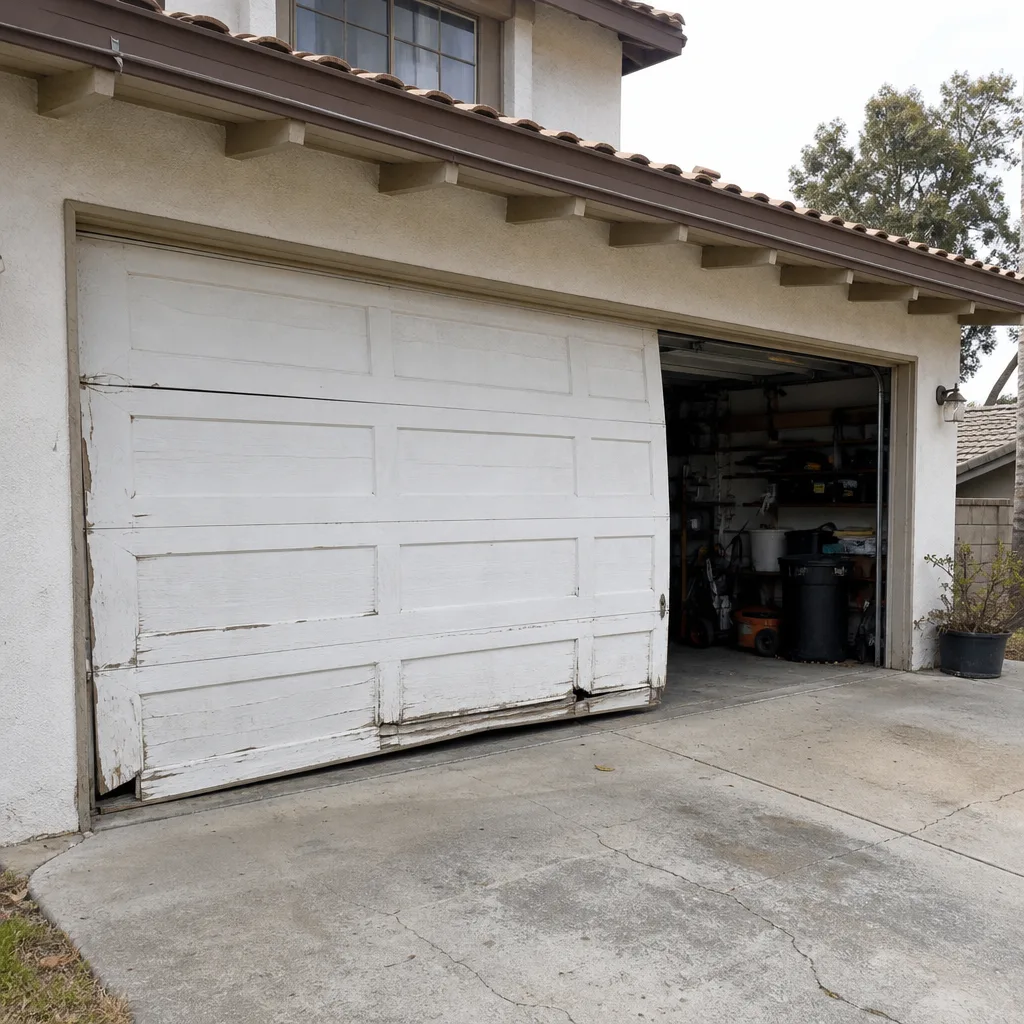 Before
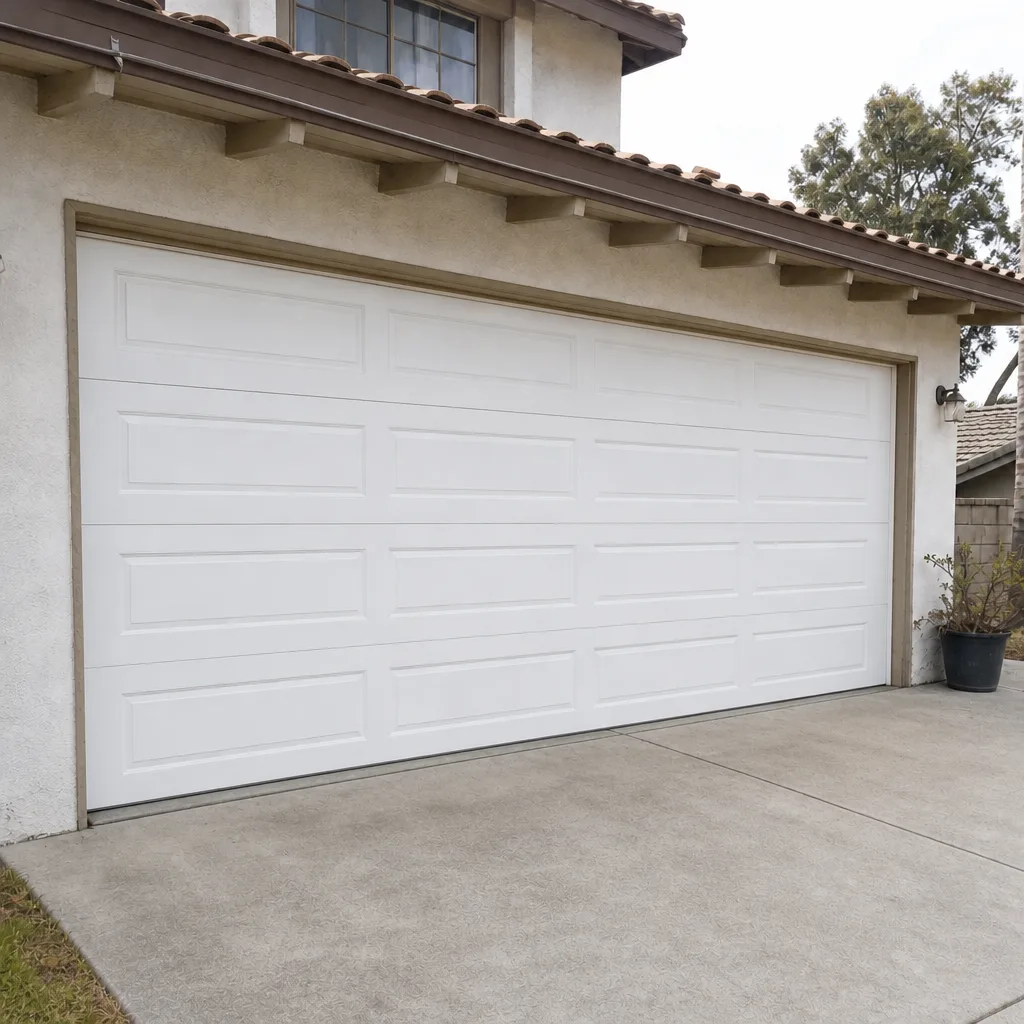 After
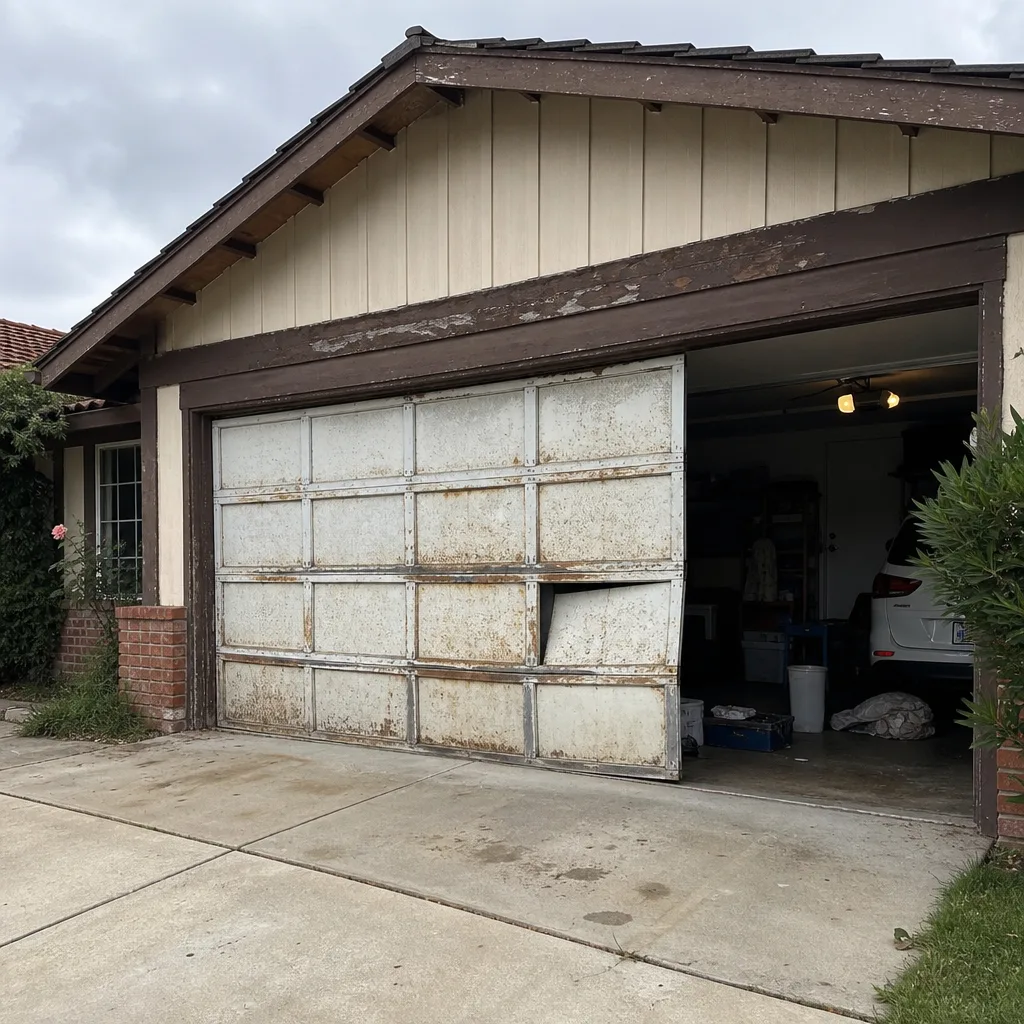 Before
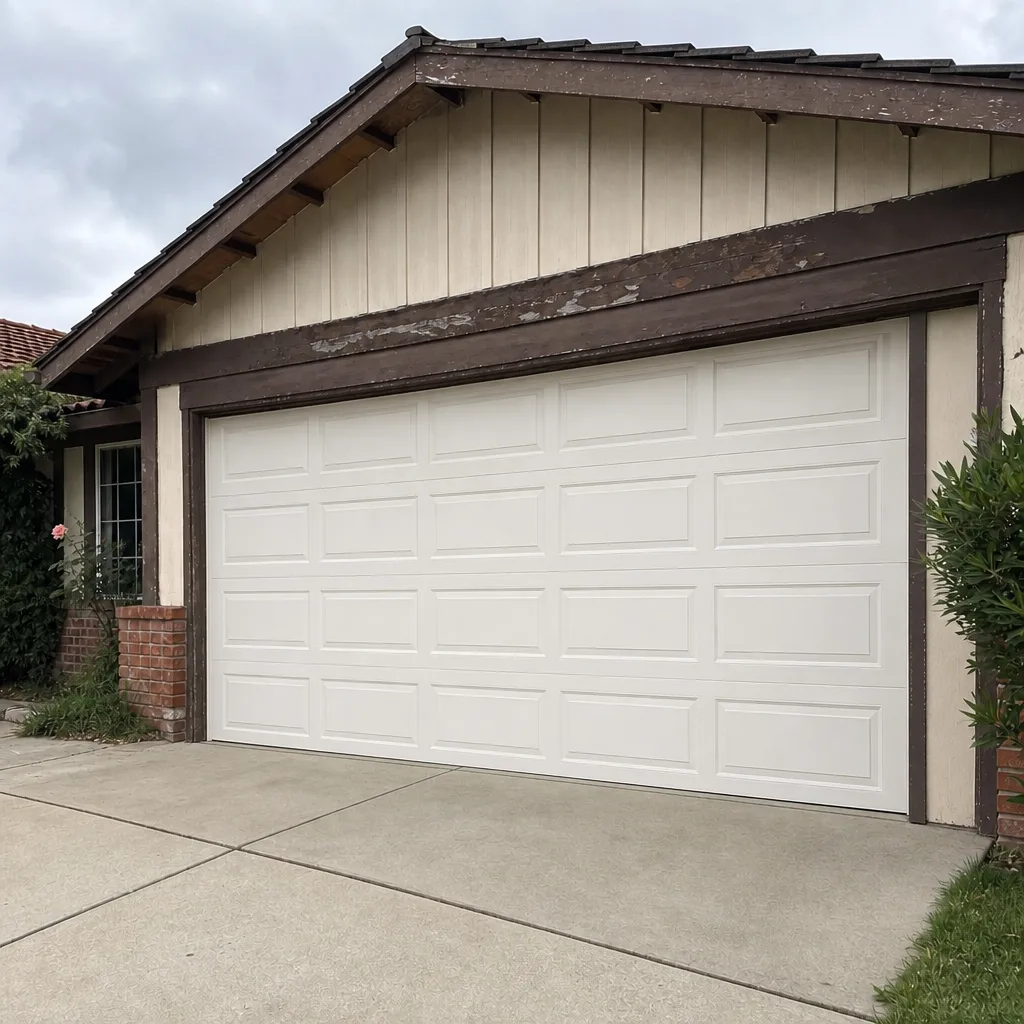 After
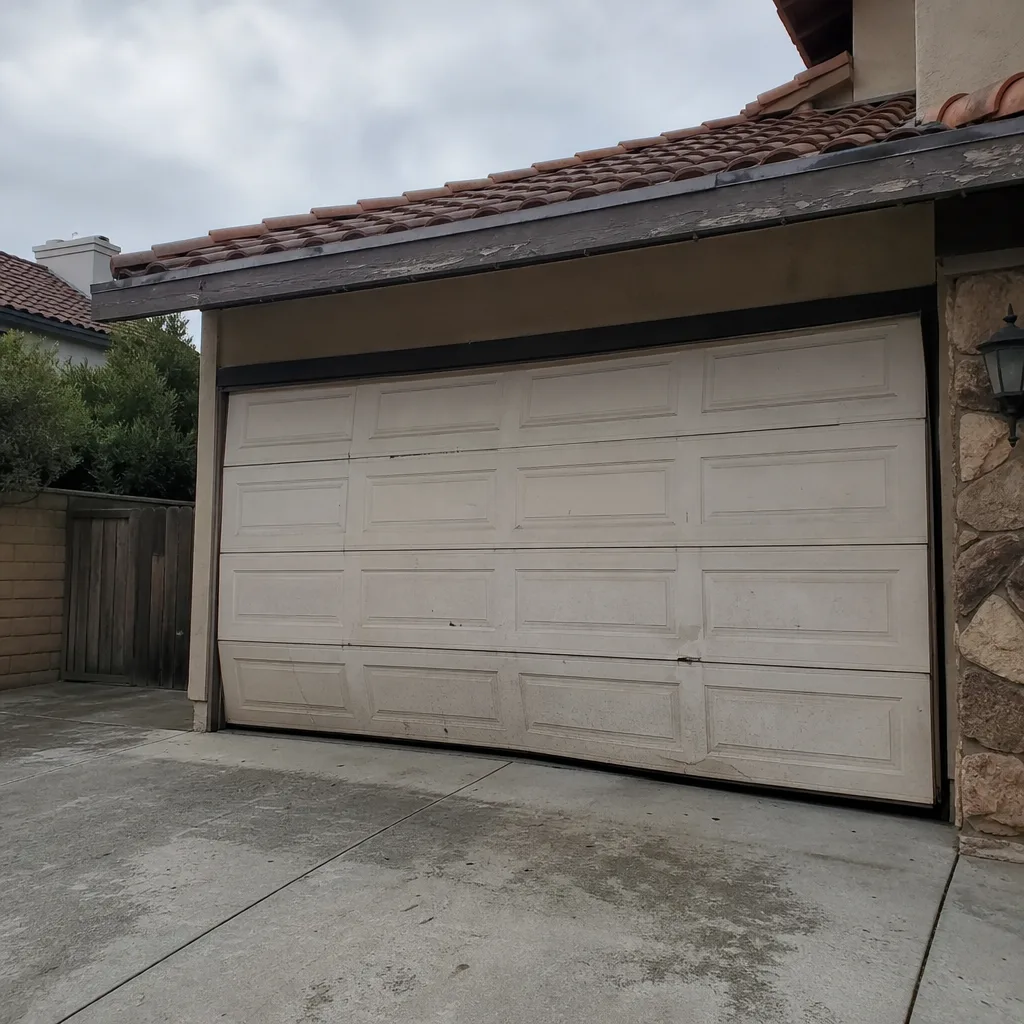 Before
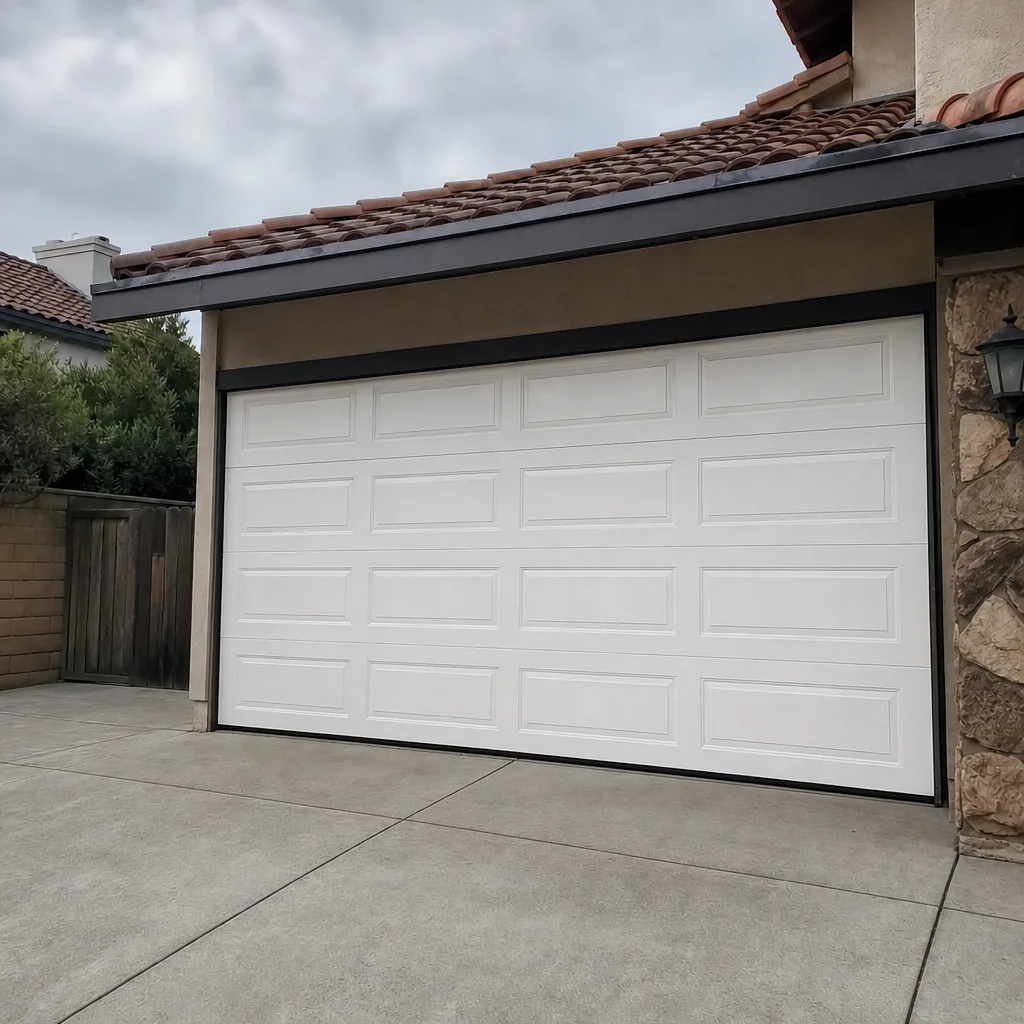 After
Frequently Asked Questions
Practice the manual release on your opener today, with the door closed, in daylight. Most Chino Hills garage door emergencies are power outages, and the manual release solves those without any equipment. If you do nothing else on this page, do that one thing.
Only if it has a battery backup installed, either integrated into the opener or added as a separate unit. A standard LiftMaster, Chamberlain, Genie, or Craftsman opener draws wall power and will not run in an outage. Without backup power, the solution is the manual release cord.
No, and you should not try. The spring carries the door’s weight, and a door with a broken spring can be extremely dangerous to lift – it may fall unexpectedly. If the spring is broken, leave the door closed and call for repair. This is one case where the emergency is not something to solve by hand.
For most Chino Hills homes, a battery backup opener is the more practical choice. It keeps the door working through short outages automatically, with no setup. A generator also works but requires running the generator and a cord to the opener, which is slower and more involved. If you already own a generator for other reasons, it is a fine backup; if you are buying something only for the garage door, the battery backup is the simpler answer.
Check both vertical tracks for bowing or bracket pull-away, check the horizontal tracks for level, and check the spring for a visible break or stretched coils. Even a small offset between the door and the weatherstripping on one side means the track has shifted, and running the opener can cause more damage. If anything looks off, call before operating the door.
Yes. The bottom seal and side weatherstripping are the primary gaps, and embers can be drawn under a door with worn seals. Replacing old weatherstripping and keeping the area inside the door clear of flammables are the two most effective steps. A newer steel door from Clopay, Amarr, or Wayne Dalton generally seals better than an older lightweight door.
For any of these situations, or to get a professional assessment of your current door and opener, call (877) 376-0803 for a free estimate. We answer 24/7. Fast dispatch from 7am to 7pm, Sunday through Friday.
The Bottom Line
Garage door emergency preparedness in Chino Hills is not about buying the most expensive opener or replacing a door that still works. It is about knowing how to operate the door without power, having a way to power the opener through an outage, and checking the door after the two events this region actually experiences – quakes and fires. The manual release is the single most underused and most valuable tool in the whole system, and it costs nothing to learn. A battery backup solves the outage problem, and a post-quake visual check prevents a dangerous derailment. If your door needs repair or you want a professional opinion on whether it is ready for the next outage, call (877) 376-0803 – we work with the brand you already have, and the estimate is free.
Written by the team at Pinecrest Garage Door, serving Chino Hills since 2018. We repair and install garage doors from Clopay, Amarr, Wayne Dalton, and Raynor, and service openers from LiftMaster, Chamberlain, Genie, and Craftsman.