
Last updated November 4, 2026
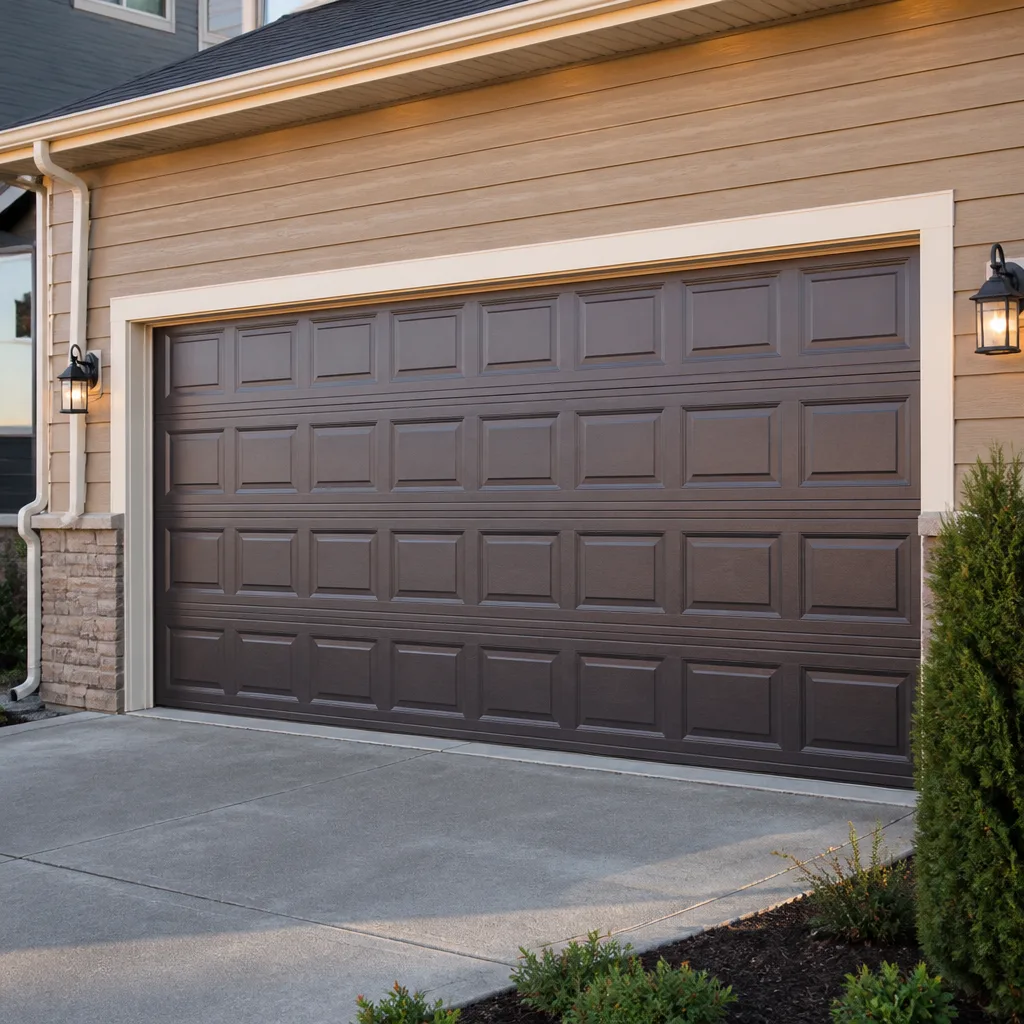 Raised-panel steel
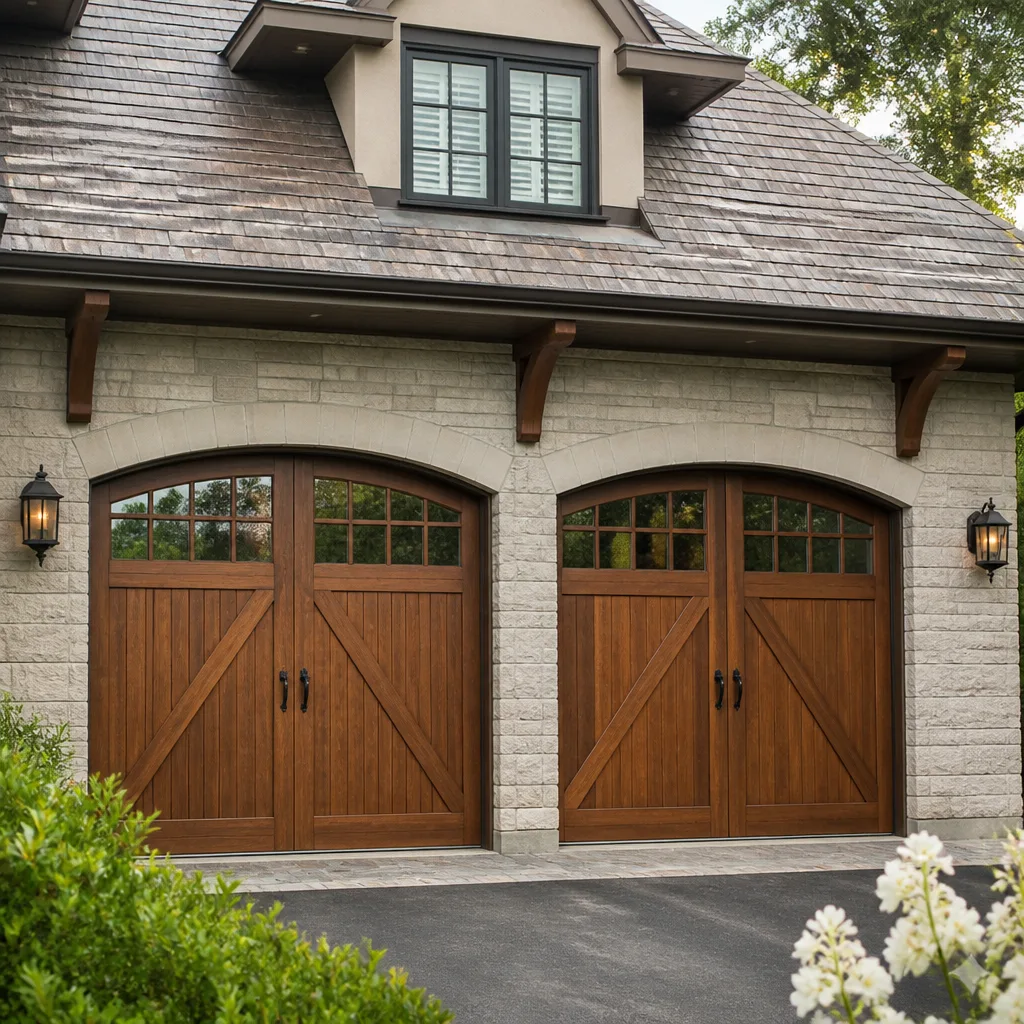 Carriage house
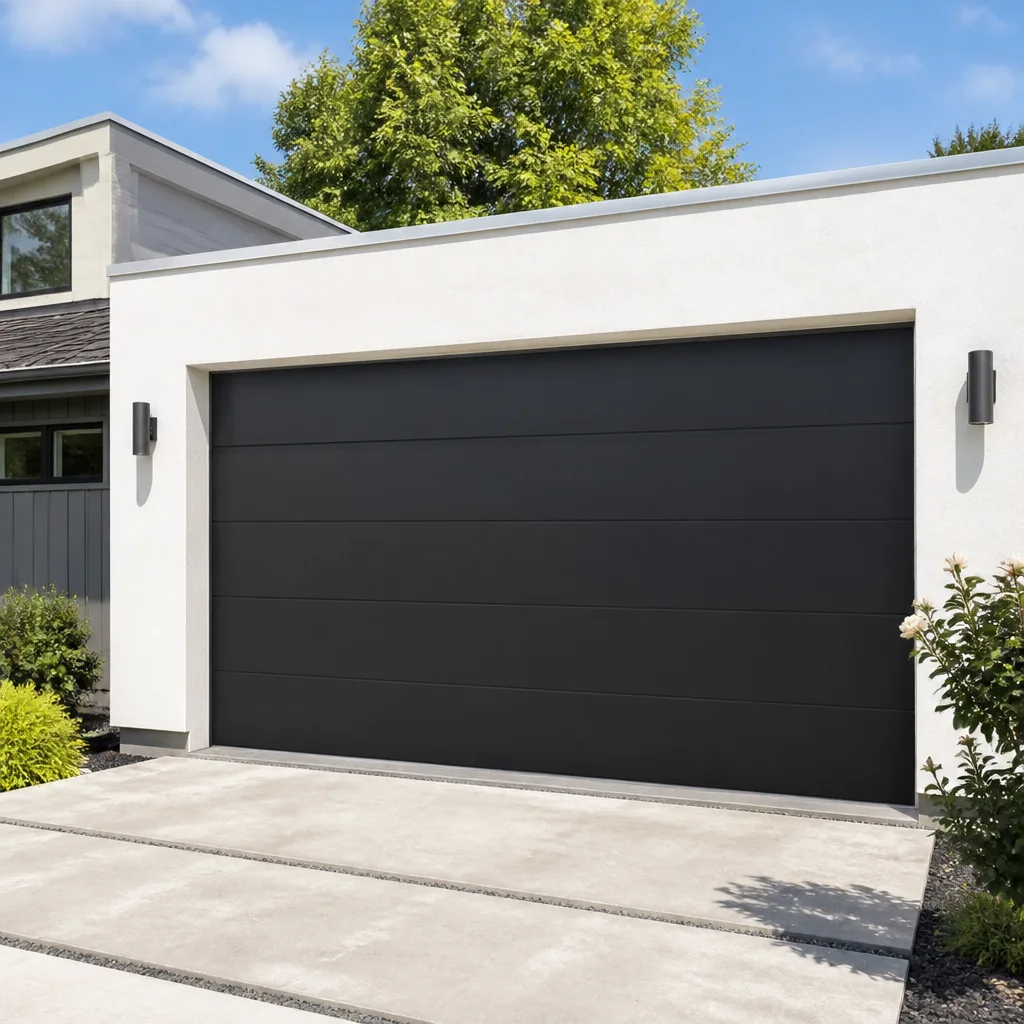 Modern flush
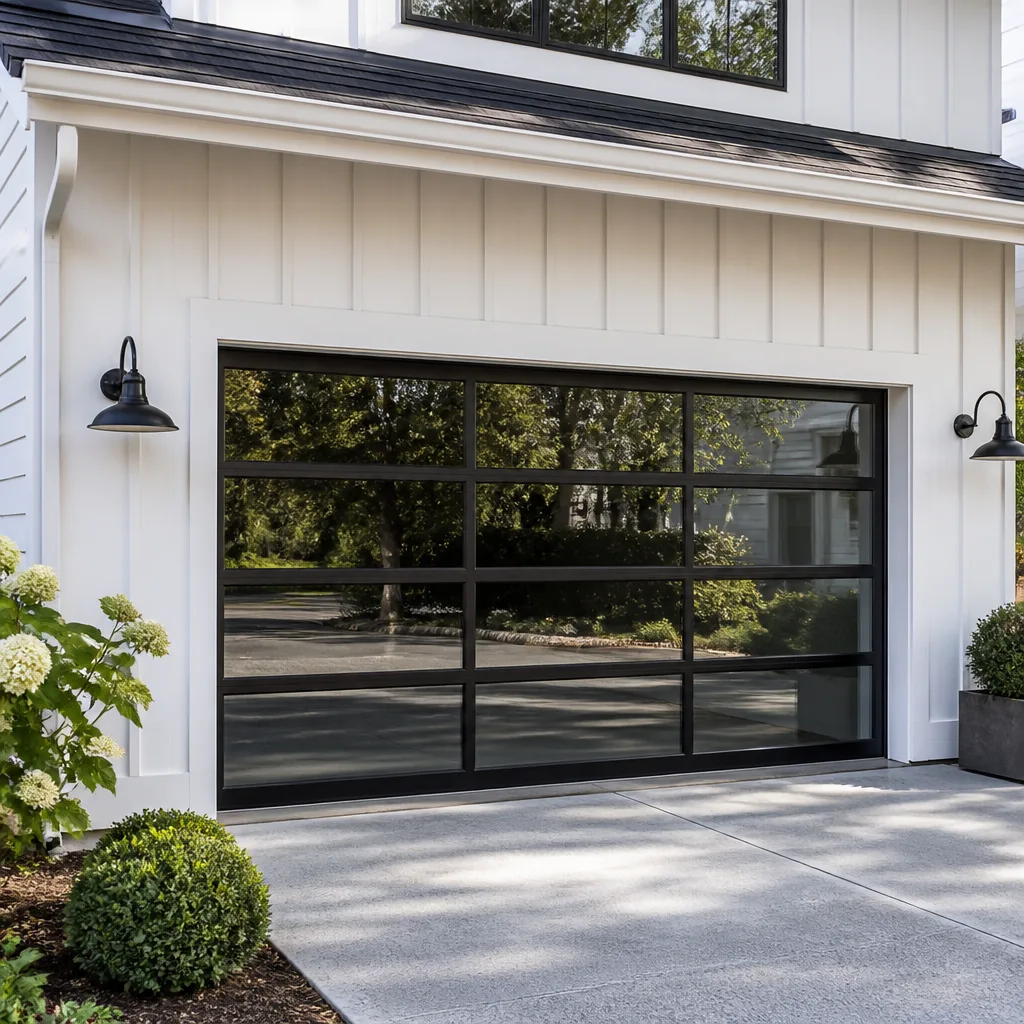 Full-view glass
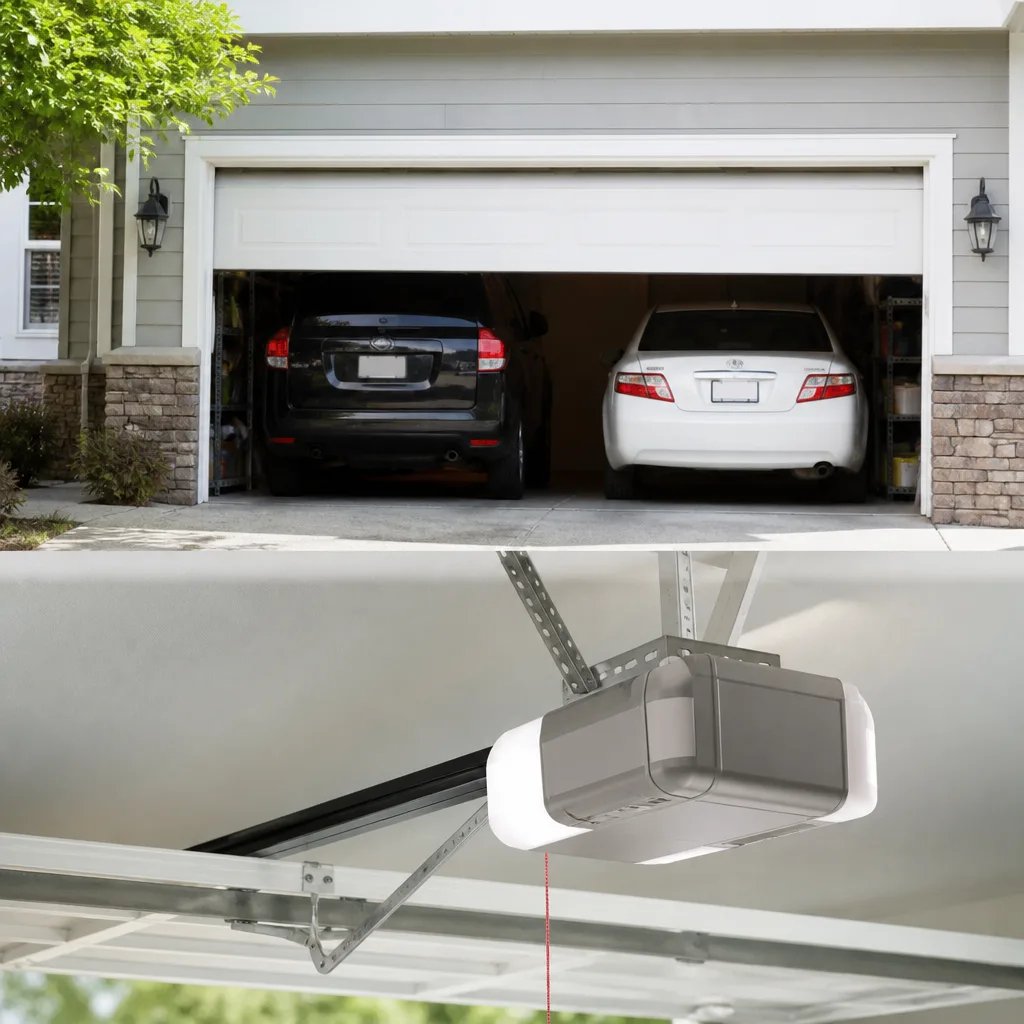 LiftMaster openers
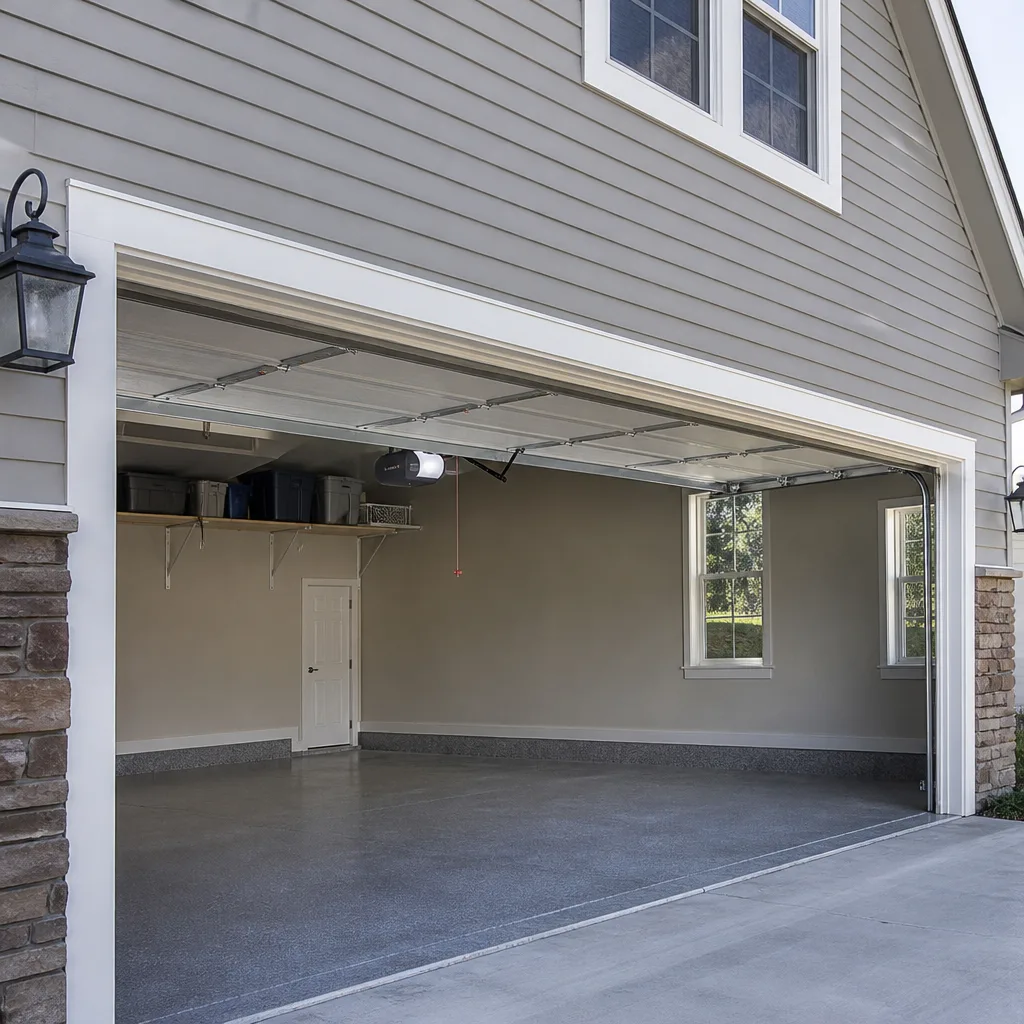 Chamberlain openers
Full 25-point door and opener safety check with every visit - springs, cables, rollers, tracks, and your LiftMaster or Chamberlain opener included
You get a price before we start. It does not change when the truck arrives.
Get your free estimateGarage Door Repair Maintenance Schedule: What to Do and When
A garage door used four times a day completes over 1,400 cycles a year. Most homeowners treat maintenance like a once-a-year checkbox, but that’s like changing your car’s oil once every 30,000 miles and calling it good. The truth is simpler and more useful: a maintenance schedule isn’t about doing more tasks. It’s about doing the right tasks at the right interval so small wear doesn’t compound into expensive failure. Most published schedules are either too vague or treat every door the same regardless of age, brand, or use frequency. This guide fixes that. We’ll walk through a cycle-based framework built for real households in Chino Hills, where dry heat and daily use shape how fast parts actually wear.
Quick Answer
A practical garage door maintenance schedule has four tiers: lubricate moving parts every 3 months, test safety features monthly, inspect springs, cables, and rollers every 6 months, and book a full professional tune-up once a year. High-use households (3 or more vehicles, frequent access) should compress that to lubricating every 6-8 weeks and scheduling a professional inspection twice a year. The exact intervals matter less than consistency, because most expensive failures start as small, visible wear you can catch early.
Styles & brands we work with
- Raised-panel steel
- Carriage house
- Modern flush
- Full-view glass
- LiftMaster openers
- Chamberlain openers
Table of Contents
- Why a Cycle-Based Schedule Beats a Calendar-Only Schedule
- Monthly Tasks: Safety Tests You Can Do in 5 Minutes
- Quarterly Tasks: Lubrication and Hardware Checks
- Semi-Annual: The Deep Inspection Most Homeowners Skip
- Annual Professional Tune-Up: What It Should Include
- Brand-Specific Maintenance: What Your Door Actually Needs
- How to Keep a Maintenance Log That Actually Helps
- Common Mistakes to Avoid
- When to Call a Professional
- Frequently Asked Questions
Why a Cycle-Based Schedule Beats a Calendar-Only Schedule
Every garage door spring has a rated cycle life. A standard torsion spring is typically rated for 10,000 cycles. A door that opens and closes four times a day hits roughly 1,460 cycles a year, which means that spring has about 7 years of life under normal use. But a household with three drivers, a home gym in the garage, or kids coming and going on bikes can easily hit 8 to 10 cycles a day. That’s 2,900 to 3,650 cycles a year, and the same spring now reaches the end of its rated life in under 4 years.
This is why calendar-only schedules fail. Two homes on the same street in Chino Hills can have wildly different wear patterns based on how many cars share the garage, whether the laundry is out there, and whether the garage doubles as a workshop. The door doesn’t know what month it is. It knows how many times it has moved.
Our approach at Pinecrest Garage Door is to match the maintenance schedule to actual usage. We recommend a baseline of lubrication every 3 months and a professional tune-up once a year. For high-use households, we compress that to lubrication every 6 to 8 weeks and a professional inspection twice a year. The goal is to catch wear before it becomes a broken spring at 7am on a workday.
Monthly Tasks: Safety Tests You Can Do in 5 Minutes
The monthly checklist is short, but these tasks catch the failures that injure people. Garage doors are heavy, and the safety systems exist for a reason. Testing them takes five minutes with no tools.
- Auto-reverse test: Place a roll of paper towels flat on the ground in the door’s path, then close the door. The door should reverse within 2 seconds of contact. If it doesn’t, stop using the opener and call for garage door opener repair immediately.
- Photo-eye test: With the door open, wave your foot across the beam between the two sensors near the floor, then press the close button. The door should refuse to close or should reverse. If the door keeps closing, clean the sensor lenses with a dry cloth and test again. Persistent failure means a sensor alignment or wiring issue.
- Balance check: Pull the emergency release cord (usually red) to disconnect the door from the opener, then manually lift the door to waist height. A balanced door stays put or drifts slowly. A door that slams down or shoots up has a spring tension problem that needs professional attention.
- Listen while operating: Open and close the door once. A grinding sound suggests dry rollers or worn hinges. A popping sound near the top suggests a spring issue. Don’t ignore new noises; they’re the earliest warning sign of mechanical wear.
These tests take five minutes once a month. In our experience in Chino Hills, most homeowners who call us for a broken spring or a failed opener hadn’t done a manual check in years. The monthly test is your cheapest insurance policy.
Quarterly Tasks: Lubrication and Hardware Checks
Lubrication is the most misunderstood maintenance task in the garage door trade. People either use the wrong product or lubricate the wrong parts. In Southern California’s dry, dusty climate, the right product choice matters more than frequency.
What to lubricate every 3 months
- Rollers: Apply a small amount of white lithium grease or a silicone-based garage door lubricant to each roller bearing. Don’t soak them; a light coat is enough. Excess lubricant attracts dust, which creates a gritty paste that accelerates wear.
- Hinges: A quick shot of lubricant on each hinge pivot keeps the door sections moving smoothly. Listen for squeaks; a quiet door is a lubricated door.
- Springs: For standard torsion springs, apply a light coat of garage door lubricant along the coil length. This reduces friction between coils and slows rust. For Wayne Dalton’s TorqueMaster system, the spring is enclosed in a tube and does not require external lubrication. More on that in the brand section below.
- Bearing plates: The bearing plates at each end of the torsion tube need a small amount of grease. A dry bearing plate causes the door to feel heavy and uneven.
What to avoid
Never use WD-40 as a primary garage door lubricant. It’s a solvent and water displacer, not a lubricant. It will strip away existing grease and leave the parts drier than before. Use a dedicated garage door lubricant or white lithium grease. Also, never lubricate the track itself. Rollers ride on bearings; the track should stay dry. Oiling the track just creates a sticky surface that collects dust and sand, which is a real issue in Chino Hills with our dry, dusty conditions.
Hardware check while you’re at it
While you’re lubricating, grab a socket wrench and check the tightness of the bolts on the hinges, brackets, and track mounting. Temperature swings and daily vibration loosen hardware over time. A loose track bracket can cause the door to bind, and a loose hinge can pull out of the door section. Tighten anything that moves when you press on it, but don’t overtighten; snug is the goal.
Semi-Annual: The Deep Inspection Most Homeowners Skip
Twice a year, take 20 minutes to look at the components that actually fail. This is the inspection that would catch 80% of the repair calls we run in Chino Hills if more homeowners did it. None of this requires tools beyond a flashlight and your eyes.
- Check the springs: Look at the torsion springs above the door. A healthy spring has an even gap between coils. If you see a gap that’s wider than the others, or a coil that looks stretched, the spring is near failure. For extension springs (the long springs along the horizontal track), look for signs of stretching or rust. Never touch a spring that shows visible damage. Call a professional.
- Inspect the cables: The cables lift the door and hold tension. Look for frayed strands, rust, or kinks. A frayed cable can snap without warning and release the door’s full weight. This is a serious safety issue. If you see any cable damage, stop using the door and call for garage door repair.
- Examine the rollers: Nylon rollers last 7 to 12 years. Steel rollers last 3 to 5 years in dry climates. Look for cracks, flat spots, or wobble. A roller that’s worn down creates resistance that strains the opener motor and the springs.
- Check the weather seal: The rubber strip along the bottom of the door keeps out dust, water, and pests. In Chino Hills, dry heat causes the rubber to crack and shrink. If you can see daylight under the door, replace the seal. It’s a 20-minute DIY job and it makes a real difference in keeping the garage clean.
- Look at the track alignment: The vertical and horizontal tracks should be straight and parallel. A bent track or a loose bracket causes the door to jerk or stick. Minor track adjustments are doable, but a badly bent track usually means replacement.
Do this inspection every 6 months for average use, or every 3 months if your door cycles more than 8 times a day. The pattern is the same: small wear, caught early, is a $20 fix. Missed wear becomes a $300 repair, and the difference usually comes down to whether anyone looked.
Annual Professional Tune-Up: What It Should Include
Once a year, have a professional technician go through the entire system. This isn’t the same as a DIY inspection. A trained eye catches subtle things, and a pro can safely handle the components that are dangerous to work on.
A complete professional tune-up should include:
- Spring tension adjustment: Springs lose tension over time. A pro can measure the balance and adjust the springs safely. This is not a DIY task; torsion springs are under high tension and can cause serious injury if mishandled.
- Opener force and travel limits: The opener’s force setting determines how hard it pulls. Too much force and the door won’t reverse properly. Too little and the door won’t close all the way. A technician calibrates both.
- Safety system verification: The auto-reverse and photo-eye systems are tested under controlled conditions. If the opener is more than 10 years old and the safety features are failing, the technician should explain replacement options honestly.
- Hardware torque check: Every bolt on every hinge, bracket, and track mount gets checked and tightened to spec.
- Cable and pulley inspection: Cables are checked for internal strand damage that can’t be seen from outside. Pulleys are checked for bearing wear.
- Roller condition assessment: A technician can tell you how much life is left in your rollers and whether replacement now is cheaper than a repair later.
At Pinecrest Garage Door, we work on all eight major garage door and opener brands, including LiftMaster, Chamberlain, Genie, Clopay, Amarr, Wayne Dalton, Craftsman, and Raynor. That matters because we’re not trying to sell you a specific brand. We work with the door you already have, and our tune-up recommendations are based on what your system actually needs, not what’s easiest for us to stock. Garage doors are all we do, which means the technician at your house is looking at your door with concentrated experience, not fitting it in between furnace repairs.
Brand-Specific Maintenance: What Your Door Actually Needs
Not all garage doors need the same care. The brand of door and opener you own affects what you should lubricate, what you should leave alone, and what’s likely to fail first. Here are the quirks we see most often in Chino Hills homes.
Wayne Dalton TorqueMaster vs. Standard Torsion
Wayne Dalton doors often use a TorqueMaster spring system, which encloses the spring inside a tube instead of exposing it on a bar above the door. The benefit is safety and a cleaner look. The trade-off is that you can’t visually inspect the spring, and you don’t lubricate it externally. The enclosed design requires different service procedures than a standard torsion spring, and many generalist handymen don’t know how to work on them. If you have a Wayne Dalton door, make sure whoever services it is familiar with TorqueMaster specifically. We are.
Chamberlain vs. LiftMaster Openers
Both brands are part of the Chamberlain Group, but their belt-tension checks differ. A LiftMaster belt-driven opener typically uses a different tension specification than a Chamberlain unit of the same horsepower, even though the motors share a platform. Genie openers use a different rail and carriage design that changes how you diagnose chain slack versus belt wear. We service the full Chamberlain Group ecosystem (LiftMaster, Chamberlain, Craftsman) as well as Genie, which covers the majority of openers installed in U.S. homes, including most of the units we see in Chino Hills.
Clopay and Amarr Door Sections
Clopay and Amarr doors are built well, but their steel sections use different paint systems. In Chino Hills, where summer UV is intense, a Clopay door with a polyurethane finish may hold up differently than an Amarr door with a baked-on enamel. Neither is wrong, but the touch-up and cleaning recommendations are different. When we install doors from Clopay, Amarr, Wayne Dalton, or Raynor, we provide brand-specific care guidance because the right advice depends on what’s actually on your house.
How to Keep a Maintenance Log That Actually Helps
Here’s the thing most maintenance guides never mention: the log is not for you. It’s for the next technician who works on your door, and for your future self when something breaks. When a spring snaps, the question isn’t just “how do I fix it.” The question is “how old is this spring and what else is about to go?”
A useful maintenance log needs five pieces of information:
- Date of service or inspection
- What was done (lubrication, spring replacement, roller replacement, opener adjustment)
- Who did the work (you, a specific company, or a technician’s name)
- Parts used (brand, model, or grade if known)
- Next due date (next lubrication, next inspection, next tune-up)
A spiral notebook taped to the wall inside the garage works perfectly. So does a note on your phone. The format matters less than the consistency. When a technician from Pinecrest Garage Door comes out for a repair in Chino Hills, the first thing we ask is “when was this last serviced?” A homeowner who can answer that question from a log instead of a guess saves us diagnostic time and saves themselves money.
Documentation also protects you if a manufacturer warranty claim comes up. Most door and opener warranties require proof of basic maintenance. If a Clopay door panel delaminates or a Genie opener motor fails, the manufacturer may ask for service records. A simple log with dates and notes is often enough to support a claim that would otherwise be denied for lack of evidence. Keep receipts for any parts you buy, and note the date next to the receipt.
Common Mistakes to Avoid
- Using WD-40 on everything: WD-40 is a solvent that strips lubricant. Use a dedicated garage door lubricant or white lithium grease. In Chino Hills dust, the wrong product creates a grinding paste that wears parts faster than no lubricant at all.
- Ignoring a door that’s slightly off balance: A door that’s heavy on one side or slow to lift is telling you the springs are wearing. Waiting until the spring snaps turns a $200 adjustment into a $400 spring replacement and possibly a damaged opener.
- Never testing the auto-reverse: The safety reverse system only matters the one time it’s needed. Testing it monthly takes five minutes. Not testing it is how a door that should have reversed causes an injury instead.
- Oiling the tracks: The track is not a friction surface. Oil on the track collects dust and makes the door operate worse. The rollers need lubrication; the track stays dry.
- Assuming all doors are the same: A Wayne Dalton TorqueMaster spring needs different service than a standard torsion spring. A Chamberlain opener has different belt-tension specs than a LiftMaster. Brand-specific knowledge matters.
- Skipping the semi-annual cable inspection: Cables can fray internally before showing external damage. A professional or a careful homeowner with a flashlight can spot early warning signs that save a lot of money and risk.
- Doing dangerous work without training: Torsion springs are under enough tension to cause serious injury or death if mishandled. Replacing or adjusting a spring is not a DIY job, ever. Call a professional who’s trained on the specific system you have.
When to Call a Professional
Some maintenance tasks are safe for a homeowner. Others are not. Any work involving torsion or extension springs, cables, or the opener’s internal components should be left to a trained technician. These parts are under high tension or connected to electrical systems, and the cost of a mistake is measured in injuries, not dollars. A broken spring, a frayed cable, a door that won’t reverse, or an opener that’s straining are all signs to stop using the door and make a call.
Beyond emergencies, an annual professional tune-up catches the wear that DIY inspections miss. It’s the single highest-value maintenance action you can take on a garage door. Pinecrest Garage Door provides three core services: garage door repair, garage door opener repair, and full garage door installation. From a broken spring to a full new door, repair or replace, we’ll tell you which one actually makes sense. We offer free estimates in Chino Hills, and we work with the brand you already have. Call (877) 376-0803. We answer 24/7. Fast dispatch from 7am to 7pm, Sunday through Friday.
Frequently Asked Questions
Every 3 months for average use, or every 6 to 8 weeks if your door cycles more than 8 times a day. Use a dedicated garage door lubricant or white lithium grease on the rollers, hinges, springs, and bearing plates. The dry, dusty conditions in Chino Hills mean excess lubricant attracts grit, so a light coat is better than a heavy one. If you’re not sure which product to use or which parts to lubricate, call (877) 376-0803 and we’ll walk you through it.
Most standard torsion springs are rated for 10,000 cycles, which translates to roughly 7 years at 4 cycles per day. High-use households with multiple drivers or frequent garage access can wear out springs in 3 to 4 years. The climate in Chino Hills doesn’t accelerate spring wear the way coastal humidity or extreme cold would, but daily cycle count is the real driver. If your door feels heavy or uneven, have the springs checked before they break.
Yes, for the monthly safety tests, quarterly lubrication, and semi-annual visual inspections described above. No, for anything involving springs, cables, or opener internals. Torsion springs are under high tension and can cause serious injury if mishandled. The safest approach is to do the simple tasks yourself and schedule a professional tune-up once a year for the dangerous parts.
Testing the auto-reverse safety system. Most people only discover it’s broken when something is in the path of a closing door. Test it monthly with a roll of paper towels. If the door doesn’t reverse within 2 seconds of contact, stop using the opener and schedule a repair.
Yes, in specific ways. Wayne Dalton TorqueMaster springs are enclosed and don’t require external lubrication, but they need a technician familiar with the system. Chamberlain and LiftMaster openers have different belt-tension specs despite sharing a parent company. At Pinecrest Garage Door, we service all eight major brands, including Genie, Clopay, Amarr, Wayne Dalton, and more, so your system gets the right care regardless of what’s installed.
The price depends on what the technician finds and what your system needs, and the exact estimate is provided in writing before any work starts. A basic tune-up is less expensive than a repair, and a repair is less expensive than a replacement. Call (877) 376-0803 for a free estimate. We answer 24/7, and the price is always quoted and agreed before we begin.
The Bottom Line
A garage door maintenance schedule doesn’t need to be complicated. Test the safety systems monthly. Lubricate quarterly. Inspect twice a year. Book a professional tune-up annually. If your household uses the garage heavily, compress the schedule. The goal isn’t to do more maintenance; it’s to do the right maintenance at the right time so a $20 roller replacement doesn’t become a $400 spring failure. Keep a simple log, use the right products, and know which parts are safe to touch and which aren’t. If you’re in Chino Hills and you want a professional to handle the dangerous stuff, Pinecrest Garage Door is here. Garage doors are all we do, and we work with the brand you already have.
Written by the team at Pinecrest Garage Door, serving Chino Hills since 2018.
See the difference
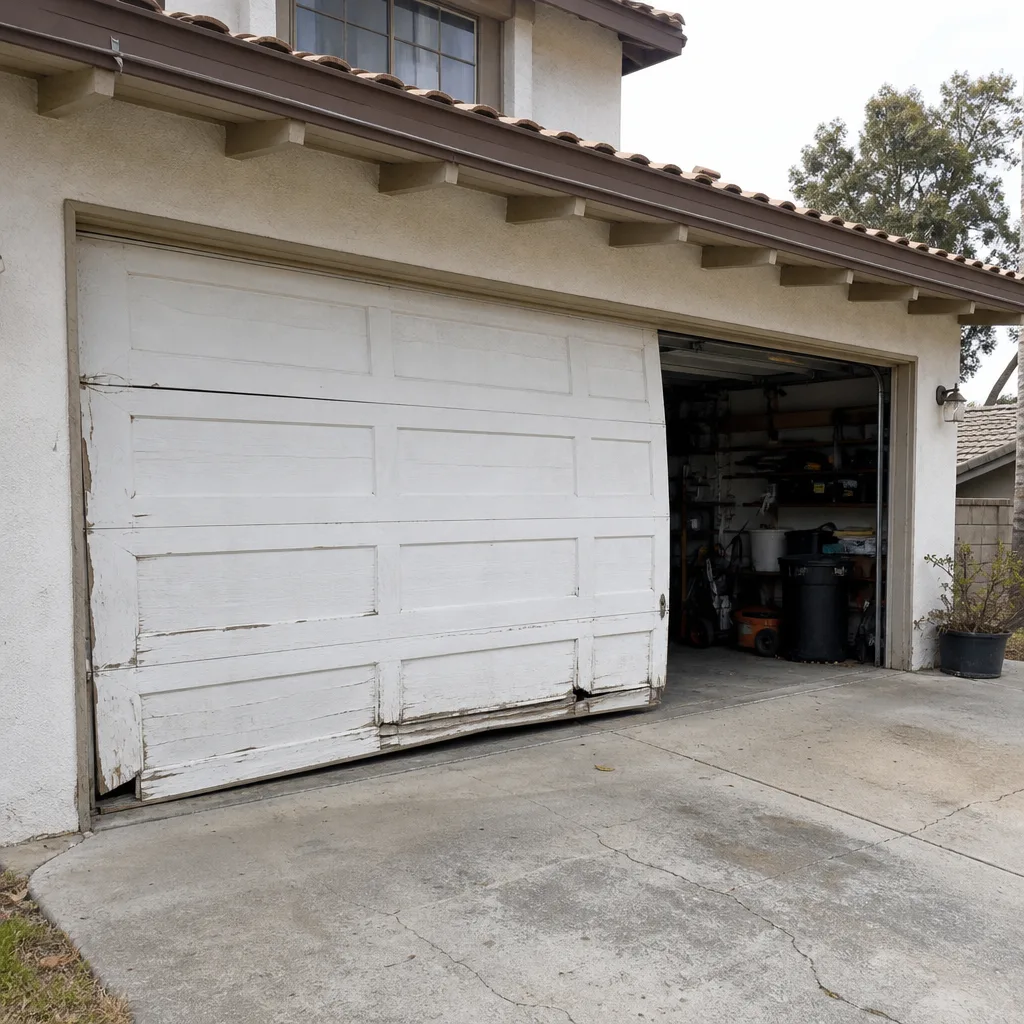 Before
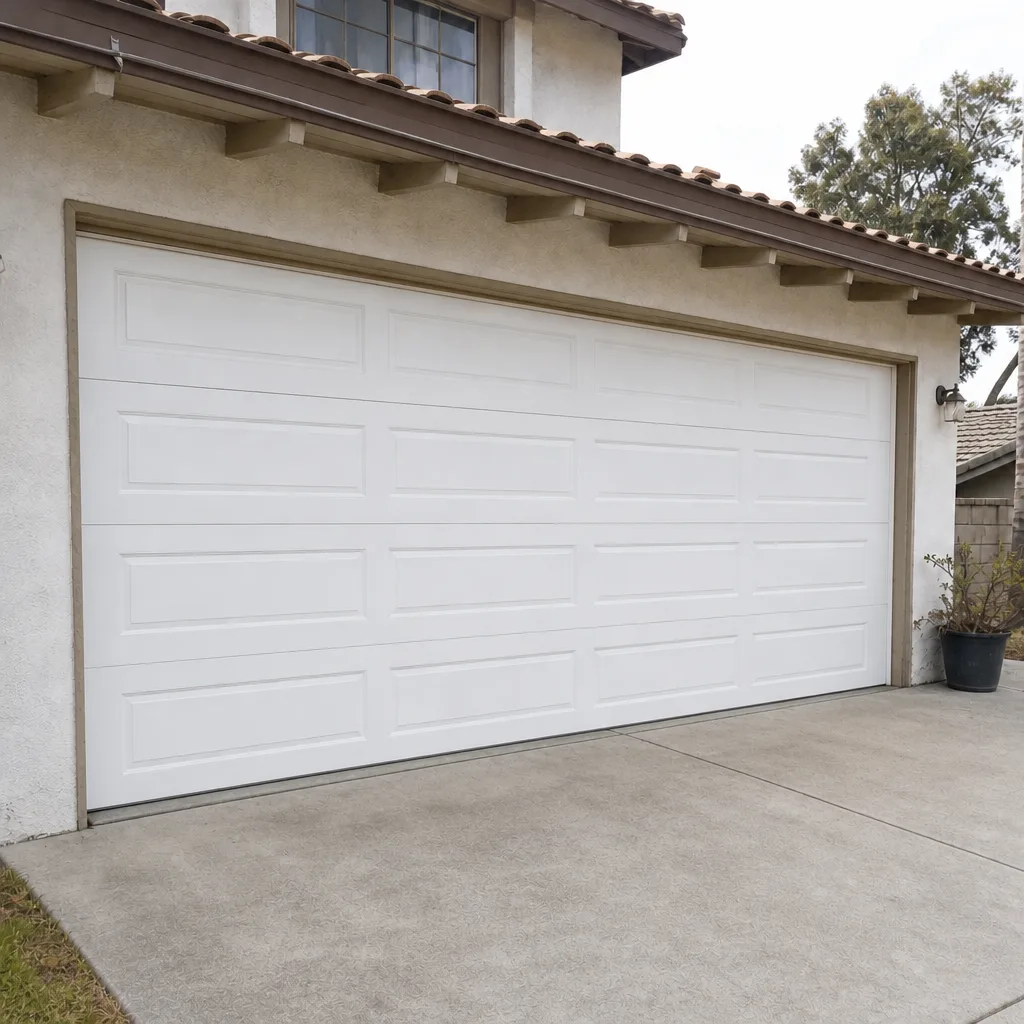 After
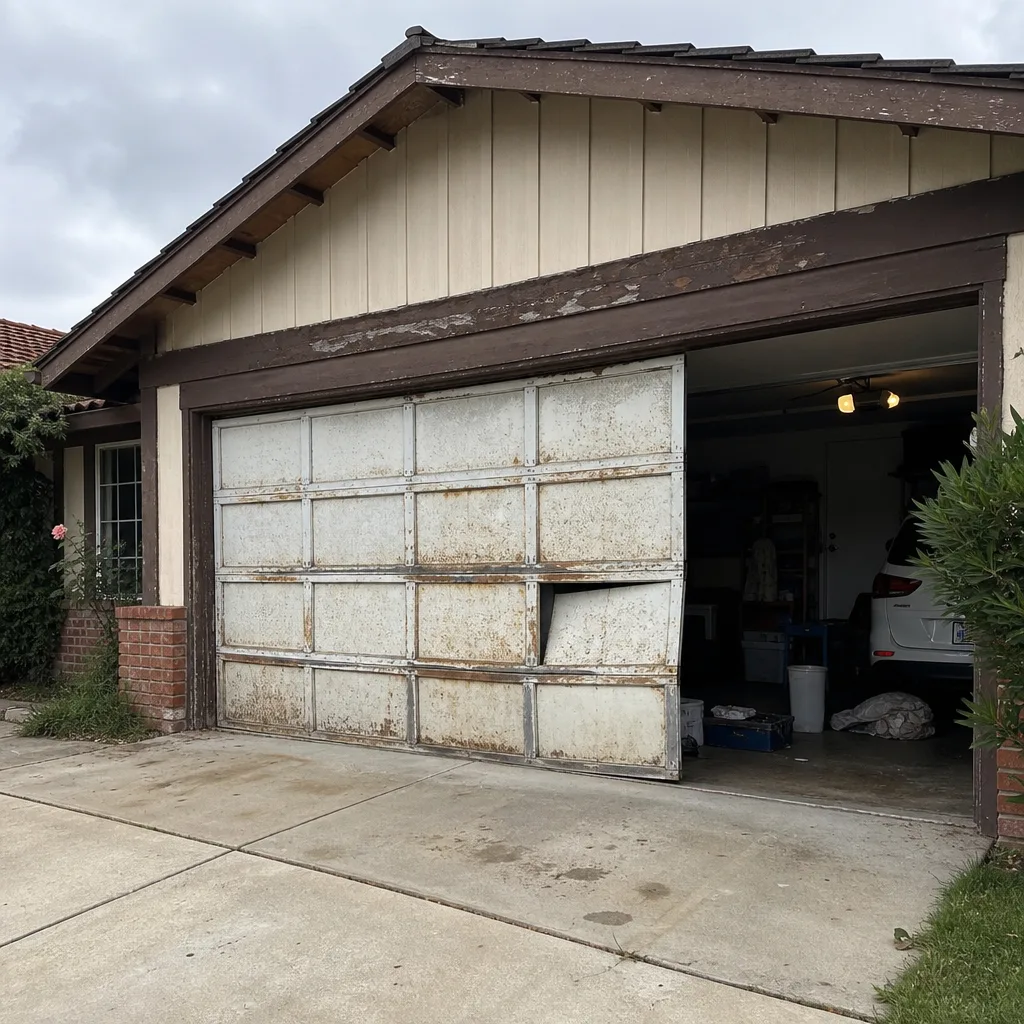 Before
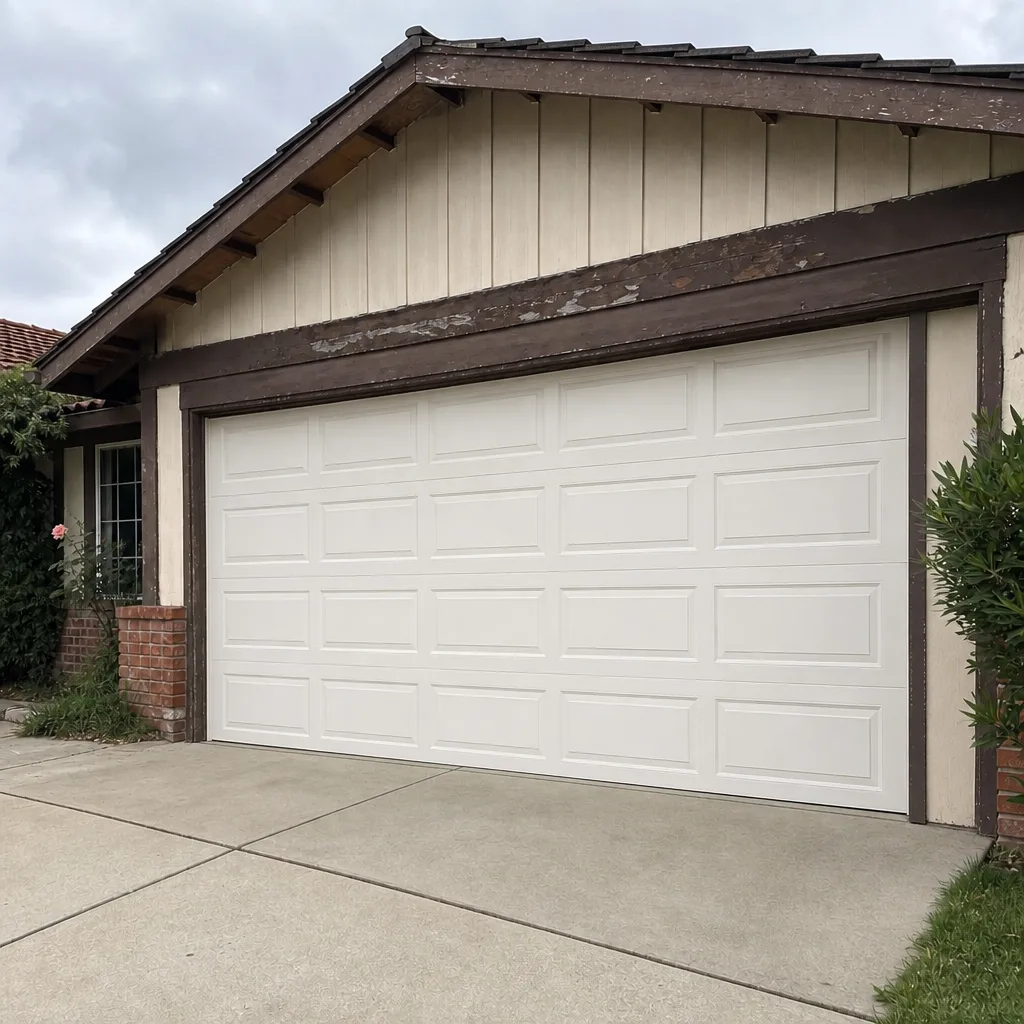 After
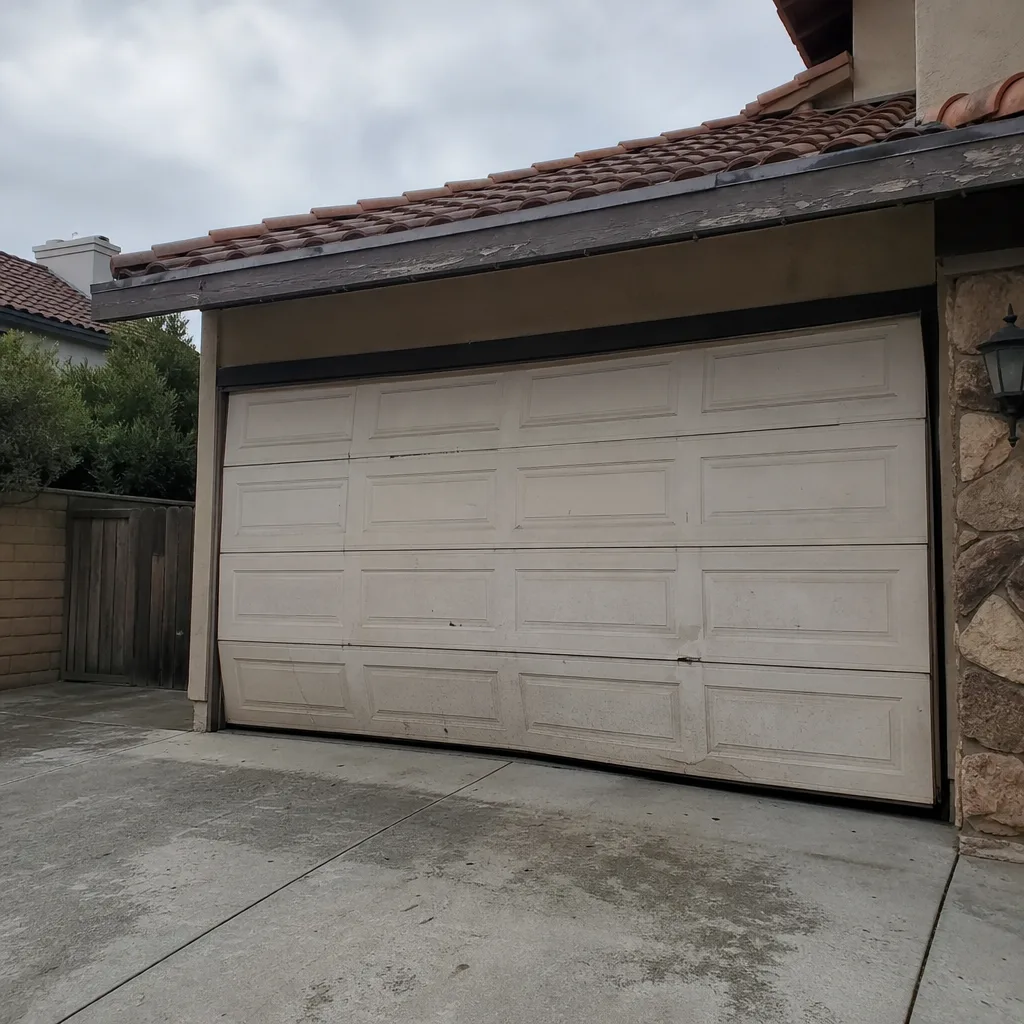 Before
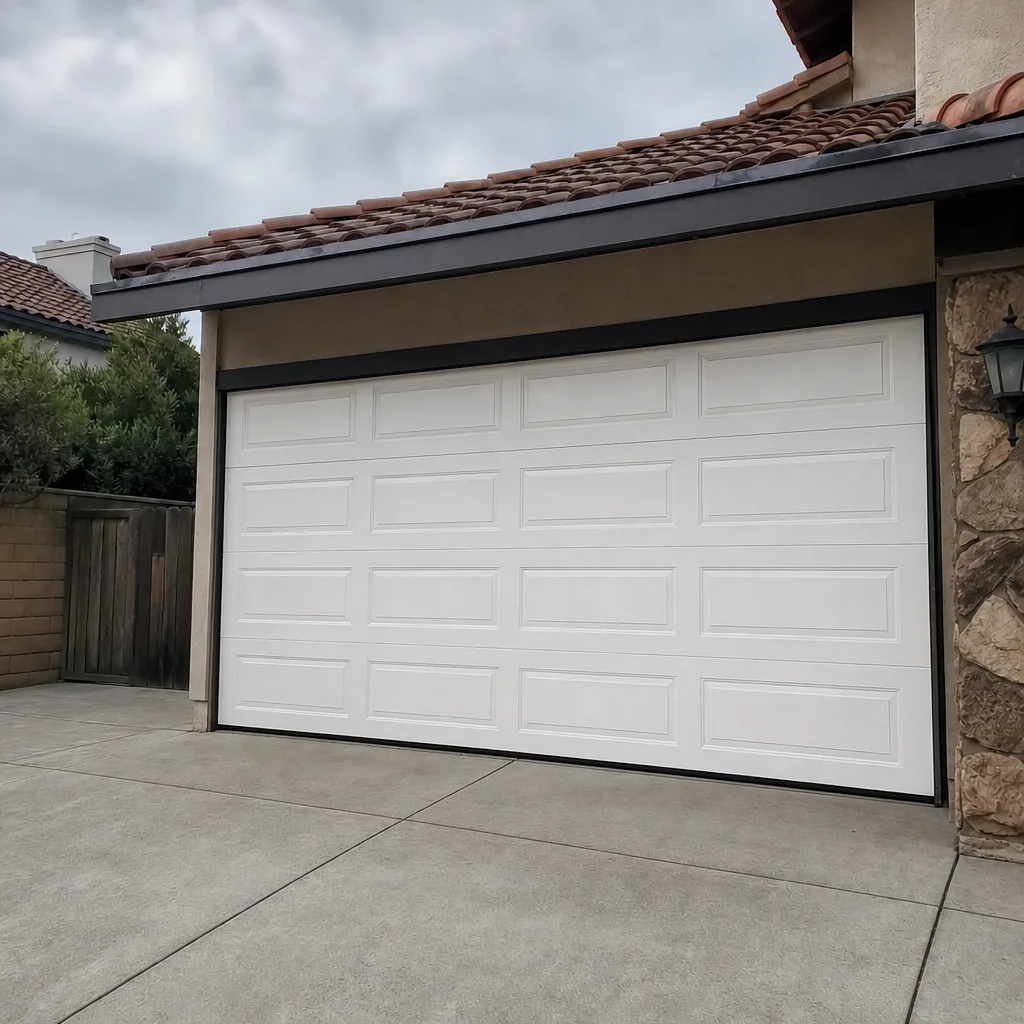 After