
Last updated November 4, 2026
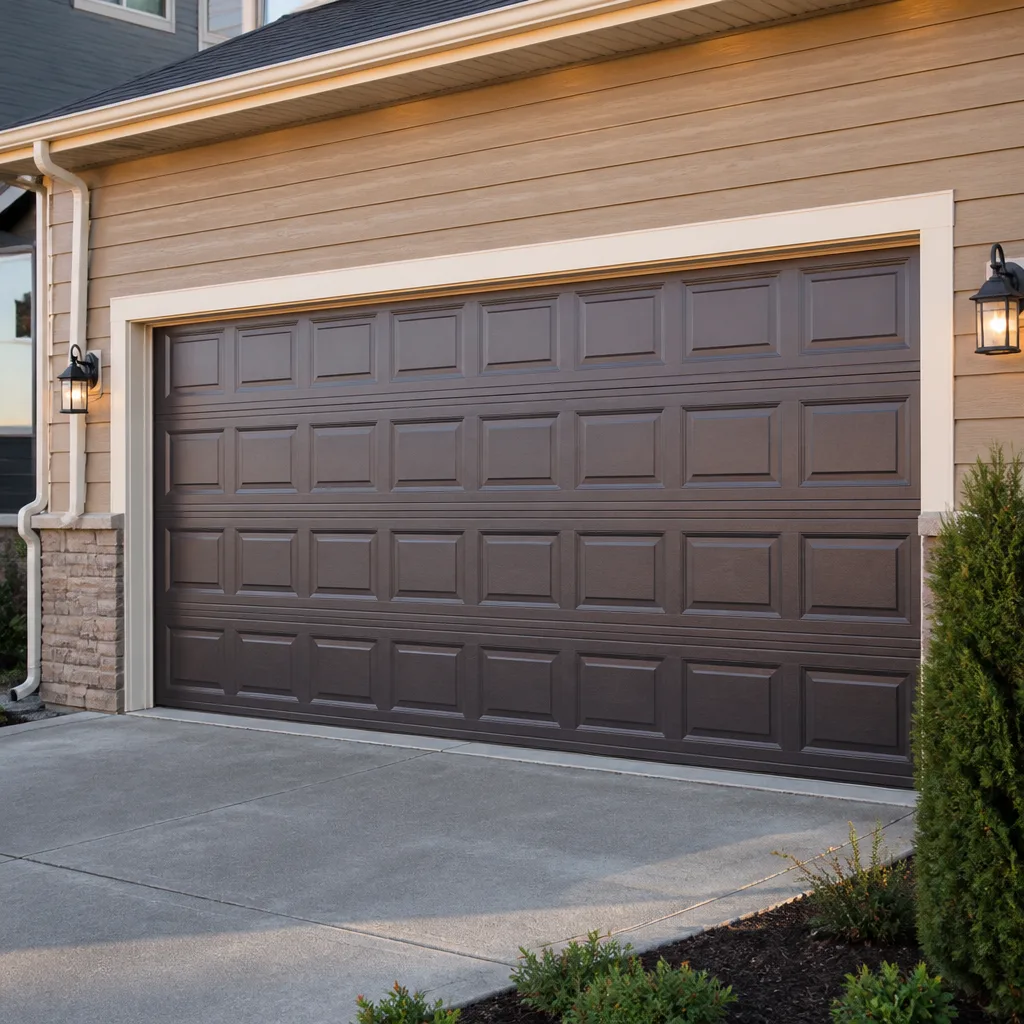 Raised-panel steel
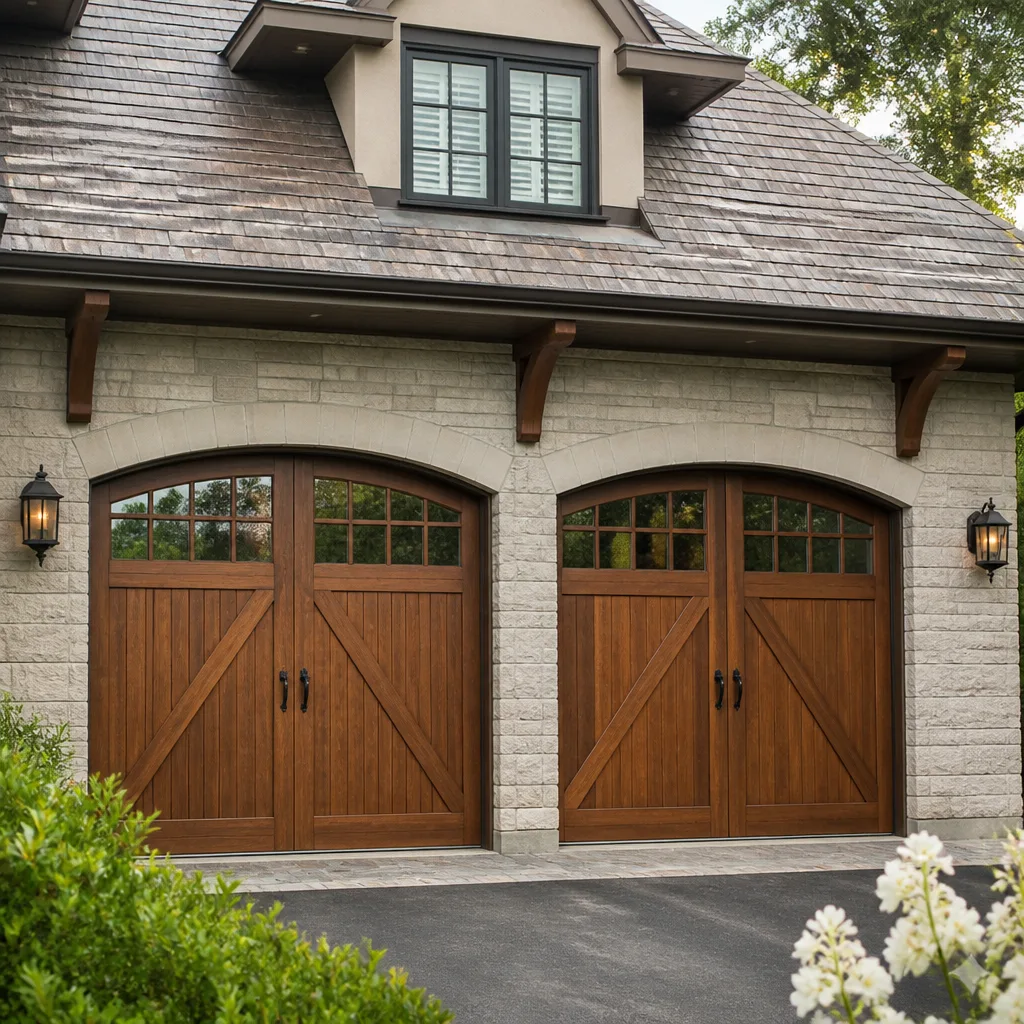 Carriage house
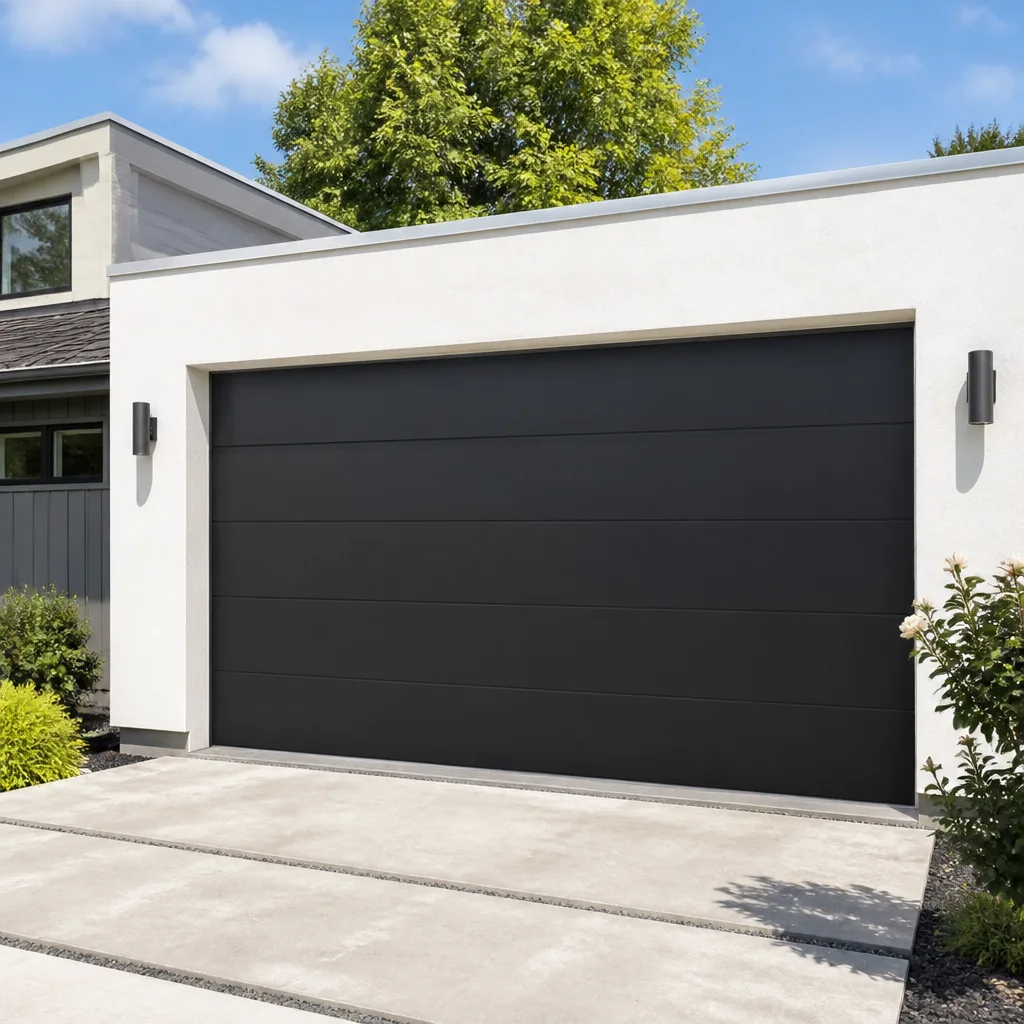 Modern flush
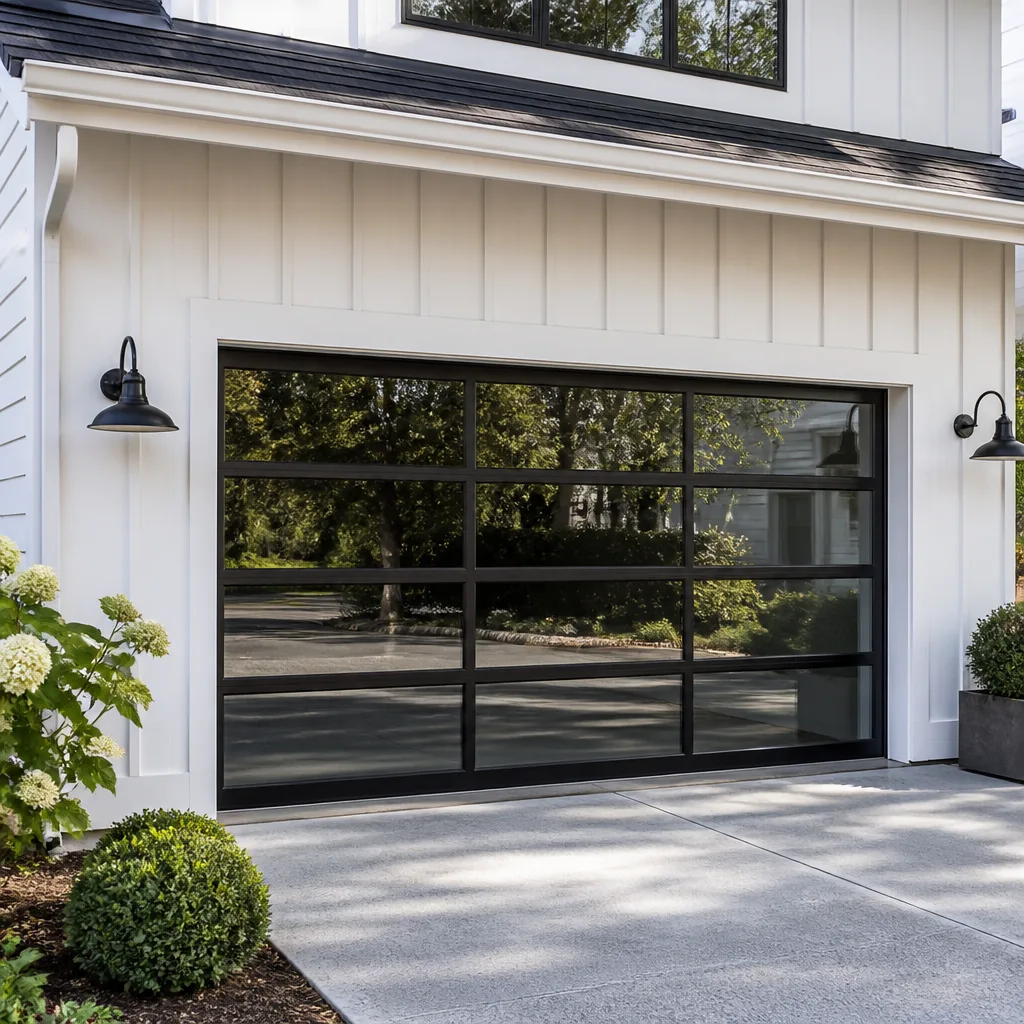 Full-view glass
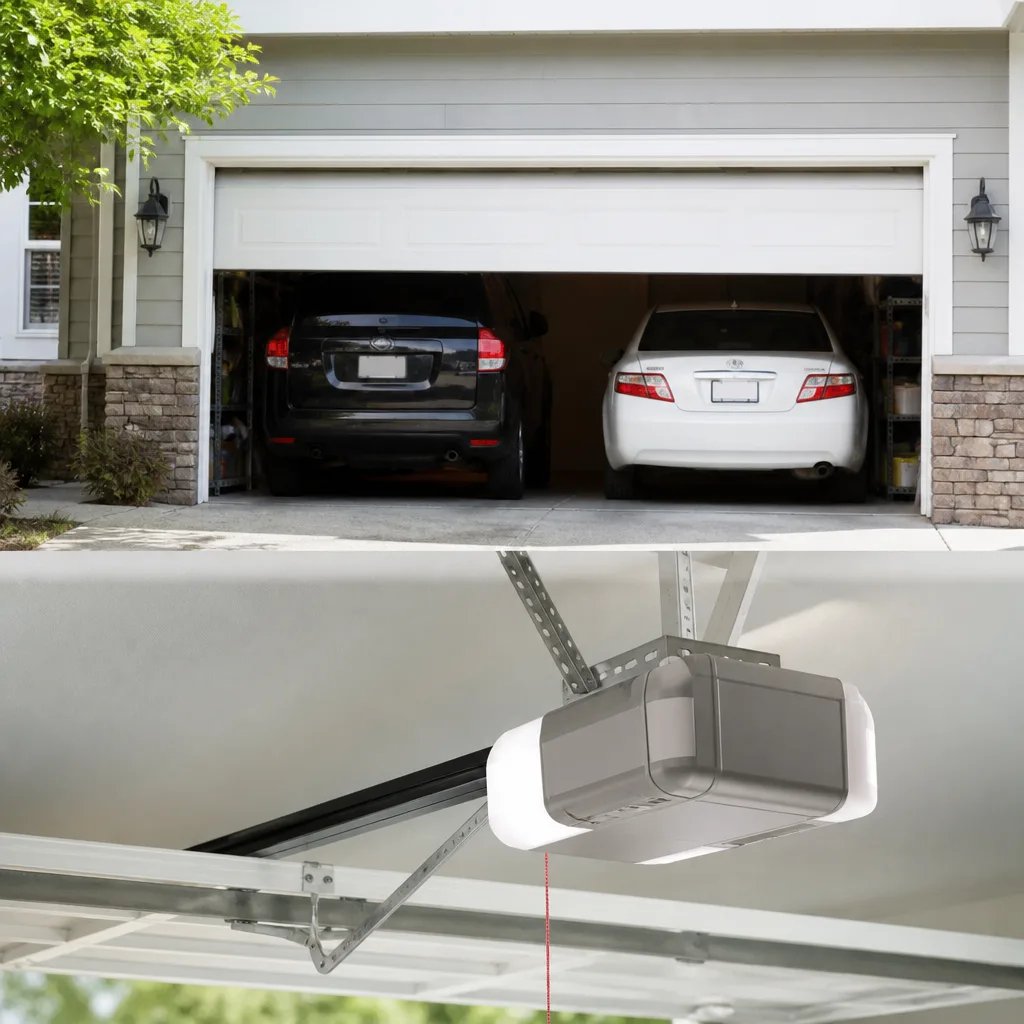 LiftMaster openers
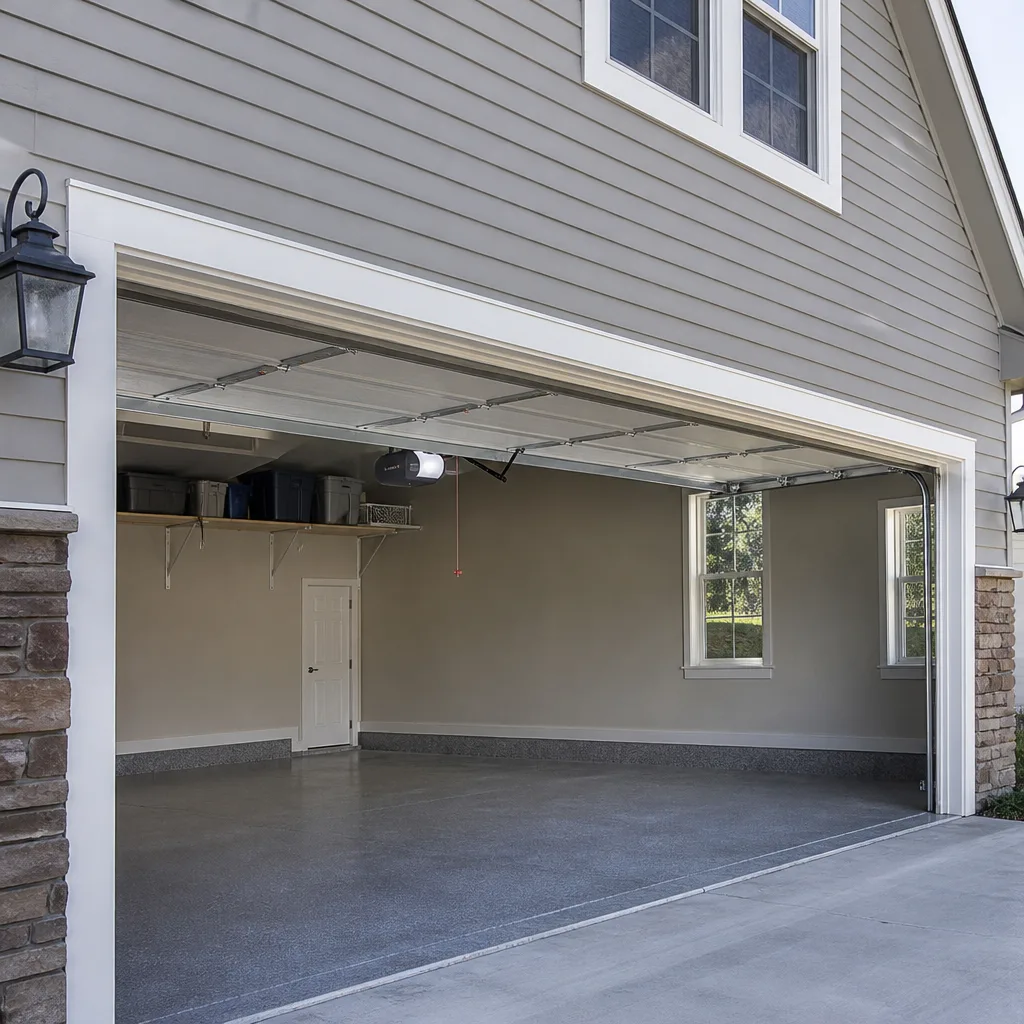 Chamberlain openers
Full 25-point door and opener safety check with every visit - springs, cables, rollers, tracks, and your LiftMaster or Chamberlain opener included
You get a price before we start. It does not change when the truck arrives.
Get your free estimateGarage Door Repair Maintenance Checklist for Chino Hills Homeowners
Here’s a counterintuitive fact most national maintenance guides won’t tell you: the same torsion spring that lasts 10,000 cycles in a coastal climate like Seattle can fail closer to 7,000 cycles in Chino Hills. Thermal cycling from cold desert nights to 95°F-plus afternoons puts constant expansion-and-contraction stress on metal components that milder, more stable climates never experience. This checklist isn’t a generic garage door inspection routine. It’s built around the specific failure patterns of the doors most commonly installed in Chino Hills tract and custom homes, so you know exactly what to look for on your actual door, not somebody else’s.
Styles & brands we work with
- Raised-panel steel
- Carriage house
- Modern flush
- Full-view glass
- LiftMaster openers
- Chamberlain openers
Quick Answer
A garage door maintenance checklist for Chino Hills homeowners should prioritize six areas: torsion spring wear from thermal cycling, lubricant breakdown in 100°F-plus heat, UV-damaged weatherstripping and bottom seals, opener gear and belt fatigue, roller and bearing degradation from dust, and track alignment shifts from seasonal expansion. Most of this takes under an hour twice a year, and the items that genuinely need a professional are limited to spring inspection and opener force testing. Focus your time on what actually breaks in this climate, not what a generic national guide tells you to check.
Table of Contents
- Why Chino Hills Is Different: Climate Stress You Won’t Find in National Guides
- The Springs First: What to Look For and What to Leave Alone
- Lubrication: Why Standard White Lithium Grease Is Often the Wrong Call Here
- UV Damage on Seals and Weatherstripping: The Chino Hills Accelerant
- Opener Systems: Brand-Specific Checks for LiftMaster, Chamberlain, and Genie
- Rollers, Tracks, and Bearings: What Dust and Heat Actually Do
- The Balance Test: The Simplest Diagnostic Most Homeowners Never Do
- Common Mistakes to Avoid
- When to Call a Professional
- Frequently Asked Questions
- The Bottom Line
Why Chino Hills Is Different: Climate Stress You Won’t Find in National Guides
Chino Hills sits inland, which means the climate patterns here don’t match what most garage door maintenance content assumes. We don’t get coastal fog keeping temperatures moderate, and we don’t get the deep freezes that Midwest and Northeast guides obsess over. What we get is sun, dust, and a temperature swing that works metal harder than most homeowners realize.
A steel garage door panel in Chino Hills can go from 40°F at dawn to 95°F by mid-afternoon during spring and fall. Metal expands when it heats and contracts when it cools. Every one of those cycles adds microscopic stress to hinges, brackets, and the door itself. Over years, that translates into loosened hardware, shifted tracks, and springs that fatigue faster than their rated cycle count suggests. National maintenance schedules don’t account for this because they’re written for places with gentler temperature curves.
Dust is the second factor nobody talks about. Chino Hills gets dry spells where fine particulate settles on everything, including the moving parts of your garage door. Dust mixes with lubricant to form a paste that accelerates wear on rollers and bearings. It also coats safety sensors, which can cause intermittent opener failures that are easy to misdiagnose as electrical problems.
The Springs First: What to Look For and What to Leave Alone
Springs are the most dangerous and most frequently replaced component on any garage door system. If you only take one thing from this guide, make it this: never attempt to remove, adjust, or replace a torsion spring yourself. These springs are under enormous tension. When one lets go, it can cause serious injury. What you can safely do is inspect them visually.
Here’s what to look for on your springs, in order of importance:
- Gap in the coil. A torsion spring that has snapped will show a visible separation, usually a two-inch gap between coil sections. If you see this, the door will not open manually or electrically, and you need a professional.
- Rust or corrosion. Surface rust isn’t always fatal, but it indicates the spring has been working in conditions that shorten its life. In Chino Hills, this is less common than in coastal areas, but older springs can still show it.
- Uneven spacing between coils. This suggests the spring has been stressed or is near the end of its serviceable life. Call for an inspection if you notice it.
- Squeaking or popping sounds during operation. This can mean the spring needs lubrication or that it’s binding on the shaft. If lubrication doesn’t resolve it, a technician needs to assess it.
Torsion springs are rated for a specific number of cycles, not years. A cycle is one full open-and-close. A lightly used door might do 3 cycles a day, while a busy household with a driveway-facing garage might do 10 or more. In Chino Hills, the thermal stress described above can reduce the effective life of a spring. When we replace springs, we always recommend replacing both if they’re a matched pair, because the second one is typically just as fatigued as the first.
Lubrication: Why Standard White Lithium Grease Is Often the Wrong Call Here
Here’s a mistake we routinely see in Chino Hills garages: white lithium grease caked onto rollers, hinges, and springs. This is the lubricant most national guides recommend, but in 100°F-plus conditions it breaks down. The carrier evaporates, leaving behind a tacky residue that attracts dust and actually increases friction. Once that paste forms, moving parts wear faster than if they’d never been lubricated at all.
For Chino Hills conditions, use a silicone-based or synthetic penetrating lubricant designed for garage doors. These stay stable at high temperatures and don’t attract dust the way grease does. Apply it sparingly to:
- Hinges at every pivot point
- Rollers where the stem meets the wheel (not the wheel itself)
- Bearing plates at either end of the torsion shaft
- Springs along the coil length
- Lock mechanisms if your door has one
Never lubricate the track itself. The rollers need friction to turn properly. If you lubricate the track, the rollers slide instead of roll, which flattens them over time and creates noise. This is one of the most common DIY errors we correct on service calls for garage door repair in Chino Hills.
UV Damage on Seals and Weatherstripping: The Chino Hills Accelerant
Chino Hills residents get a lot of direct sun, and UV exposure is brutal on rubber and vinyl. The bottom seal on your garage door, along with the weatherstripping around the frame, degrades faster here than it does in cloudier climates. The sun doesn’t have to be hot to cause the damage, though heat makes it worse. UV radiation breaks down the polymers in rubber over time, making the material brittle, cracked, and eventually useless.
Check these specific areas:
- Bottom seal (the rubber strip along the floor). Look for flattening, cracks, or gaps where light comes through. On a south-facing or west-facing door, this seal may need replacement every 2 to 3 years in Chino Hills, compared to 4 to 5 in milder climates.
- Side and top weatherstripping. Run your hand along these strips. If the rubber feels hard, crumbly, or no longer presses firmly against the door, it’s done. Sun-exposed sides degrade first.
- Threshold seal. If your garage has a concrete lip at the entrance with a rubber seal on it, check that too. It catches direct afternoon sun on most Chino Hills homes.
Replacing a bottom seal is a straightforward Sunday-morning job for most homeowners, if you have the right profile for your door. The tricky part is matching the T-channel or U-channel profile to your specific door brand. Amarr and Wayne Dalton doors often use different bottom seal profiles than Clopay or Raynor models. If you’re not sure, a technician can grab the right one from their truck on a service call.
Opener Systems: Brand-Specific Checks for LiftMaster, Chamberlain, and Genie
Most garage door opener repair calls in Chino Hills involve three brands: LiftMaster, Chamberlain, and Genie. LiftMaster and Chamberlain are built by the same parent company and share many components, while Genie uses a different architecture. Here’s what to check on each, because the failure patterns differ.
LiftMaster and Chamberlain
These openers dominate the Chino Hills market, particularly in tract-home communities. The most common failure points are the drive gears (on chain-drive models) and the travel modules. Listen for a grinding sound during operation, which indicates a worn gear. Also check the opener’s force settings: if the door reverses when it hits the floor and then reopens, the down-force is set too high, which often means the door isn’t balanced properly. Belt-drive Chamberlain and LiftMaster models are quieter but can develop belt slippage if the tensioner isn’t adjusted correctly.
Genie
Genie openers use a different carriage system, and the most frequent issue we see is a stripped carriage or a broken carriage release. If your Genie opener runs but the door doesn’t move, the carriage is usually the culprit. Genie systems also use optical encoders that can get confused if the travel limits are misprogrammed. If the door only opens partially or reverses erratically, a reprogram is often the fix rather than a mechanical failure.
Across all brands, check that the safety sensors on either side of the door are aligned and clean. In dusty months in Chino Hills, these lenses get coated with fine particulate that blocks the infrared beam, causing the door to refuse to close. A quick wipe with a dry cloth solves more opener problems than most people would ever guess.
Rollers, Tracks, and Bearings: What Dust and Heat Actually Do
Rollers have a hard life in Chino Hills. Steel rollers with no bearing wear out quickly because they rely on a metal-on-metal pivot that heat and dust can seize. Nylon rollers with sealed ball bearings last longer and run quieter, which matters a lot when the garage is under a bedroom, which is common in two-story Chino Hills floor plans.
Look for these signs during your inspection:
- Wobble. If a roller visibly shakes as the door moves, the bearing is wearing out.
- Flat spots. These show up as a rhythmic bump-bump-bump when the door moves. The roller is no longer round and is dragging on the track.
- Worn or chipped nylon. On nylon rollers, the outer wheel can crack from repeated thermal cycling and begin to break apart.
- Loose track brackets. The expansion and contraction we mentioned earlier loosens the bolts that hold track to the wall. Check that brackets are snug against the jamb and that the track itself isn’t visibly kinked or bent.
Track alignment is worth a closer look every six months. Stand back and sight down the track from the top of the door. Both vertical sections should be plumb and both horizontal sections parallel. If anything looks angled, don’t try to bend it back. Track repair requires releasing tension from the springs professionally so no one gets hurt.
The Balance Test: The Simplest Diagnostic Most Homeowners Never Do
Your garage door should be balanced, which means the springs are doing their job. When a door is properly balanced, you can open it manually about halfway and it should stay there without drifting up or slamming down. This test takes 30 seconds and tells you more about the health of your springs than any visual inspection.
Here’s the procedure:
- Close the garage door.
- Pull the emergency release cord, usually a red handle hanging from the opener rail. This disconnects the door from the opener.
- Lift the door manually to waist height, about halfway.
- Let go carefully.
If the door stays where you left it, your springs are doing their job. If it drops, the springs have weakened and the opener is working harder than it should to lift the door. If it shoots upward, the springs are overpowered for the door weight, which can also cause premature wear. Either imbalance means the opener motor is absorbing stress it wasn’t designed for. Get the springs assessed before the opener burns out or a spring breaks entirely.
Common Mistakes to Avoid
- Using white lithium grease on everything. In Chino Hills heat, it turns to paste and attracts dust. Use silicone or a garage-door-specific synthetic lubricant instead.
- Ignoring a noisy door. Noise is the earliest warning sign of roller wear, dry hinges, or a stressed spring. By the time a door is silent again because a spring snapped, the repair is urgent and unavoidable.
- Lubricating the tracks. This causes rollers to slide instead of roll, flattening them over time. Lubricate the roller bearings, never the track surface.
- Tightening the springs yourself. Torsion springs are under lethal tension. Even a well-intentioned adjustment can cause serious injury. This is the one task that always belongs to a trained professional.
- Replacing one spring instead of the pair. When springs are installed as a matched set, the second one has the same cycle count as the failed one. Replacing only one means doing the whole job again months later.
- Ignoring the balance test. An unbalanced door shortens the life of both your springs and your opener. The 30-second test above can save you hundreds in future repairs.
When to Call a Professional
Some things on this checklist are genuinely DIY-friendly: cleaning sensors, wiping tracks, testing balance, inspecting seals. But several situations need a trained technician immediately. If a spring has snapped, do not try to open the door manually. If the door is off its tracks, stop using the opener and leave the door closed. If the opener is running but the door isn’t moving, the carriage or gear system has failed. If you hear grinding, popping, or any sound that suggests metal under stress, stop operating the door and call someone.
Pinecrest Garage Door offers free estimates in Chino Hills. Call (877) 376-0803. We answer 24/7. Fast dispatch from 7am to 7pm, Sunday through Friday.
Frequently Asked Questions
Twice a year is right for Chino Hills. Schedule one check in spring and one in fall, when the temperature swings are most extreme. The inspection takes 30 to 45 minutes and covers springs, rollers, seals, track alignment, and opener function. If your door is heavily used or faces south or west, check the bottom seal and weatherstripping a third time in late summer.
Use a silicone-based or synthetic garage-door lubricant that stays stable above 100°F. White lithium grease breaks down in Chino Hills heat, leaving a sticky residue that attracts dust. Spray the hinges, roller stems, bearing plates, and springs sparingly. Call (877) 376-0803 if you need help identifying the right product for your specific door.
No. Torsion springs are under high tension and can cause severe injury if mishandled. Even extension springs require proper safety cables and specific tools. This is a job for a trained professional with the right equipment. We work with the spring brand you already have, so you don’t need to source anything yourself.
On a Genie opener, the most common cause is a stripped carriage. On LiftMaster or Chamberlain models, it’s usually a worn drive gear. On all brands, check first that the emergency release cord hasn’t been pulled and left disconnected. If it’s connected and the opener still runs without moving the door, the problem is internal and needs garage door opener repair.
Look for visible daylight under the closed door, plus cracks or brittleness in the rubber. In Chino Hills, UV exposure can destroy a bottom seal in 2 to 3 years, especially on south and west-facing doors. If light comes through or the rubber doesn’t compress evenly against the floor, it’s time for a new seal matched to your door’s profile.
Stop using the door immediately. Do not run the opener or try to force the door back into place. The door is under spring tension, and attempting a DIY fix can injure you and damage the panels. Call (877) 376-0803 for an assessment. We answer 24/7, and fast dispatch runs from 7am to 7pm, Sunday through Friday.
The Bottom Line
Garage door maintenance in Chino Hills is not a generic routine. The heat, dust, and thermal cycling of this climate create specific failure patterns that national guides miss. Check your springs first, use the right lubricant for high heat, inspect seals for UV damage before they fail, test opener function by brand, and never skip the balance test. Most of this is safe to do yourself, but springs and track adjustments belong with a professional. A focused 45 minutes twice a year will extend the life of your door and opener more than any impulse repair ever will.
Call Pinecrest Garage Door at (877) 376-0803 for a free estimate on any repair or replacement. We answer 24/7. Fast dispatch from 7am to 7pm, Sunday through Friday.
Written by the team at Pinecrest Garage Door, serving Chino Hills since 2018.
See the difference
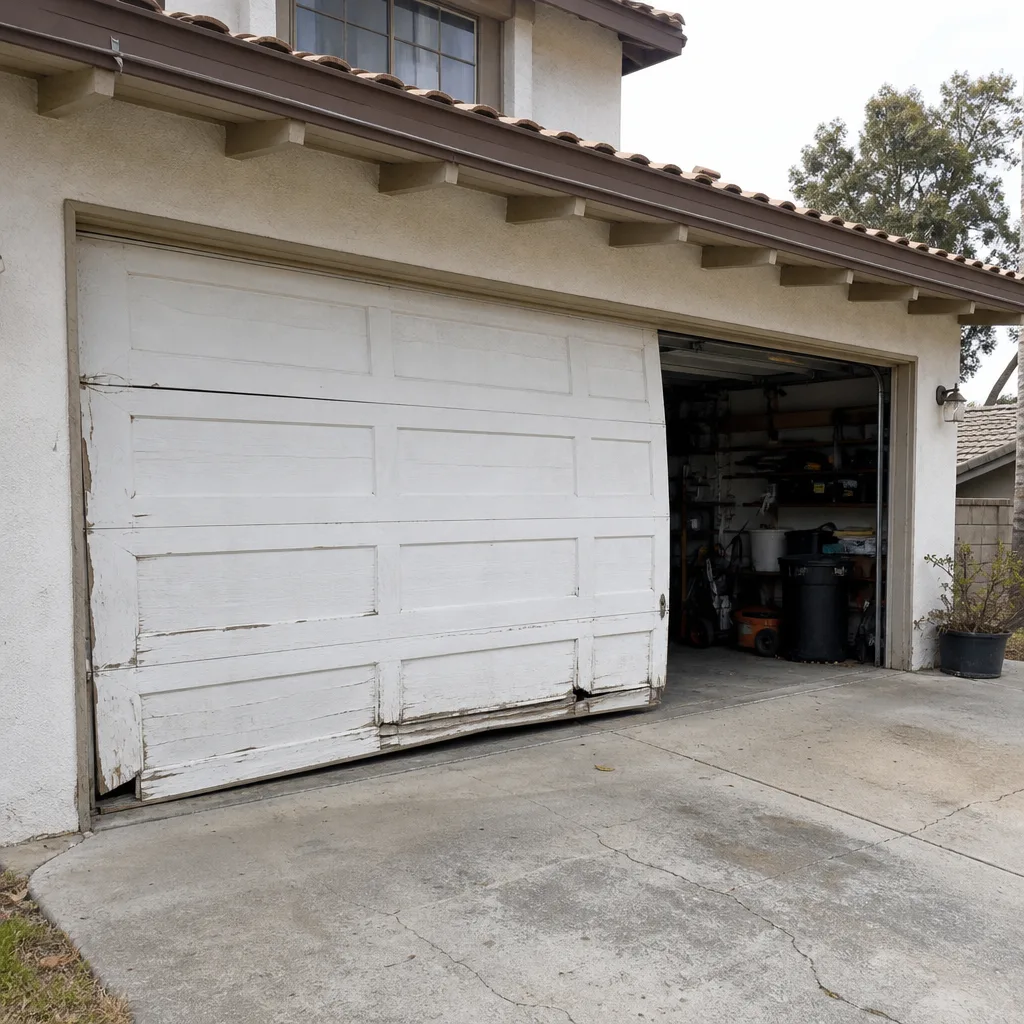 Before
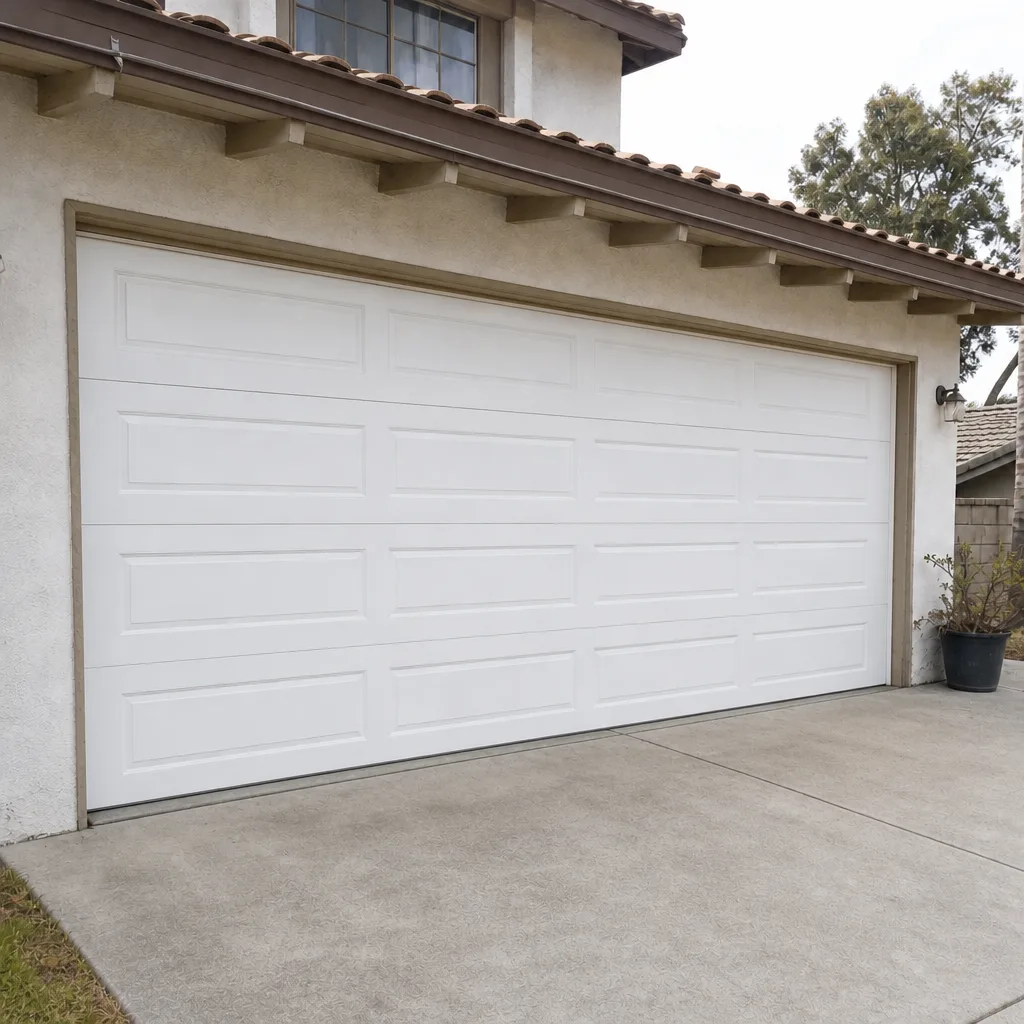 After
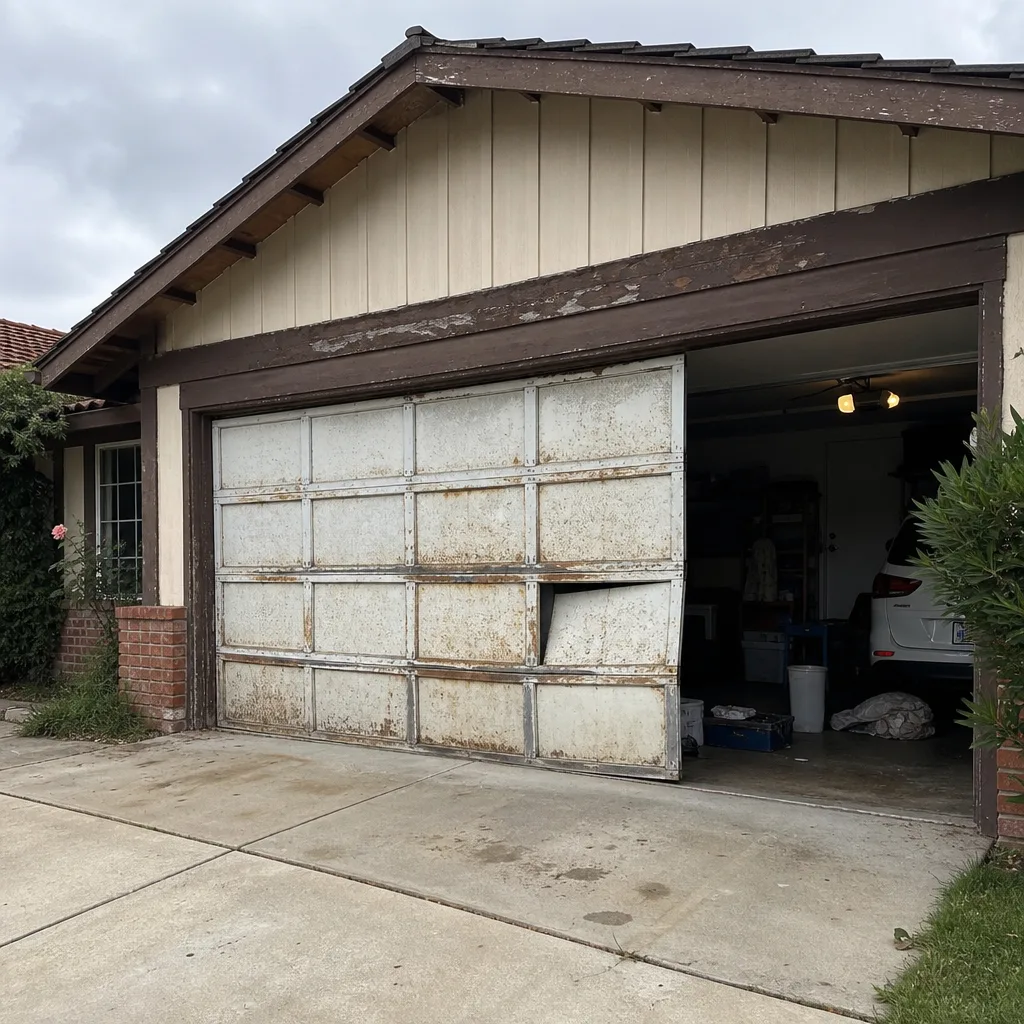 Before
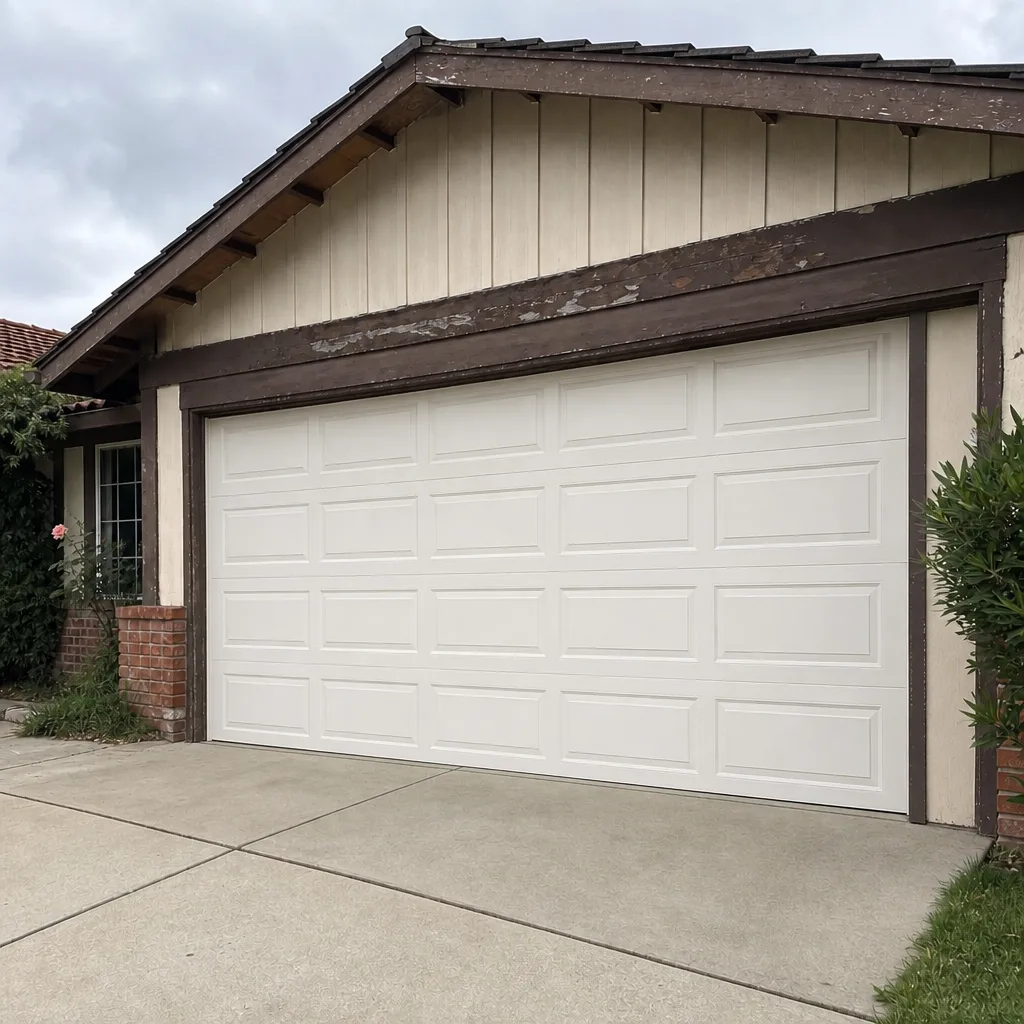 After
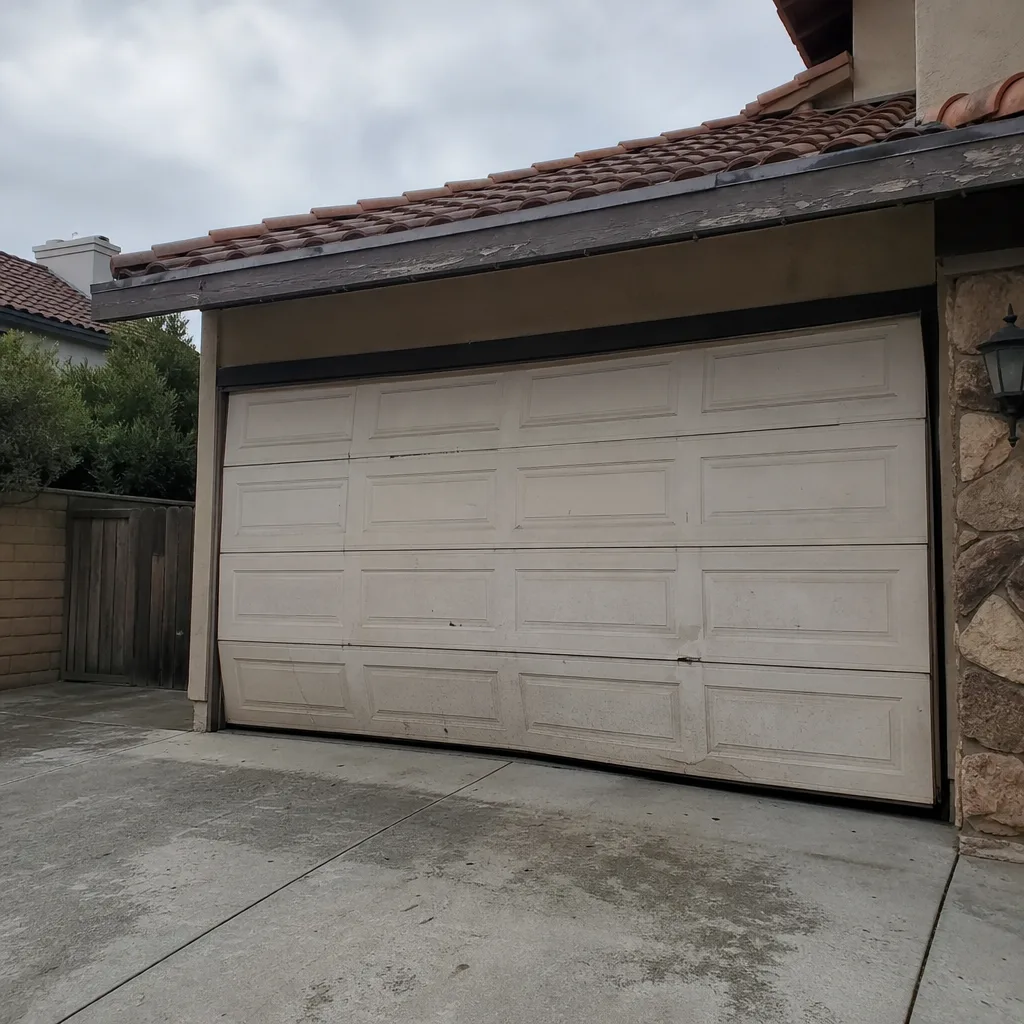 Before
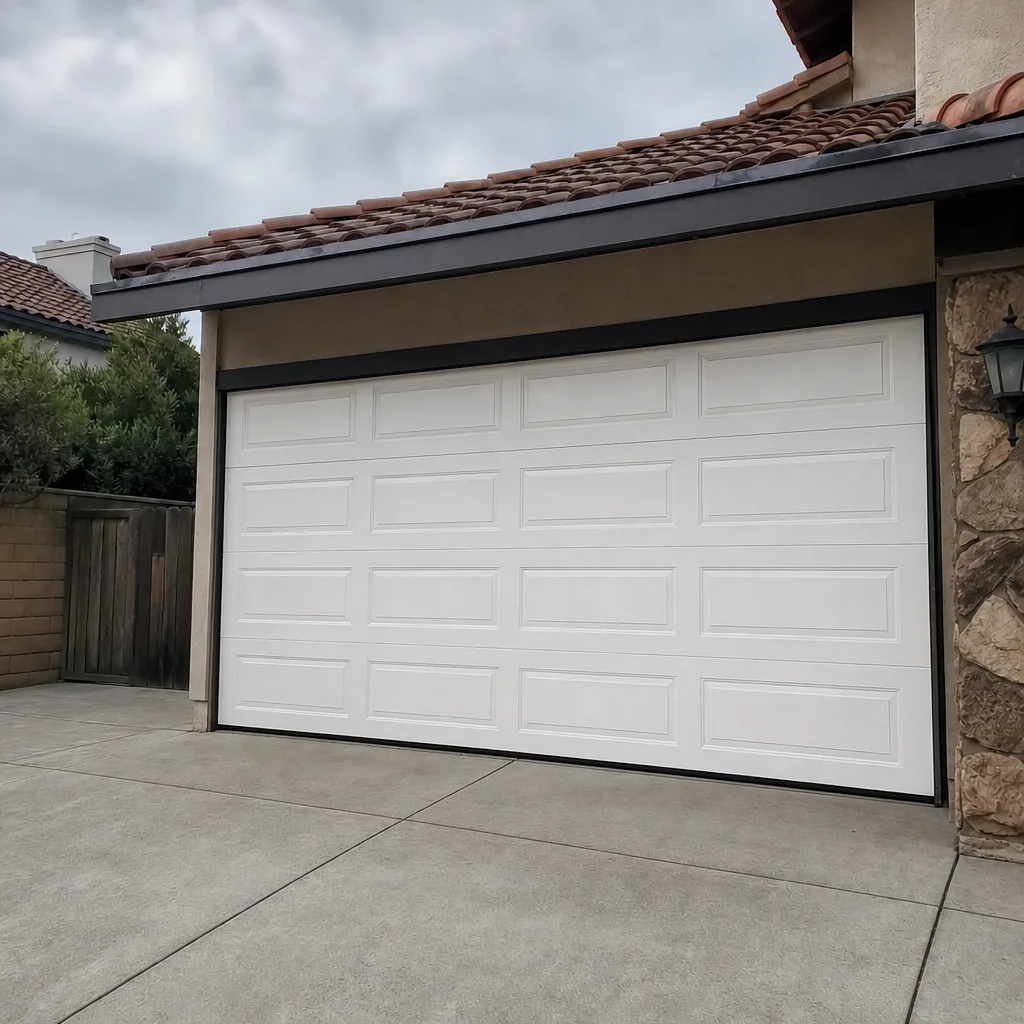 After