
Last updated November 4, 2026
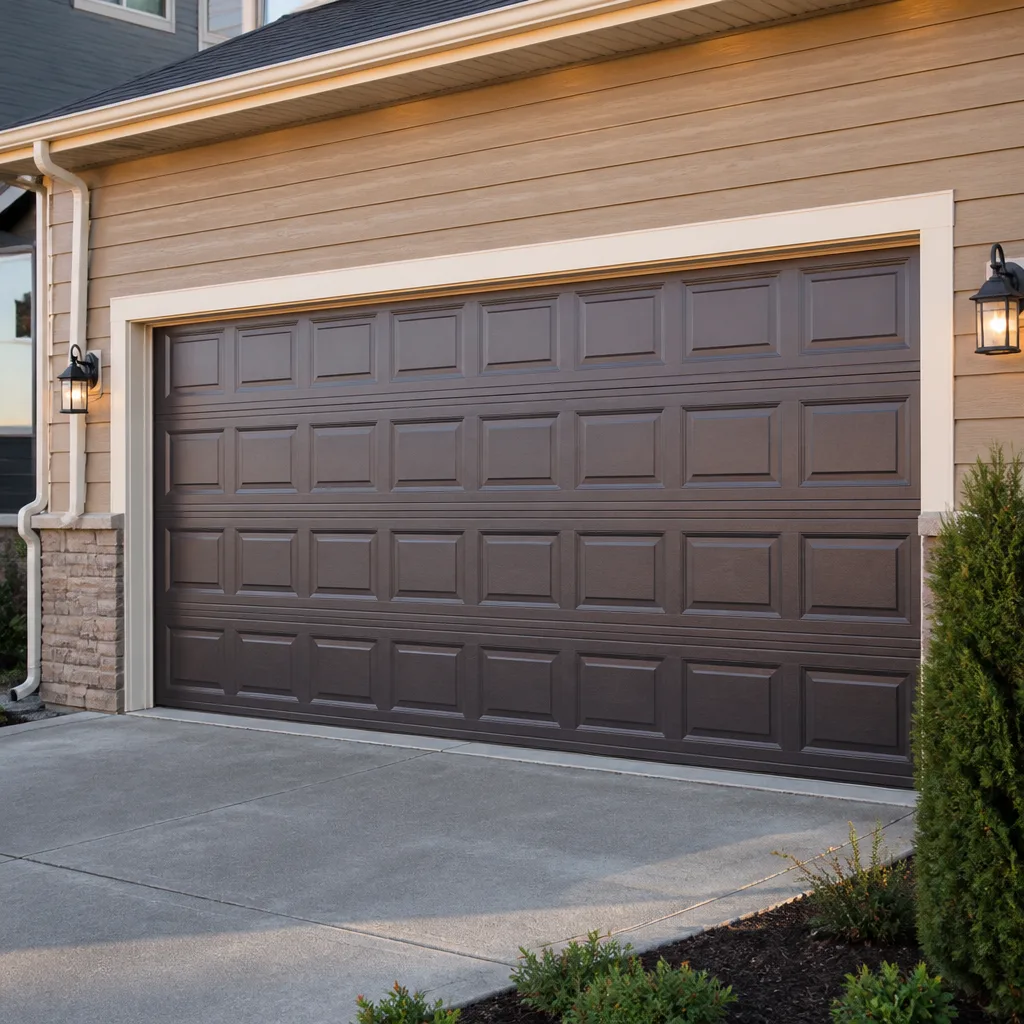 Raised-panel steel
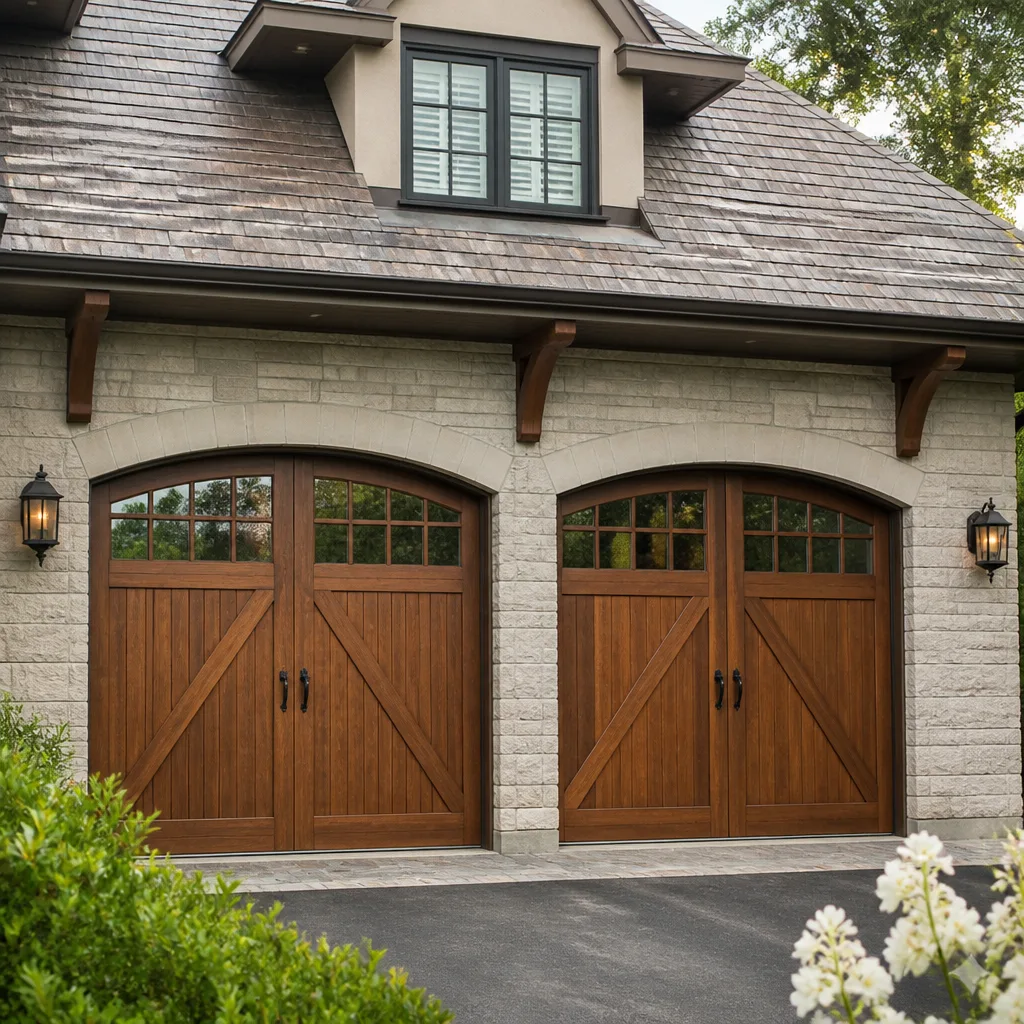 Carriage house
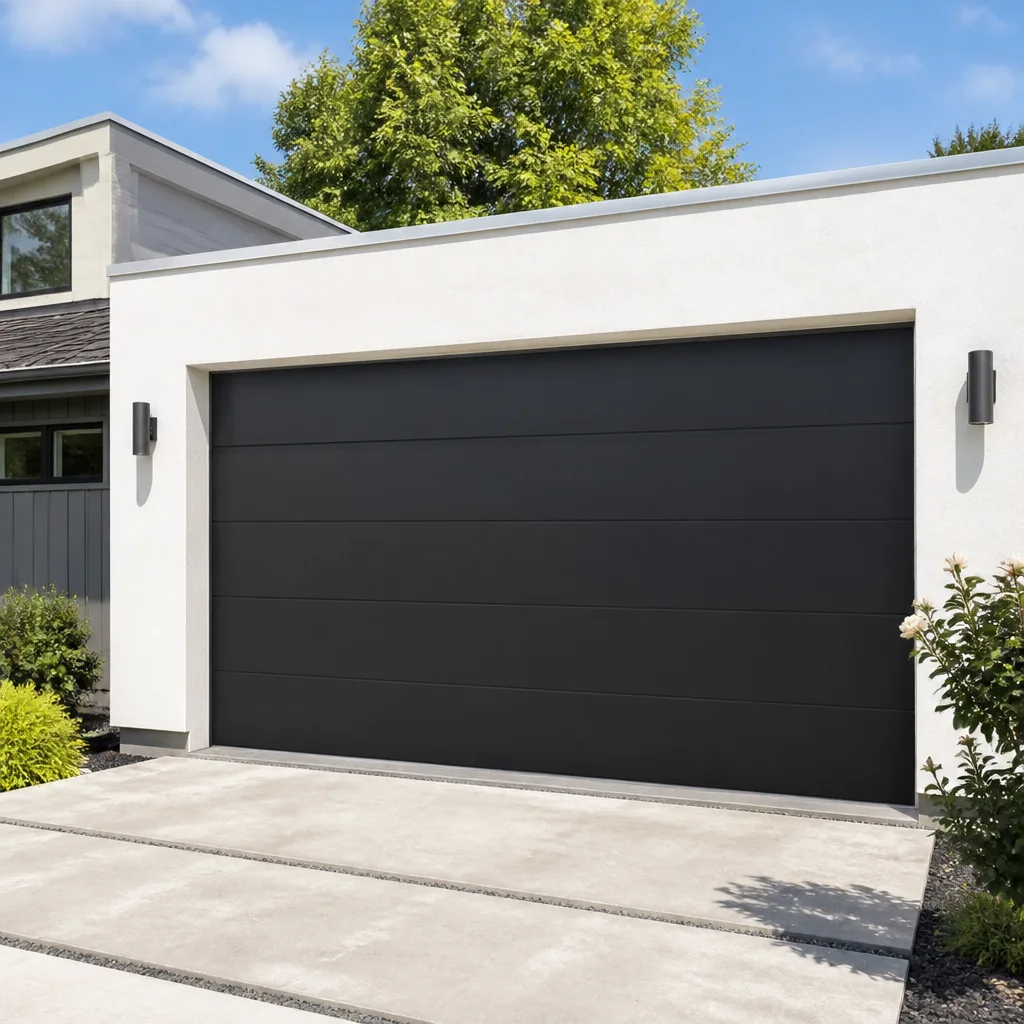 Modern flush
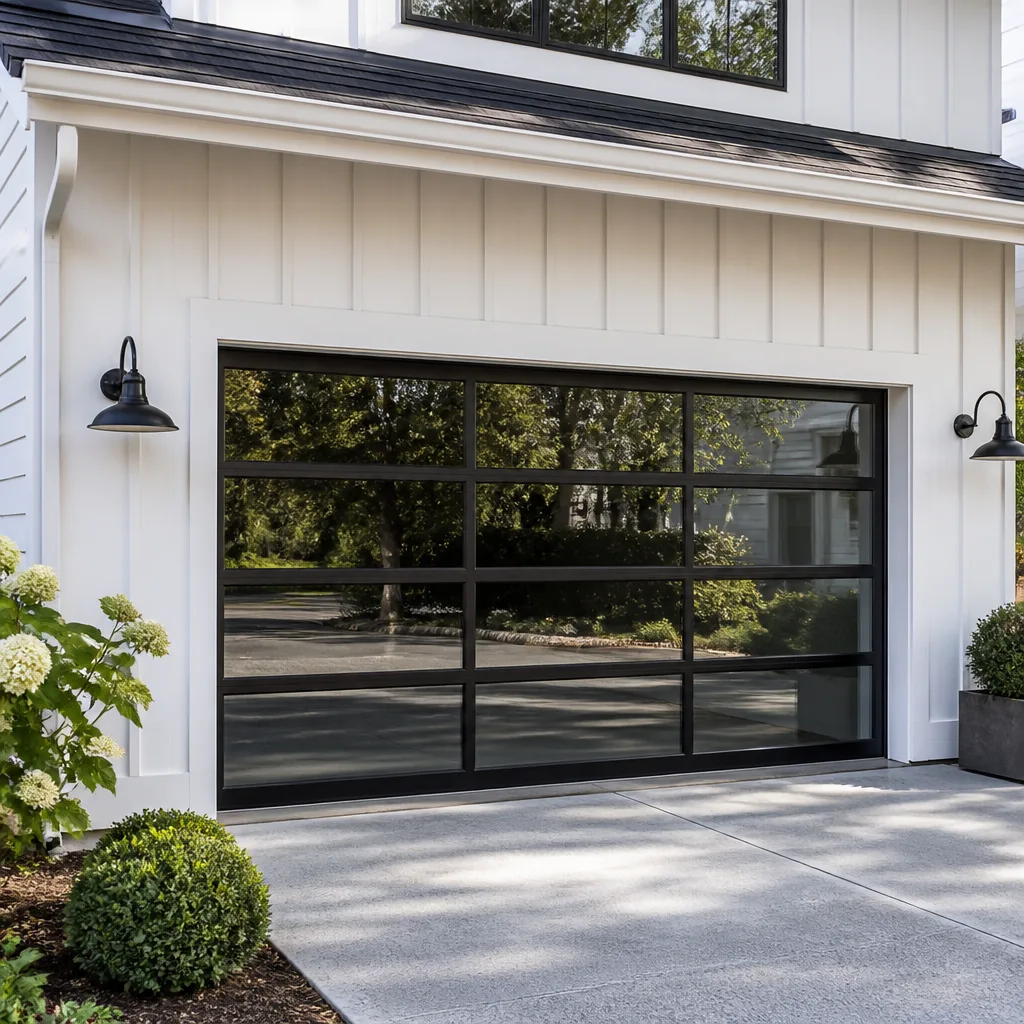 Full-view glass
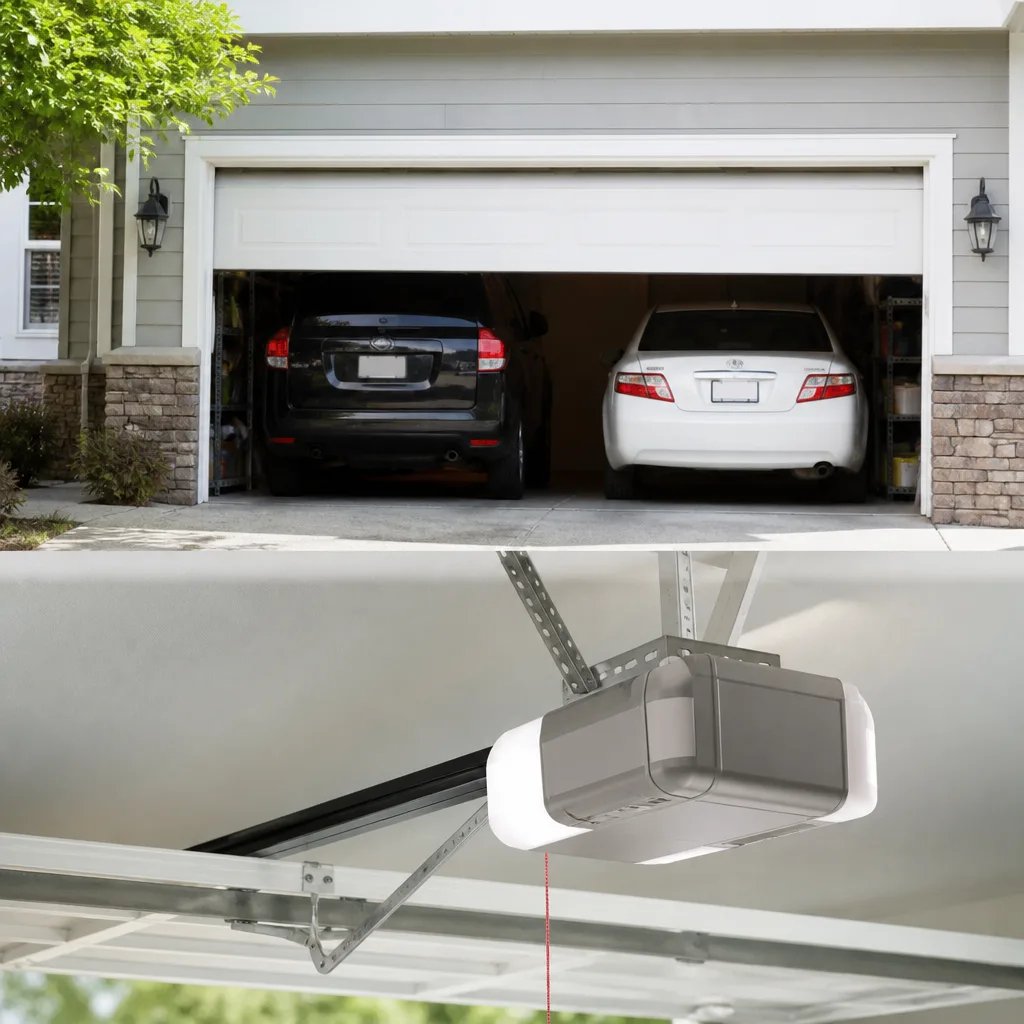 LiftMaster openers
 Chamberlain openers
Full 25-point door and opener safety check with every visit - springs, cables, rollers, tracks, and your LiftMaster or Chamberlain opener included
You get a price before we start. It does not change when the truck arrives.
Get your free estimateGarage Door Permits, Codes & Inspections in Chino Hills, CA: What You Need to Know
A homeowner in Chino Hills who skips a permit on a full garage door replacement may face forced removal during a future home sale. Title companies and buyers’ inspectors are increasingly flagging unpermitted door replacements tied to structural headers, especially when the opening size changed. This guide maps out exactly when Chino Hills requires a permit, what the California Energy Code demands for insulated doors, how inspections work, and the real cost of doing it wrong versus doing it right the first time. We’ll also cover the HOA layer most contractors never mention.
Quick Answer
In Chino Hills, a like-for-like garage door replacement that does not alter the opening, header, or structural framing is typically exempt from a building permit under California Building Code provisions adopted by the city. However, any job that widens the opening, changes the header, adds a door where a wall existed, or involves electrical work for a new opener circuit does require a permit. When in doubt, call the City of Chino Hills Building Division before the first panel comes off. The cost of confirming is zero. The cost of guessing wrong shows up years later at escrow.
Styles & brands we work with
- Raised-panel steel
- Carriage house
- Modern flush
- Full-view glass
- LiftMaster openers
- Chamberlain openers
Table of Contents
- The Actual Permit Threshold in Chino Hills
- Title 24 and Your Garage Door: What Most Contractors Skip
- What a Chino Hills Inspection Actually Checks
- The Real Risk of Unpermitted Work at Escrow
- HOA Approval vs. City Permit: What Comes First
- Chino Hills Building Code Requirements in Plain English
- What Permits Cost and How Long They Take
- Common Mistakes to Avoid
The Actual Permit Threshold in Chino Hills
The line between exempt and permitted work confuses more homeowners than any other part of garage door replacement. The core question is whether the job changes anything structural. A direct swap, same opening, same header, same door type, falls under ordinary repair and maintenance. Chino Hills follows the California Building Code, which treats like-for-like replacement as exempt work. You pull the old panels, hang new ones on the existing track and hardware, and no one at the city needs to sign off.
But the moment the opening changes size, the picture shifts completely. Widening a single-car door to fit a double door means cutting into the wall, re-framing, and installing a new header. That is structural work, full stop. It needs plans, a permit, and an inspection. Even a few inches matters. Cutting ceiling joists to install a high-lift track conversion, the setup that lets a garage door opener repair job turn into a full re-route of the motor, also crosses into structural territory.
So does adding a door where none existed. If you’re enclosing a carport or converting a wall into a new garage opening, that is new construction, not replacement. Permits are not optional for that scope in Chino Hills.
Electrical work has its own trigger. Running a new circuit for an opener, adding an outlet to the ceiling, or hardwiring a side-mount unit from LiftMaster or Genie requires a separate electrical permit in most cases. If you’re just plugging a new opener into an existing outlet, that’s replacement and no electrical permit applies.
When a repair stays a repair, same door, same spring, same opener, same panel, nothing structural changed, no permit needed. That covers the majority of what garage door repair actually involves. A broken spring, a bent track, worn rollers, a damaged panel. Those are maintenance items, and the city does not want to inspect every spring swap. It wants to inspect the things that affect the safety of the structure.
Title 24 and Your Garage Door: What Most Contractors Skip
The California Energy Code, commonly called Title 24, applies to garage doors in a way most installers never raise. The requirement turns on whether your garage is conditioned space. A conditioned garage is one that is heated, cooled, or connected to the home’s HVAC system. If your Chino Hills garage is finished, insulated, and has a mini-split or ducted air, the door becomes part of the building’s thermal envelope. That means the door’s insulation value is regulated.
For conditioned garages, Title 24 sets minimum R-value requirements for the door itself. Here in the inland heat of Chino Hills, where summer afternoons push triple digits and the sun beats directly on east-facing and south-facing garage doors, this matters practically as much as legally. An insulated door keeps a finished garage usable year-round and keeps the load off your cooling system.
For unconditioned garages, the typical case in most Chino Hills homes, Title 24 does not mandate a specific R-value. But buying an insulated door from Clopay or another manufacturer is still worth considering for comfort, noise reduction, and resale appeal. The cost difference is modest. The difference in how the garage feels in August is not.
The practical takeaway: if your garage is conditioned, confirm the door’s R-value meets current California code before ordering. If it’s not conditioned, you have flexibility but should still consider insulation given the local climate. A good installer will ask about your garage’s use and recommend the door that fits without overselling. At Pinecrest Garage Door, we ask that question on every installation estimate because the answer changes the recommendation.
The other Title 24 angle is air leakage. Doors installed on conditioned garages need weatherstripping at the jambs, header, and floor in good condition. This is not a suggestion. It is a code requirement for conditioned space, and a Chino Hills inspector can flag it. Weatherstripping also keeps dust and spiders out of an unconditioned garage, which every Chino Hills homeowner knows is a year-round fight.
What a Chino Hills Inspection Actually Checks
If your project requires a permit, the inspection process is straightforward and usually involves one or two site visits. The first inspection typically happens after the rough structural work is done but before the finish materials cover it. For a garage door project that means the inspector wants to see the header, the king studs, the jack studs, and the anchor points before the trim goes back on.
The inspector is checking that the header is sized correctly for the span. For a standard single-car opening, an engineered or prescriptive header size applies. For a double door, the span grows and so does the required header depth. The inspector is not there to critique your door choice or brand. They are there to confirm the structure will carry the load above it. An undersized header is how garage openings sag over time, and the door starts binding against the frame. You see it as a door that won’t close smoothly. The inspector sees it as a structural deficiency.
A second inspection, if required, happens at the end. For a garage door specific project, the final inspection confirms the door operates safely within the opening, the tracks are secured properly, the springs are tensioned and balanced, and any required weatherstripping is in place. The inspector is checking basic safety. They are not evaluating spring torque, opener force settings, or how well the door balances, that is a technician’s domain. They care that the installation is stable and code-compliant.
For opener-specific work, if an electrical permit was pulled, a separate electrical inspection looks at the circuit, the wiring method, and the outlet. That inspection happens at rough-in and again at final, although for a simple garage outlet the county and city often combine these into one visit.
Plan for the permit office to be methodical, not fast. A simple like-for-like exchange with no permit needs no inspection at all. A structural alteration might add one to two site visits spread across a week or two depending on inspector availability in Chino Hills.
The Real Risk of Unpermitted Work at Escrow
The problem with unpermitted work is not that the city runs sting operations on garages. The problem is that it surfaces later, at the worst possible moment, during a home sale. When a Chino Hills homeowner sells, the buyer’s inspector walks the property. A sharp inspector sees a newer door in an older home and asks the obvious question: has this opening always been this size, or was this changed?
If the seller can’t produce a permit for work that changed the opening or the header, it becomes a disclosure issue. The buyer’s lender may flag it. The title company may require remediation. The sale stalls, the price drops, or the seller pays to retroactively permit work that should have been permitted when it was done. Retroactive permitting is more expensive than doing it right the first time. You pay for opening up the wall to expose the structure, possible engineering review, and the permit fees with penalties on top. A $600 door replacement can become a multi-thousand-dollar escrow problem.
Even without a sale, unpermitted structural work affects your insurance picture. A claim related to the garage, a door that fails and damages a car, a structure that sags and causes drywall cracks, can be complicated by the question of whether the work was legal. Insurers look for reasons to deny claims. An unpermitted structural alteration is a reason.
The quiet version happens with HOAs. If your community requires approval, the HOA can fine you and require you to remove or modify the door. That is not a city permit issue. It is a private covenant issue, and it is enforced aggressively by some Chino Hills HOAs, particularly those with strict architectural guidelines.
The practical rule: if the job changes the opening, the header, or the electrical, pull the permit. The incremental cost and time are small compared to the escrow risk.
HOA Approval vs. City Permit: What Comes First
Chino Hills has a high density of planned communities and homeowners associations. If you live under an HOA, you may face two separate approval tracks. The city permit governs structural and safety compliance. The HOA approval governs appearance, material, color, and sometimes brand restrictions. The two are not substitutes. One does not satisfy the other.
The order matters. HOA approval comes first. The reasons are practical. Your HOA may restrict door materials or require a specific panel style to maintain neighborhood consistency. If you pull a city permit and order a door the HOA later rejects, you have wasted both. If the HOA approves first, you confirm the scope, order the door, and apply for the city permit if the scope requires one.
The timelines differ too. An HOA architectural committee in Chino Hills may meet monthly or require submission by a deadline. If you miss the deadline, you wait a month. The city permit process runs on its own schedule. Planning for both in sequence means starting with the HOA. A competent contractor will ask about your HOA on the first call, because we’ve seen too many Chino Hills homeowners order a door and then discover their community requires a wood-panel look, not steel, or mandates a specific color palette. Amarr and Clopay both make doors that satisfy most HOA requirements, but the selection must happen on the front side, not after delivery.
Some HOAs in Chino Hills keep a pre-approved list of door styles and materials. If yours does, pull that list before shopping. It may save you from designing a door that never gets approved. And if both HOA and city permit apply, the HOA letter must be in hand before the city will issue a permit in some jurisdictions. Confirm that with the Chino Hills Building Division so you’re not surprised.
Chino Hills Building Code Requirements in Plain English
The California Building Code, as adopted by Chino Hills, governs garage door work along with local amendments. You don’t need to read the code chapter by chapter, but you should understand the core requirements that affect your project.
First, structural integrity. Any header installed or modified must meet the prescriptive span or be engineered. That applies to all new or enlarged openings. An engineer stamps the design if the prescriptive path doesn’t fit your situation. The inspector verifies the built work matches the plan.
Second, fire separation. If there is living space above the garage, the door opening has fire-rated requirements tied to the wall assembly. Most attached garages in Chino Hills have a fire separation requirement between the garage and the dwelling unit. The door itself plays a role in that assembly when the garage is attached to the house and shares a wall or ceiling with living space. Confirm the door specified meets the fire-rated requirement if one applies to your configuration.
Third, seismic anchoring. Chino Hills sits in earthquake country. The city follows the California code’s seismic provisions, which affect how garage structures are anchored to the foundation when openings are altered. A new opening changes the shear wall configuration, and the permit drawings must account for that. This is not something a general contractor can skip. It is engineered and inspected.
Fourth, electrical safety. Any new circuit, outlet, or opener wiring must meet the California Electrical Code. A garage door opener typically requires a dedicated receptacle on the ceiling or side wall. GFCI protection applies to garage receptacles in most cases. If your opener is hardwired from a Chamberlain or Genie unit, the circuit must be permitted and inspected.
Fifth, energy compliance. As covered above, Title 24 applies to conditioned garages. If your project touches a conditioned garage, the door’s insulation and air sealing must comply.
For Chino Hills specifically, always verify the local amendment language with the Building Division before starting structural work. Cities adopt model codes with local changes, and what applies in neighboring jurisdictions may differ slightly. The phone call takes ten minutes.
What Permits Cost and How Long They Take
Permit fees in Chino Hills vary by project valuation and scope. The city uses a fee schedule based on the work’s estimated value. A simple structural alteration for a garage door opening might run a few hundred dollars in permit fees. An electrical permit for a new opener circuit adds its own fee, typically smaller than the building permit. Engineering, if required, is separate and billed by the engineer. Plan review fees are usually included or charged separately, so confirm the total with the Building Division.
The timeline is the thing most homeowners undershoot. Plan review for a simple structural alteration may take one to two weeks. More complex projects, or anything requiring an engineer’s review, take longer. Scheduling the inspection adds days depending on the inspector’s availability. A realistic end-to-end timeline for a permitted door opening change in Chino Hills is two to six weeks, including plan prep, submission, review, approval, construction, and inspection.
Compare that to the exemption track. A like-for-like door swap can happen in a single day. The panels come off, the new ones go up, the opener gets tested, and that’s the end of it. That is why the permit threshold matters so much. It separates a one-day project from a multi-week one. If the door is being replaced with the same size and no structural or electrical changes, there’s no permit, no wait, and no inspection.
The written estimate from your contractor should clearly state which track your project falls under. At Pinecrest Garage Door, we make that determination on the first visit and put it in writing. If a permit is required, we tell you before any work starts. If it’s exempt, you don’t pay permit fees you don’t need. The price is quoted and agreed before anything happens, and no invoice arrives later that changes the number. That is how it should work.
Common Mistakes to Avoid
- Widening the opening without a permit. This is the number one issue we see in Chino Hills. Homeowners want a double door where a single door existed. The contractor cuts the wall and installs a header without permits. It works until the sale, then it doesn’t. Permit structural changes.
- Assuming the HOA doesn’t care. Many Chino Hills communities enforce architectural guidelines strictly. A door that meets city code still gets rejected by the HOA if the material or style doesn’t match. Get approval before ordering.
- Skipping insulation on a conditioned garage. If your garage is heated or cooled, Title 24 applies. Installing an uninsulated door on a conditioned garage is a code issue and an energy waste.
- Treating brand as irrelevant to permitting. Brand is irrelevant to permitting, but relevant to how smoothly the project runs. A technician familiar with your existing brand, whether it’s a LiftMaster opener or a Clopay door, completes the work faster and with fewer surprises.
- Paying for the door before checking the permit status. Some homeowners buy a door online and schedule installation, only to discover the opening change needed permits and engineering. Check first, buy second.
- Ignoring the seismic detail. New openings in Chino Hills must account for shear wall changes. A contractor who says otherwise is not current on California code.
- Assuming all contractors handle permits. Not every installer pulls permits for structural work. Ask directly. The answer tells you whether they do it legally or hope no one checks.
When to Call a Professional
Call a professional when the project involves anything beyond a straight swap. If the opening changes size, the header is touched, new electrical is needed, or the garage is conditioned and Title 24 applies, get an expert involved from the first measure. The same applies when an HOA is in play and you need guidance on what will pass architectural review. And when a spring or cable fails, do not attempt that repair yourself. High-tension springs and cables cause serious injury when handled without proper training and tools. That is a job for a trained technician, full stop. Chino Hills homeowners can reach Pinecrest Garage Door for a free estimate by calling (877) 376-0803. We answer 24/7. Fast dispatch from 7am to 7pm, Sunday through Friday.
See the difference
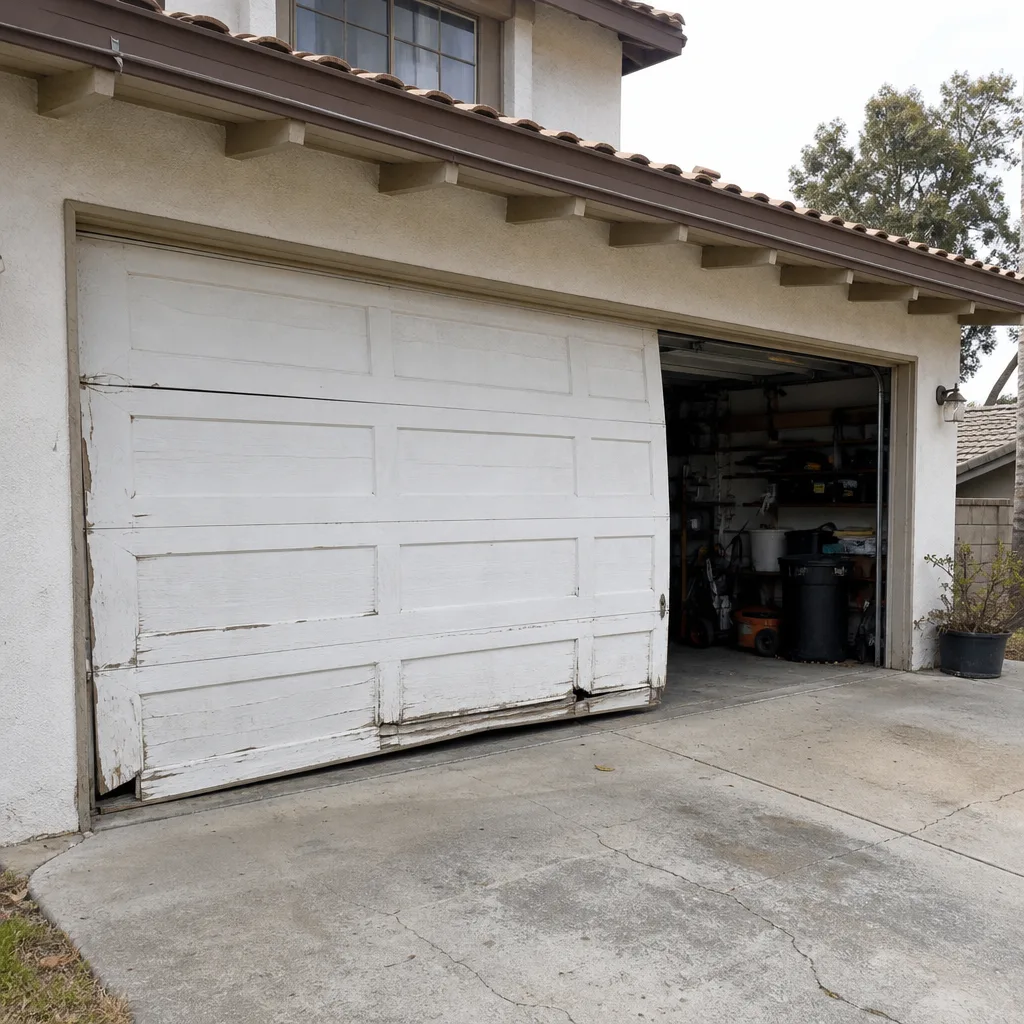 Before
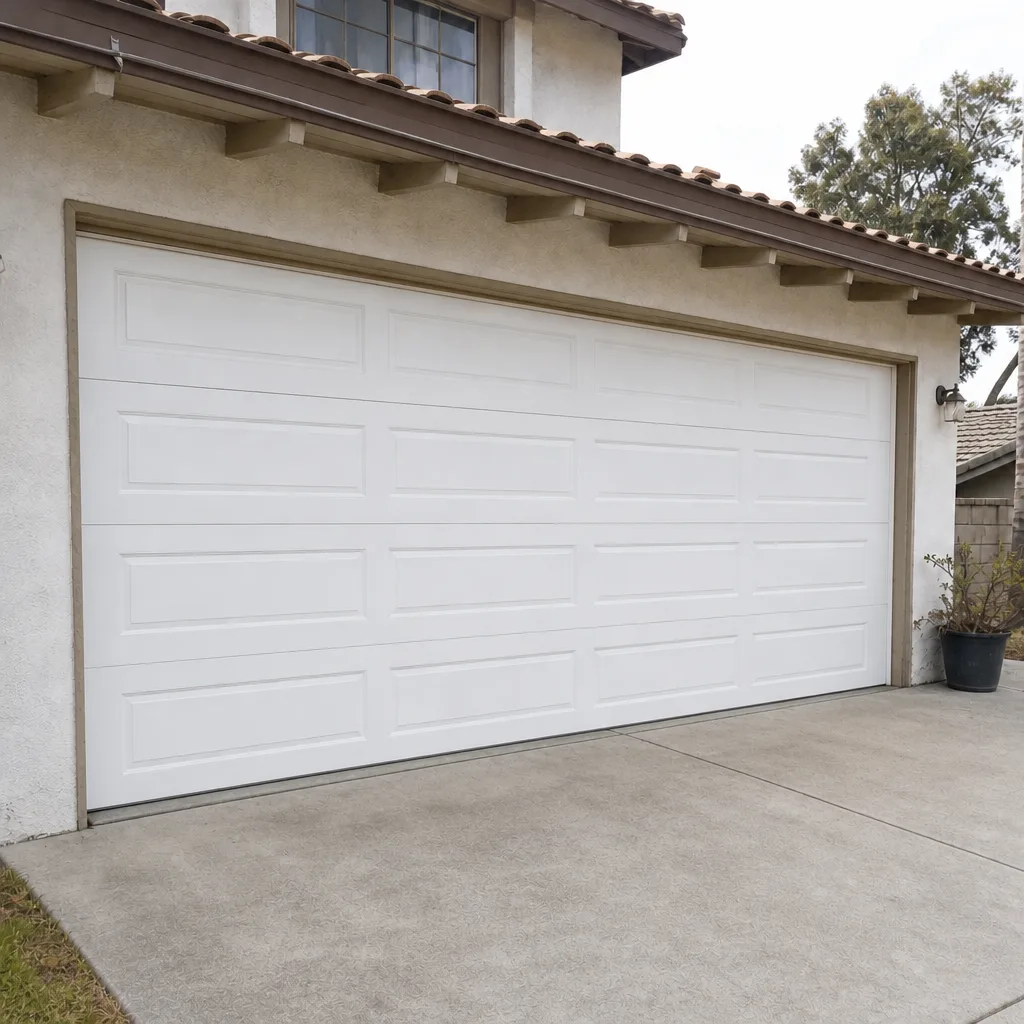 After
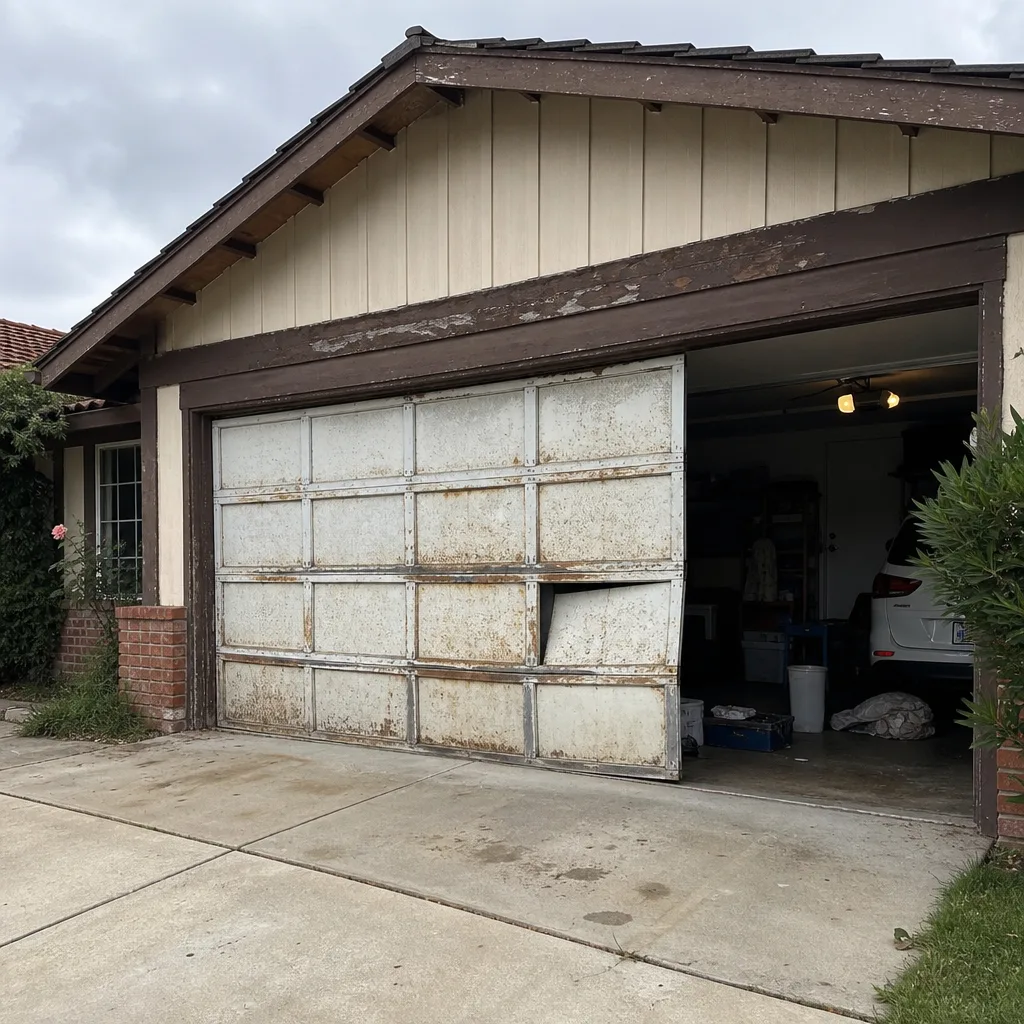 Before
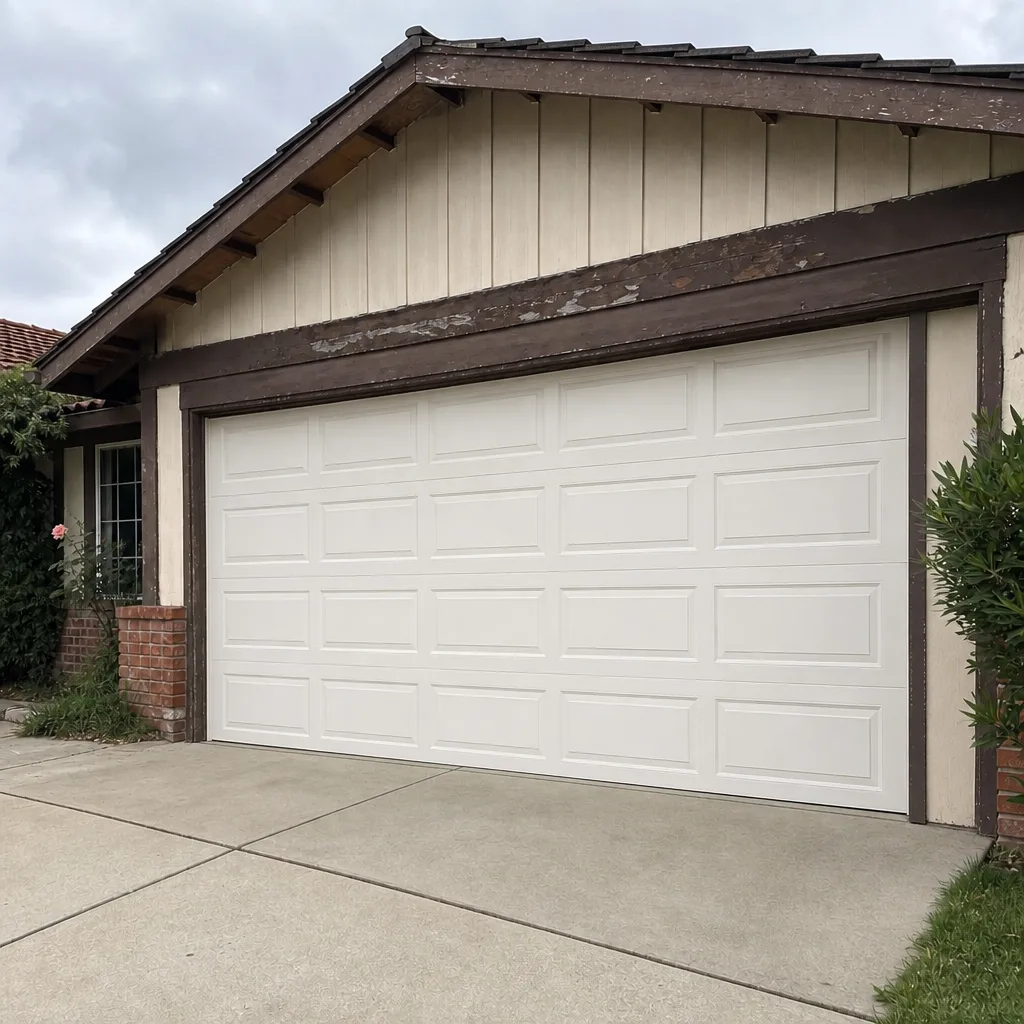 After
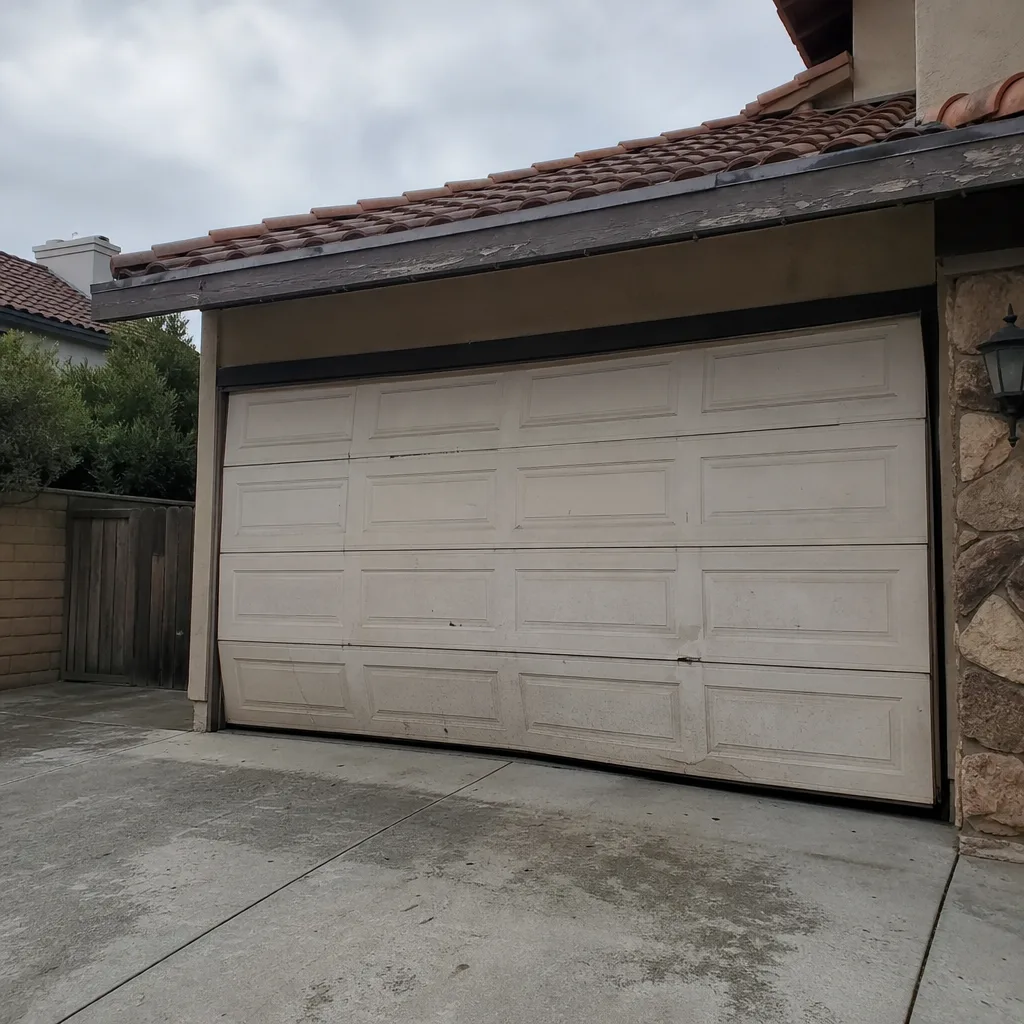 Before
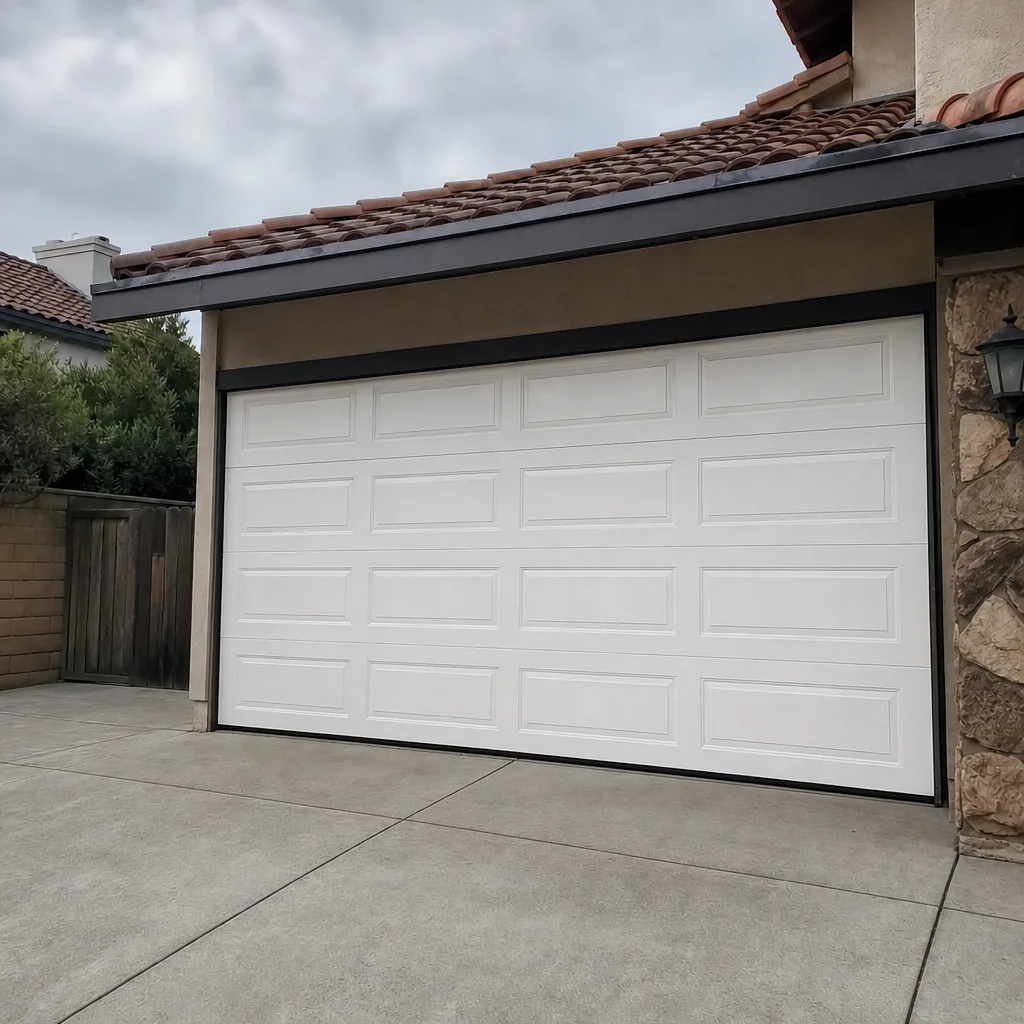 After
Frequently Asked Questions
If the replacement is like-for-like, same opening, same header, same door type, and no new electrical, no permit is required in Chino Hills. If the opening changes size, the header is altered, a new door is cut into a wall, or a new electrical circuit is added, a permit is required. Call (877) 376-0803 for a free estimate and we’ll tell you which track your project falls under.
Replacing an existing opener that plugs into an existing outlet does not require a permit. Running a new electrical circuit or adding an outlet for the opener does require an electrical permit. The distinction is whether new wiring is being installed.
An inspection checks the structural header size, the studs and anchor points, the fire separation if it applies, and the seismic anchoring when the opening is altered. It also confirms the door is installed securely and operates safely, with weatherstripping where conditioned space requires it.
Yes, Title 24 applies when the garage is conditioned space, meaning heated or cooled. For conditioned garages, the door must meet minimum insulation requirements and must be sealed against air leakage. For unconditioned garages, Title 24 does not mandate a specific R-value, but insulation still makes sense in the Chino Hills heat.
For a simple structural alteration, plan for two to six weeks end to end, including plan review, approval, construction, and inspection. Like-for-like replacements with no permit take a single day. The written estimate will tell you which timeline applies to your project.
Yes. An HOA approval is separate from a city permit and may be required even when the work is exempt from a city permit. HOA approval should come first, because the HOA may restrict door style, material, or color in ways that affect what you order.
The Bottom Line
The permit question in Chino Hills is not complicated once you see the line clearly. Like-for-like replacement stays exempt. Structural change, new openings, header work, and new electrical circuits require permits. Title 24 adds an insulation layer for conditioned garages, and HOA approval runs on a separate track that comes first. Unpermitted structural work is not an abstract risk. It surfaces at escrow, it costs more to remediate, and it can derail a sale. The fix is simple: know which category your project falls into before any work begins. Free estimates are the cheapest insurance against getting it wrong.
Written by the team at Pinecrest Garage Door, serving Chino Hills since 2018.